



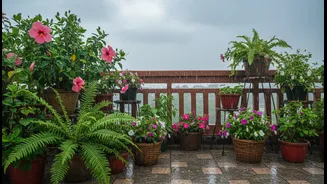



Why Monsoon Is Prime Time for Planting
After the intense summer heat, the monsoon season is a welcome relief for both people and plants. The consistent moisture and lower temperatures create ideal conditions for seed germination and rapid growth. The increased humidity in the air is particularly
beneficial for tropical plants, helping them flourish. This period is perfect for everything from vibrant flowers that love the rain to a host of delicious vegetables for your kitchen. It’s also an excellent time for propagation, as cuttings are more likely to develop roots in the damp environment.
The Perfect Monsoon Plant Roster
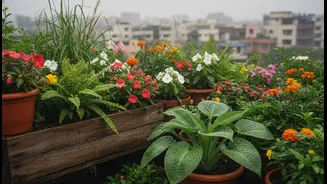
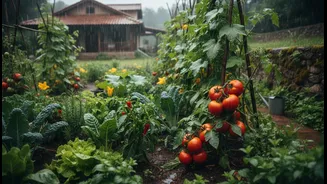
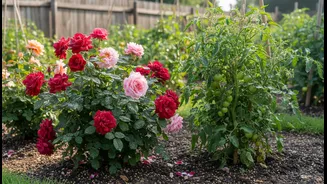
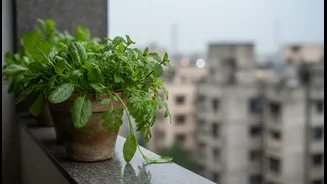
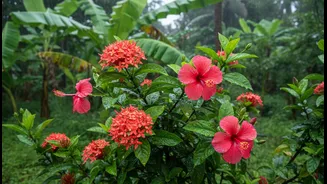
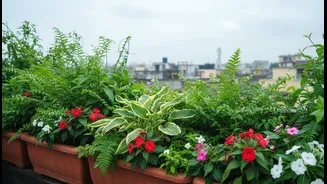
Choosing the right plants is key to a successful monsoon garden. For your vegetable patch, consider fast-growing options like okra (bhindi), cucumber, beans, radish, and various gourds like lauki (bottle gourd) and turai (ridge gourd). Many leafy greens such as spinach (palak) and amaranth (chaulai) also do exceptionally well. If you're looking to add a splash of colour, flowers like hibiscus, marigold, balsam, zinnia, and jasmine thrive in the rainy season. For those with balconies, compact plants like chillies and cherry tomatoes are great choices, as are fragrant herbs like mint and coriander which love the moist conditions.
Prepping Your Soil and Pots
The biggest challenge during the monsoon is waterlogging, which can suffocate roots and lead to rot. To prevent this, ensure your soil is well-draining. A good potting mix can be made by combining regular garden soil with compost and a material that improves aeration, like sand or cocopeat. Before planting, it's wise to clear away old weeds and loosen the soil. For container gardening, make sure every pot has adequate drainage holes. You can even elevate your pots on bricks or stands to help excess water drain away freely.
Navigating Common Challenges
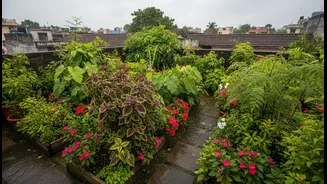
The damp and humid weather is a breeding ground for pests like snails, slugs, and aphids, as well as fungal diseases. Regular inspection is your best defence. Check your plants frequently for any signs of infestation. Using organic solutions like a neem oil spray can help manage pests effectively. To prevent fungal growth, ensure there is good air circulation between your plants by pruning excess foliage and avoiding overcrowding. Also, remember to water only when the top inch of the soil feels dry; the rain might be doing most of the work for you.
Essential Monsoon Care
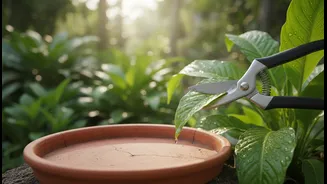
A little care goes a long way. Heavy rains can wash away nutrients from the soil, so it's a good idea to supplement with organic fertilisers like vermicompost or compost tea every few weeks. Tall or vining plants, such as tomatoes and gourds, will need support from stakes or trellises to protect them from strong winds and keep their fruit off the wet ground. Pruning is also crucial; trimming dead or yellowing leaves and spent flowers encourages new growth and helps maintain plant health. Finally, regularly removing weeds is vital, as they compete with your plants for nutrients, water, and sunlight.