





More Than Just 'Gunpowder'
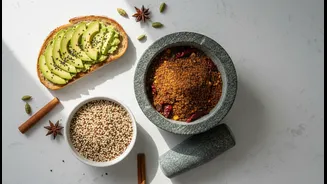
For the uninitiated, ‘podi’ (meaning ‘powder’ in several South Indian languages) is a coarse, dry spice blend that is a staple in homes across South India. Often called ‘gunpowder’ for its explosive flavour, it’s traditionally a mix of roasted lentils,
seeds, dried chillies, and other spices. Far from being a single recipe, each family and region has its own version, from the lentil-based milagai podi of Tamil Nadu to nutty peanut or fragrant curry leaf variations. For generations, its primary role has been to accompany tiffin staples like idli and dosa, mixed with ghee or sesame oil to create a deeply satisfying dip. It is, as many will tell you, not just a condiment but an emotion—a taste of home and comfort.
From Tiffin Tables to Pizzeria Menus
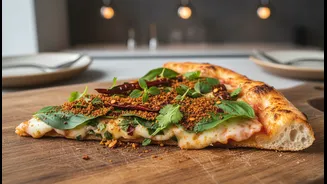
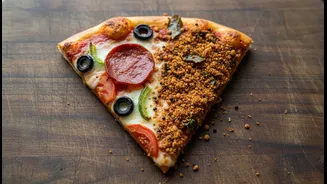
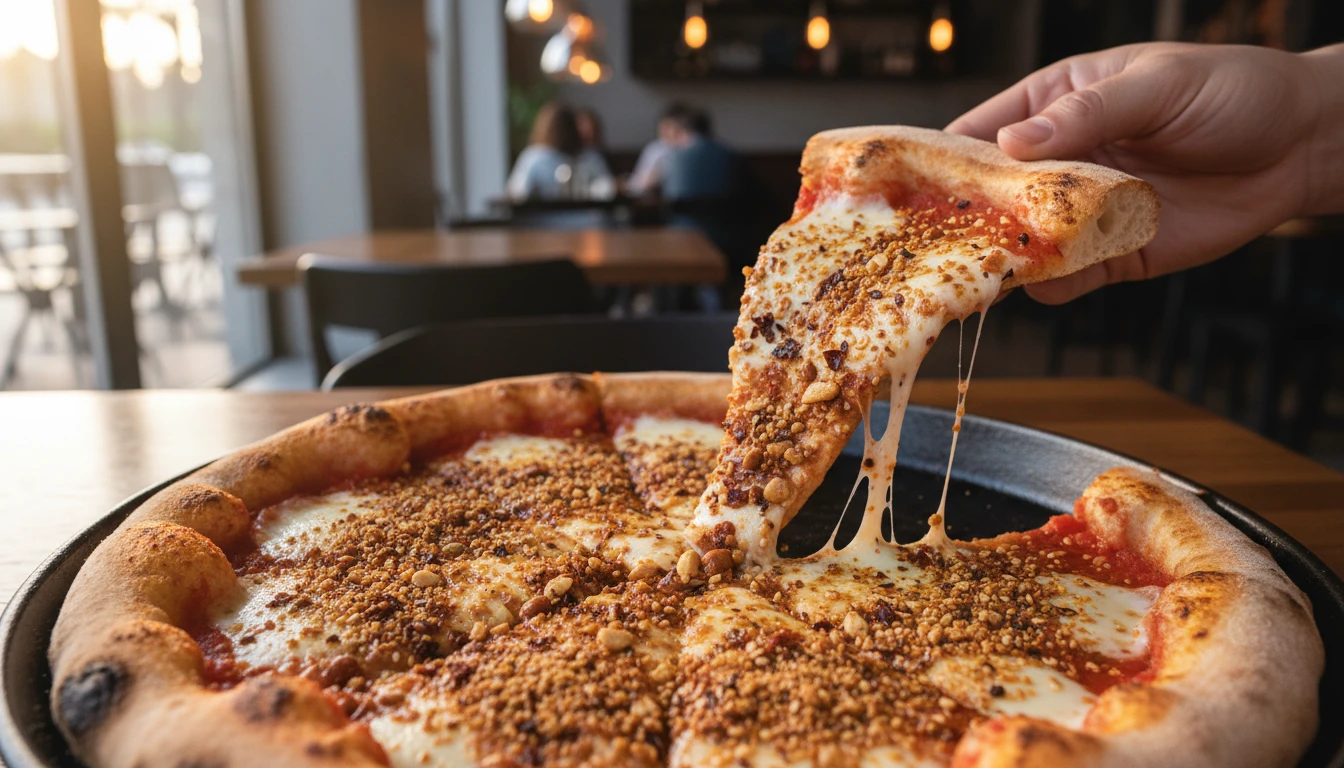
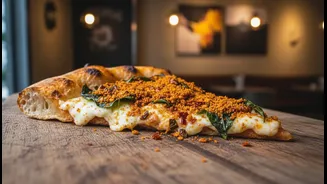
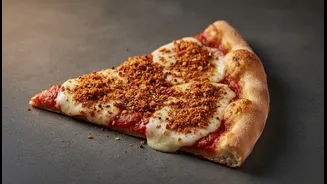
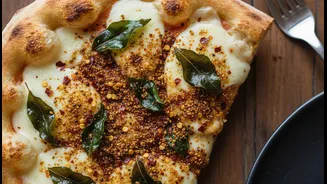
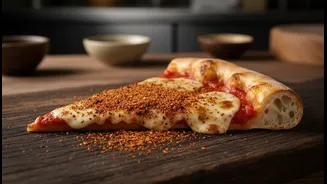
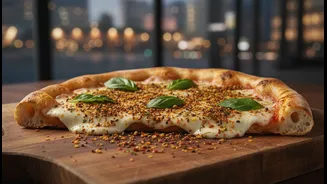
The leap from a traditional idli plate to a pizza box is a significant one, yet it’s a journey that is happening in urban culinary hotspots like Bengaluru, Mumbai, and Chennai. Restaurants are now boldly topping wood-fired crusts with everything from Guntur chilli and fried curry leaves to generous dustings of milagai podi served with a side of ghee instead of oregano. This isn't just a fringe experiment; major food hubs are seeing a rise in 'desi pizzas', where paneer tikka and butter chicken are making way for even more specific regional flavours. Establishments like PIJJA in Bengaluru and Gourami in Mumbai are building entire menus around this successful blend of Italian format and distinctly Indian, even hyper-regional, tastes.
Why Traditionalists Aren't Complaining
One might expect culinary purists to dismiss podi on pizza as an affront to tradition—another case of unnecessary fusion. However, the opposite seems to be true. The validation from traditional spice lovers stems from a place of cultural confidence. Indian cuisine has always evolved, absorbing influences from Mughals to the Portuguese. Putting podi on pizza isn't seen as diluting an Indian flavour; it's seen as elevating a global format with a beloved Indian one. It's a sign that Indian flavours are not just ingredients to be assimilated into Western dishes but are powerful enough to define the dish itself. This trend is less about gimmickry and more about a creative, modern expression of a familiar and cherished taste.
A Reflection of a New India
The popularity of this trend is driven by a new generation of Indian diners, particularly millennials and Gen Z in urban areas. This demographic is globally exposed but deeply connected to their roots. They crave international experiences and formats like pizza but want flavours that resonate with their own palate and heritage. The podi pizza is a perfect metaphor for this new identity: comfortably global, but unapologetically Indian. It reflects a shift away from the idea that Western food is inherently more aspirational. Instead, it’s about taking a global canvas and painting it with local colours, celebrating regional tastes on the world stage.
A Flavour Bomb That Just Works
Beyond the cultural significance, the trend endures because, on a gastronomic level, it works beautifully. The modern pizzeria provides a perfect, almost neutral, canvas of carbohydrates and cheese. The rich, savoury umami of mozzarella, the slight acidity of the tomato base, and the chewy crust create an ideal backdrop for the complex, aromatic, and spicy notes of podi. Michelin-starred chef Garima Arora has called podi a “flavor bomb,” and its application on pizza demonstrates this perfectly. The nutty, spicy, and sometimes sweet notes of the powder cut through the richness of the cheese, creating a balanced and utterly addictive slice that is both new and comfortingly familiar.