

What is Astro-Tourism?
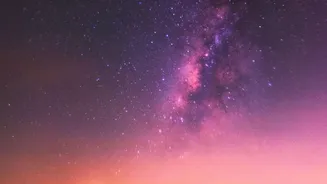
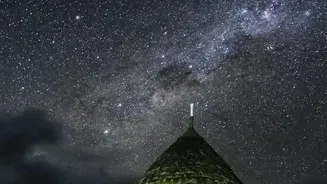
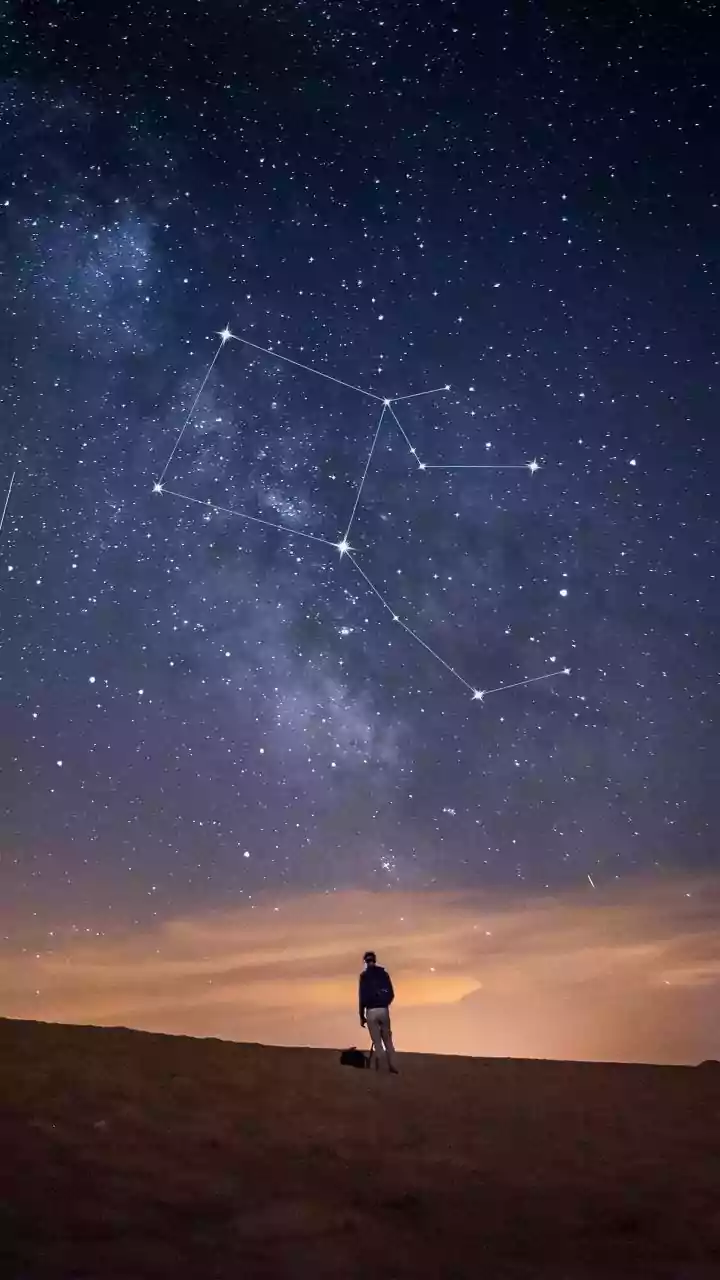
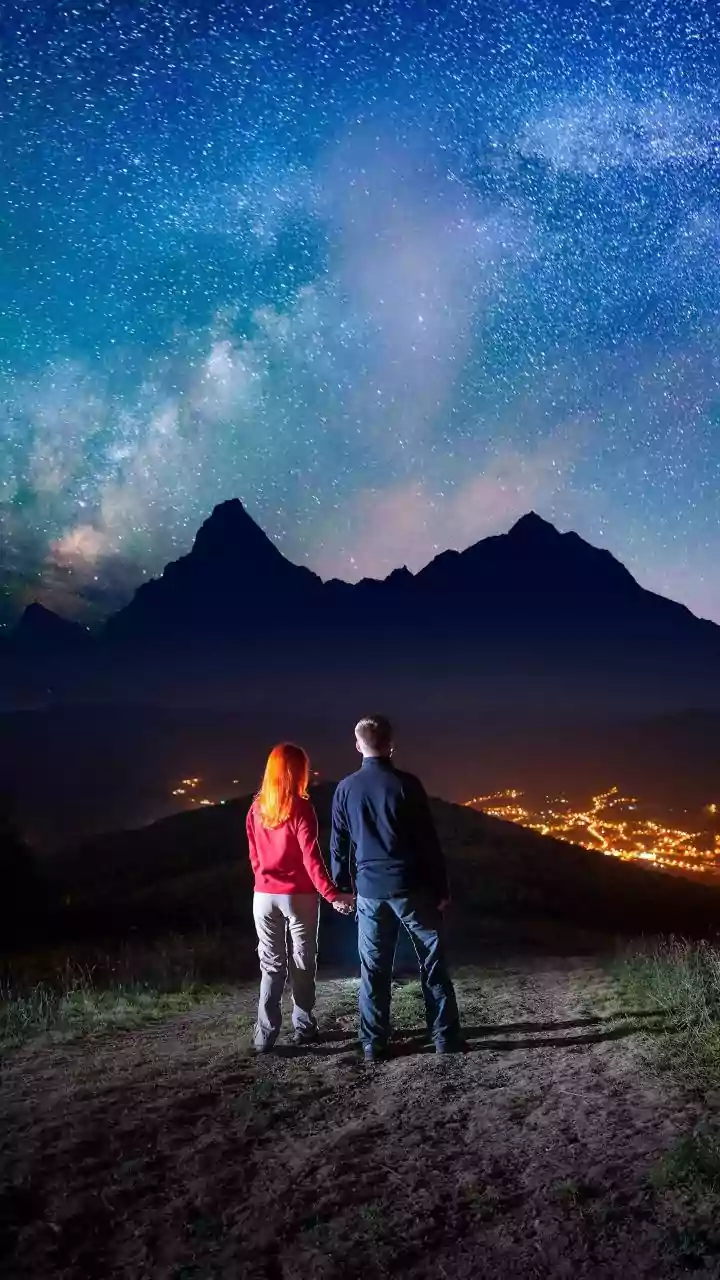
Imagine a night sky so clear that the Milky Way appears like a brilliant, painted stroke, and thousands of stars are visible to the naked eye. This is the simple, yet profound, promise of astro-tourism, or dark sky tourism. It involves travelling to remote
locations, far from the light pollution of urban centres, to experience the night sky in its full, unobscured glory. As artificial brightness increasingly blankets our cities, these pockets of pristine darkness are becoming precious natural resources. The trend is growing globally, and India is now carving out its own celestial map, identifying and protecting areas where the cosmos can be seen and celebrated. It is a form of tourism that combines science, conservation, and a deep sense of wonder.
Udmal Village: A New Star on the Map
Nestled in the Surgana taluka of Nashik district, the tribal village of Udmal is poised to become a landmark destination. Its remote location, naturally shielded from significant light pollution, makes it an ideal candidate for what is known as a 'Dark Sky Community'. This initiative is part of a broader push by the Maharashtra government, which has identified 11 sites across the state to develop for astro-tourism under its 'Vikasit Maharashtra 2047' vision. Udmal's selection is particularly significant, as it aims to become India's first internationally recognised Dark Sky Community, a designation that focuses on community-led efforts to preserve the night through responsible lighting policies and public education.
A Community-Led Conservation Model
What makes the Udmal project unique is its grassroots foundation. This isn't a top-down tourism project; it began with the community itself. The Udhamal Gram Sabha passed a formal resolution to conserve the village's dark skies, a move that empowers the local tribal population to take ownership of the initiative. The goal is to create sustainable livelihood opportunities that are in harmony with the local culture and environment. The district administration has sanctioned over ₹42 lakh to support the project, which will fund the assessment of sky quality, the installation of environment-friendly lighting, and training for local youth. This community-centric approach ensures that the benefits of tourism are shared, turning the natural asset of darkness into a source of economic empowerment.
What Visitors Can Expect
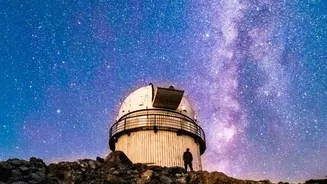
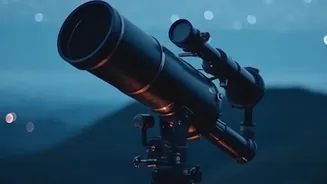
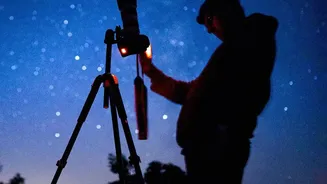
For visitors, Udmal promises an immersive astronomical experience. On clear, moonless nights, the darkness allows for breathtaking views of constellations, planets, and the sprawling band of the Milky Way. The initiative plans to offer curated activities such as guided stargazing sessions with telescopes, night-sky photography workshops, and educational programmes about celestial events like meteor showers. The region's connection to the history of Indian astronomy, including the legacy of the 12th-century astronomer Bhaskaracharya, adds a layer of cultural depth to the experience, going beyond simple observation. It’s a chance to disconnect from digital screens and reconnect with the universe in a setting that feels truly untouched.
India's Growing Celestial Ambition
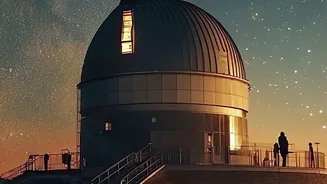
Udmal is a key part of a larger national trend. It follows in the footsteps of areas like the Pench Tiger Reserve, which became India's first Dark Sky Park, and the Hanle Dark Sky Reserve in Ladakh. However, Udmal's focus as a 'community' rather than a 'park' or 'reserve' sets a new precedent, emphasising the role of a living settlement in conservation. The Maharashtra government's policy aims to create a network of such destinations, including the Lonar Crater, Bhandardara, and coastal areas like Harihareshwar, each offering a unique window to the cosmos. This strategic push not only diversifies India's tourism offerings but also promotes scientific temperament and environmental awareness.