



The Search for Stillness
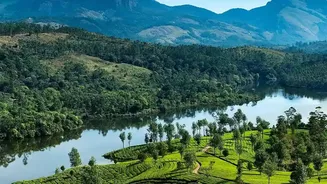
In an always-on world, the demand for holidays that offer a genuine reset is surging. This has fuelled the rise of wellness tourism, a sector in India expected to see significant growth. Travellers are increasingly swapping crowded cities for serene retreats
focused on Ayurveda, yoga, and meditation. This isn't just about a spa treatment; it's a purposeful journey to work on stress, sleep, and overall health. Destinations across states like Kerala and Uttarakhand are becoming hubs for this new form of travel, where the goal is to return home healthier and more centred than when you left.
A Walk on the Wild Side
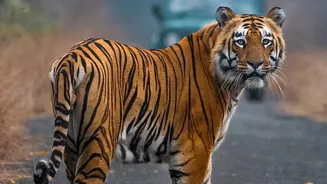
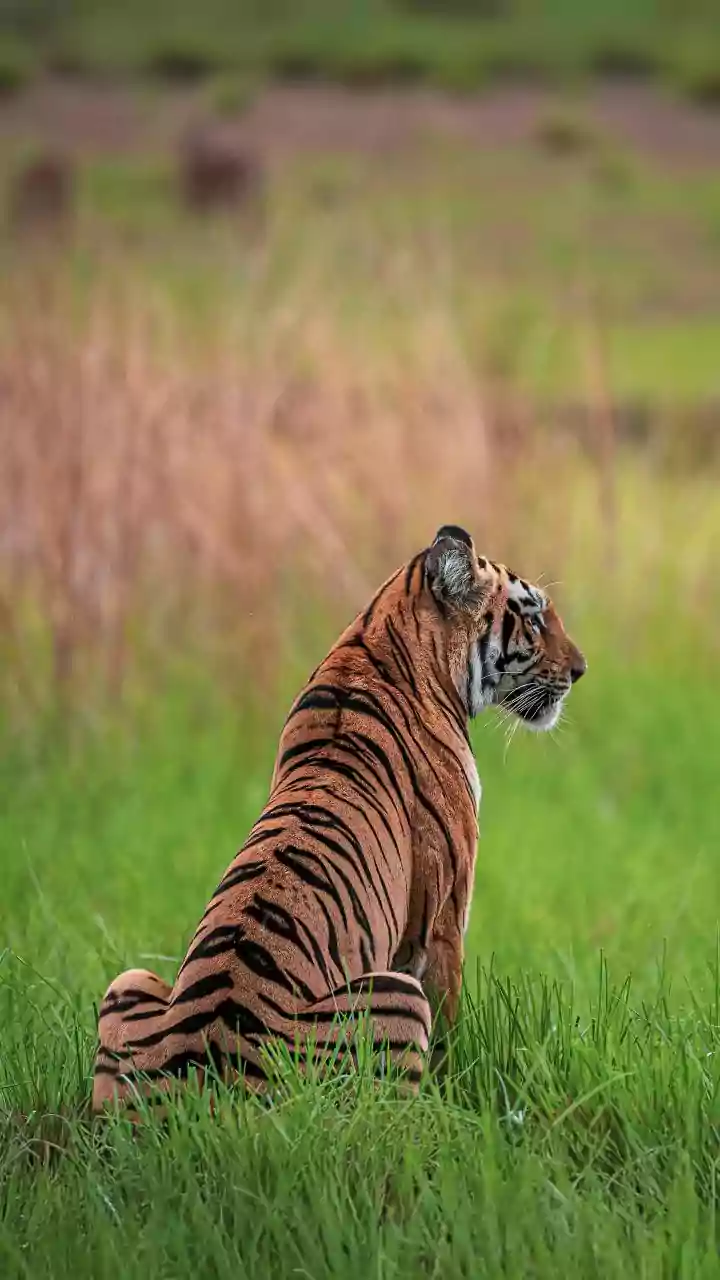
India's incredible biodiversity is claiming a larger share of the tourism pie. While tiger safaris remain popular, interest is expanding to lesser-known national parks and sanctuaries in places like Satpura and the Northeast. The wildlife tourism market is projected to grow substantially, driven by a rising interest in conservation and authentic nature encounters. Travellers are moving beyond a simple 'sighting' to more immersive journeys, often led by naturalists who offer deeper insights into the ecosystem. This has spurred the growth of eco-friendly lodges that provide a profound connection to nature with minimal environmental impact.
A Modern Pilgrimage
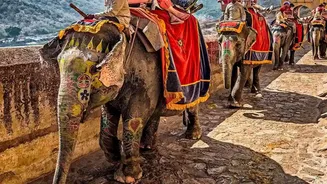
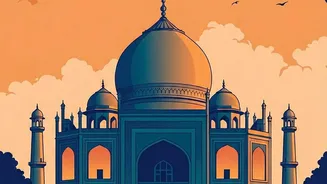
Spiritual travel has always been a cornerstone of Indian culture, but it's now being reimagined for the modern traveller. Government initiatives like the PRASAD and Swadesh Darshan schemes are actively developing theme-based pilgrimage circuits, complete with better infrastructure, to enrich the experience. Improved road and rail connectivity, such as new expressways and dedicated train routes, are making these journeys more accessible. As a result, destinations are attracting visitors year-round, not just during specific religious periods. For many, these trips are less about religious obligation and more about a personal search for meaning and connection.
The Call of the Outdoors
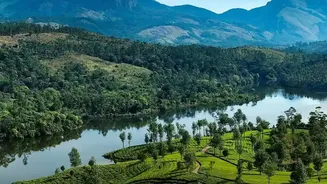
Beyond organised safaris, there is a growing appetite for unstructured time in nature. This broad category, often called eco-tourism or nature tourism, includes everything from trekking and bird-watching to farm stays and rural homestays. The eco-tourism market in India is projected to reach USD 4.55 billion by 2027. This trend reflects a desire to disconnect from urban life and engage with the environment in a sustainable way. States like Kerala and Sikkim have developed successful eco-tourism models that empower local communities by creating jobs for guides and promoting local handicrafts and cuisine.
Why the Big Shift?
Several factors are driving this evolution in Indian travel. A key driver is the rise of experiential travel, a market projected to be worth USD 45 billion by 2027, largely powered by younger travellers aged 18-35. This demographic increasingly prioritises meaningful experiences over material possessions. Improved connectivity is also a major factor, with new expressways and regional airports turning standalone destinations into interconnected circuits. The post-pandemic landscape has amplified a collective desire for open spaces, wellness, and more purposeful, slower forms of travel that offer a deeper connection to the destination.