



The Webb Effect: A New Window to Wonder
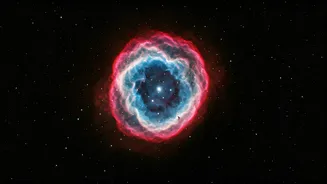
Much of this renewed fascination can be traced back to a single, extraordinary source: the James Webb Space Telescope (JWST). Since delivering its first images in 2022, the telescope has become a content machine for the cosmos, producing breathtaking,
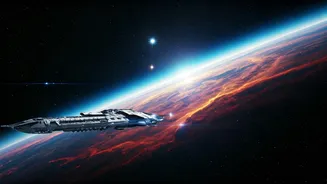
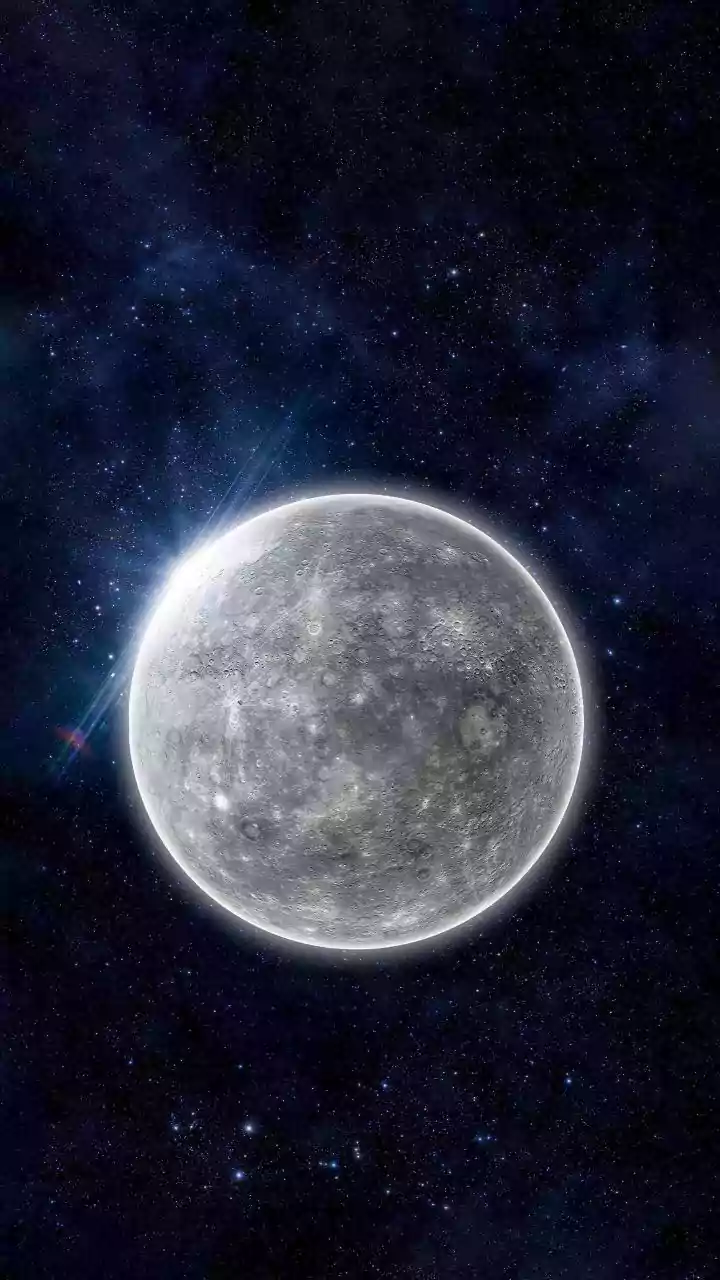
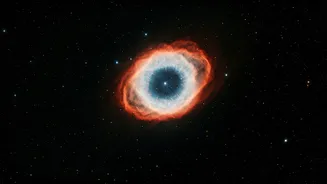
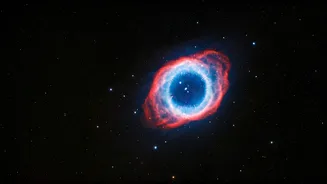
high-definition pictures of nebulae, star-forming regions, and distant galaxies. Unlike the blurrier, more abstract space photos of the past, Webb’s images are vibrant, detailed, and incredibly shareable. They look less like scientific data and more like cosmic art. When NASA releases a new photo of the “Pillars of Creation” or a swirling “Phantom Galaxy,” it doesn’t just appear on news sites; it floods Instagram feeds, becomes a trending topic on X (formerly Twitter), and provides stunning new wallpapers for phones and laptops. For a generation of kids raised on high-resolution graphics and visual media, these images make space feel immediate, accessible, and profoundly cool.
From STEM to Stargazing
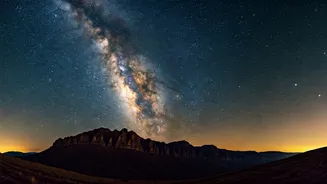
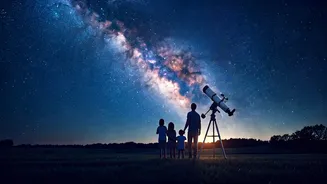
For years, parents have been encouraged to push their children toward STEM (Science, Technology, Engineering, and Math). While well-intentioned, this can sometimes feel like a chore—another set of worksheets or a coding camp that feels more like school than play. Astronomy offers a different path. It’s a gateway to science that is driven by pure awe. You don’t need to understand complex physics to be mesmerized by Saturn’s rings or the sheer number of stars in the Milky Way. This makes it an incredibly effective, low-pressure entry point into scientific thinking. It encourages big questions: How big is the universe? Are we alone? What are black holes? This shift is reflected in the market. Toy companies are seeing renewed interest in home telescopes, planetarium projectors, and space-themed LEGO sets. It’s a form of educational entertainment that doesn’t feel forced, tapping into a natural human instinct to explore the unknown.
The TikTok Telescope
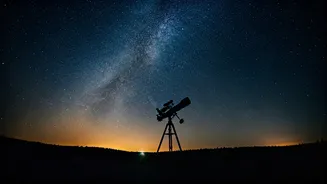
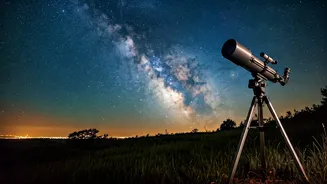
Paradoxically, the very screens that often pull kids inward are also helping fuel this outward-looking obsession. On TikTok, the “AstroTok” community has exploded, where amateur astronomers and enthusiasts share videos of their own celestial discoveries. A user might post a shaky but incredible video of Jupiter and its moons, filmed with a smartphone held up to a backyard telescope. These clips demystify stargazing, showing that you don’t need to be a NASA scientist to witness something spectacular. The content ranges from practical tips—like how to find a constellation using an app—to mind-bending explainers about cosmic distances and theories. This social media ecosystem makes astronomy a shared, communal experience. Kids aren’t just learning about space; they’re seeing their peers get excited about it, creating a powerful feedback loop that validates and amplifies their own curiosity.
A Search for Awe and Perspective
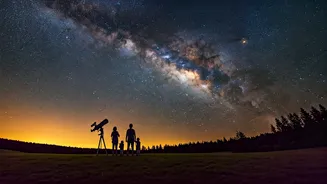
Beyond the cool technology and social media trends, there may be a deeper psychological driver at play. For kids growing up in a world saturated with information, social pressures, and often-anxious news cycles, the universe offers a profound sense of perspective. Staring up at a sky that has been there for billions of years can be a powerful antidote to the fleeting anxieties of daily life. Psychologists refer to this feeling as “awe”—the experience of encountering something vast that transcends our current understanding of the world. Awe has been shown to decrease stress and increase feelings of connection to others. In a way, looking at the stars is a form of mindfulness. It pulls a child out of their own head and connects them to something infinitely larger, reminding them that their daily worries are just a small part of a much grander story. It’s an obsession that fosters not just knowledge, but a sense of peace and wonder.