







The City as a Giant Heat Sponge
The core of the issue is something scientists call the “urban heat island” (UHI) effect. Cities across India are packed with materials like concrete, asphalt, and dark-coloured roofing that are exceptionally good at absorbing and holding onto heat. Unlike
rural areas with more soil, trees, and water, which cool their surroundings through shading and evaporation, our urban landscapes act like giant sponges for solar energy. Throughout the day, even when it’s cloudy, these surfaces soak up the sun's radiation and store it. This effect is so significant that major cities are often several degrees warmer than the surrounding countryside, a phenomenon well-documented in places like Delhi and other Indian metros.
How Clouds Play a Double Role
Clouds have a split personality when it comes to temperature. During the day, they act as a shield, reflecting some of the sun's incoming radiation back into space, which can lead to cooler daytime temperatures. This is the relief we feel on an overcast afternoon. However, their role completely flips after sunset. As the city’s buildings and roads start to release the heat they've stored all day, the clouds now act like a blanket. Instead of allowing this heat (in the form of infrared radiation) to escape into space, the clouds trap it, reflecting it back down towards the surface.
The Night-Time Trap
This combination creates the perfect recipe for those uncomfortably sweaty nights. The urban heat island has charged up the city with stored heat, and the nighttime cloud cover prevents any of it from escaping. This is why the temperature difference between urban and rural areas is often most significant at night. While a clear night would allow the day's accumulated heat to radiate away, leading to a noticeable drop in temperature, a cloudy night effectively puts a lid on the city, keeping everything warm and stuffy. It's a double whammy: the city’s structure stores the heat, and the clouds lock it in.
More Than Just an Inconvenience
This trapped heat is more than just a nuisance that disrupts sleep. It leads to increased energy consumption as millions of air conditioners work overtime, which in turn releases more waste heat and pollutants, worsening the cycle. More critically, elevated nighttime temperatures pose significant health risks, especially for vulnerable populations like the elderly and children. The inability for the body to cool down and recover at night during heatwaves can lead to heat exhaustion and other serious conditions. Studies across Indian cities have shown a clear link between the UHI effect, land use changes, and the increasing frequency and intensity of heatwaves.
Cooling Our Concrete Jungles
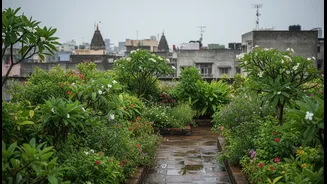
Tackling the urban heat island effect is a crucial challenge for sustainable urban planning. The solutions involve reintroducing nature into our cityscapes. Simple measures like planting more trees for shade, creating more parks and green spaces, and installing 'green roofs' can make a huge difference. Using lighter-coloured, more reflective materials for roads and buildings can also help reflect more sunlight instead of absorbing it. By designing cities that work with nature rather than against it, we can create more comfortable, energy-efficient, and healthier environments for everyone.