

The Science of Plant Sweat
To understand why rainy weather affects your indoor plants, we need to talk about transpiration. This is the process where plants release water vapour from their leaves, essentially their version of sweating. It helps them pull water up from the roots
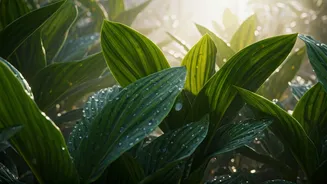
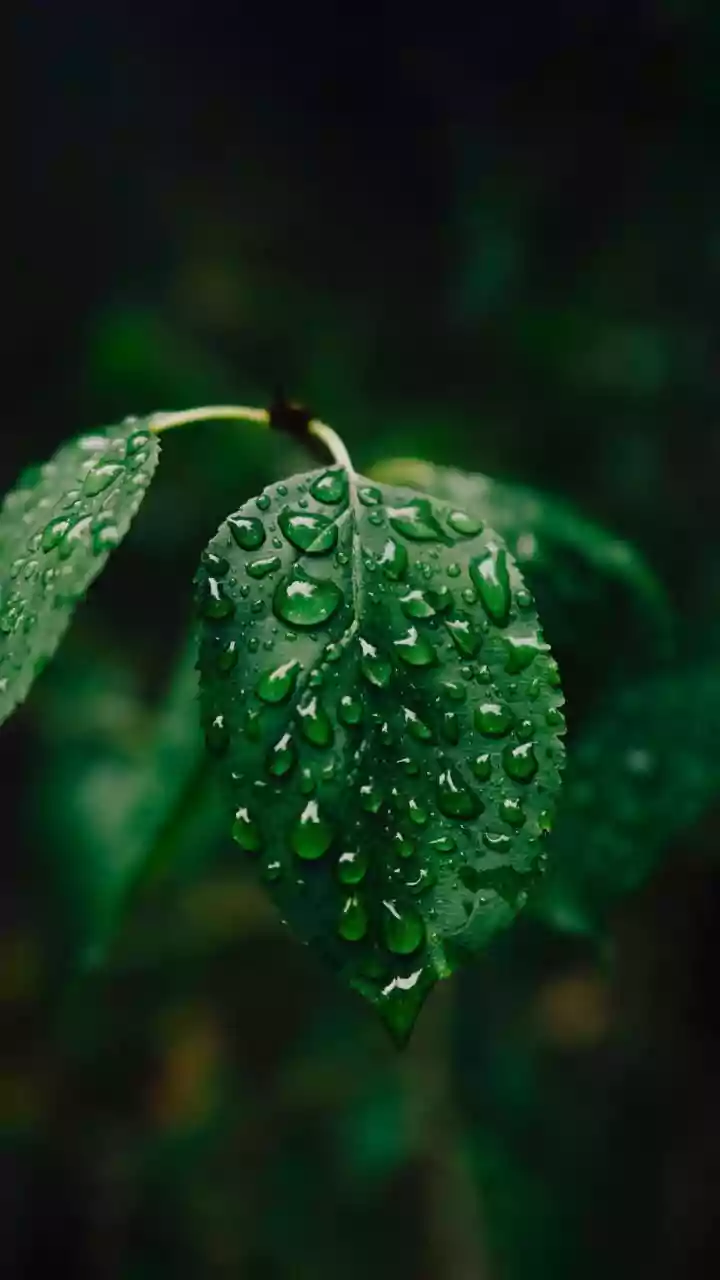
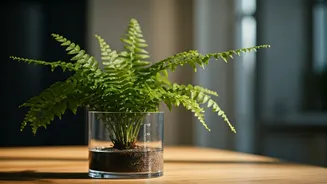
to the leaves. The rate of transpiration is heavily influenced by the humidity of the surrounding air. [3, 13] When the air is dry, water evaporates from the leaves more quickly. [9, 13] Conversely, when the air is already saturated with moisture—as it is during wet, rainy weather—the transpiration rate slows down considerably. [3, 9, 12] Think of it like trying to dry a towel in a steamy room; it just doesn't happen as fast. This slowdown means the plant isn't losing water as quickly and therefore doesn't need to draw as much from the soil.
Your Home's Indoor Climate Changes
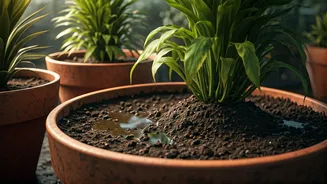
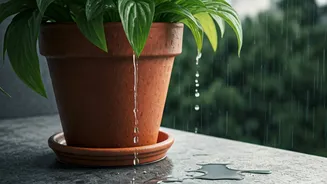
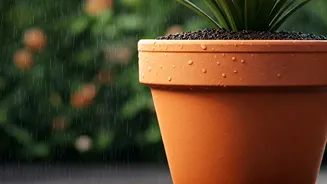
Even with the windows closed, the outside weather has a significant impact on your home's indoor environment. During a rainy spell or the monsoon season, the ambient humidity outdoors skyrockets. This moist air seeps into our homes, raising the indoor humidity level. [20] For your plants, this means the air around their leaves is much more humid than on a dry, sunny day. [20] Because of this increased humidity, the soil in your pots will dry out much more slowly. [20] If you continue to water on the same schedule as you did during a dry spell, you risk creating a waterlogged environment for the roots, which is the number one cause of many common houseplant problems.
Spotting the Signs of Overwatering
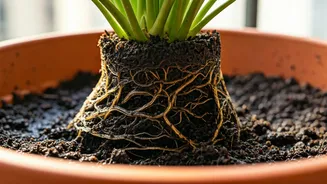
Overwatering is a far more common plant killer than underwatering, especially during humid seasons. The signs can sometimes be confusing because an overwatered plant can look wilted, just like a thirsty one. [7] The key difference is the soil; if the plant is wilting but the soil is damp, you're likely overwatering. [1] Look out for yellowing leaves that feel soft or mushy, not dry and crispy. [7, 8] Other tell-tale signs include leaves dropping from both old and new growth, a musty or rotten smell from the soil, a mushy stem base, and the appearance of fungus or small flying insects (fungus gnats) around your pots. [1, 5] Brown spots on leaves, sometimes with a yellow halo, can also indicate a bacterial infection from too much moisture. [1]
How to Adjust Your Watering Routine
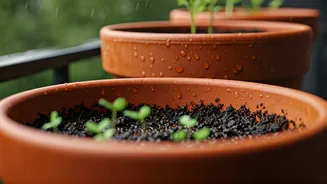
The golden rule of plant care, especially during wet weather, is to check the soil before you water. [4] Don't just rely on a weekly schedule. The most reliable method is the finger test: stick your index finger about two inches into the soil. [4] If it feels dry at that depth, it's time to water. If you feel any moisture, wait a few more days and check again. [4] For deeper pots, a simple wooden chopstick or skewer works well; push it into the soil, leave it for a minute, and if it comes out clean and dry, it's watering time. [4, 18] If it comes out damp with soil sticking to it, hold off. [4] For those who prefer a more precise method, an inexpensive soil moisture meter can take the guesswork out of your routine entirely. [17, 21]
Beyond Watering: Other Monsoon Care Tips
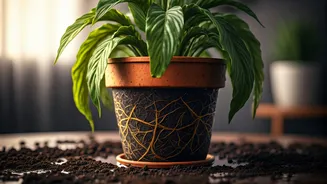
Adjusting your watering is crucial, but a few other tweaks can help your indoor plants thrive during a prolonged wet season. Good air circulation becomes more important in humid conditions to help prevent fungal diseases. [14] Pruning away any dead or yellowing leaves will also improve airflow and prevent pests. [11] Since plants are often in a growth phase during the monsoon, this is a good time to provide them with nutrients. [10] Consider using a balanced organic fertilizer, as chemical fertilizers can build up salts in soil that isn't drying out as quickly. [6] Also, ensure your pots have adequate drainage holes to let any excess water escape, preventing the dreaded root rot. [6, 11]