





The Museum: A Curated Journey Through Time
A regional museum is a destination for the mind. It offers a structured, thoughtful narrative, allowing you to step into the story of a place. Think of the Vasa Museum in Stockholm, where the colossal, resurrected 17th-century warship tells a dramatic
tale of ambition and failure. You can't walk on the ship itself, but you can view it from multiple levels, absorbing the sheer scale and intricate detail of a vessel that spent 333 years underwater. Similarly, smaller institutions like the Museum of Country Life in Ireland or a local history museum in Keswick, England, offer deep dives into the daily lives, struggles, and triumphs that shaped a region. These are places of quiet contemplation. They aren’t just sights; they are scripted experiences designed to give context, meaning, and a deeper understanding of the culture you are visiting.
The Market: A Stage for Everyday Life
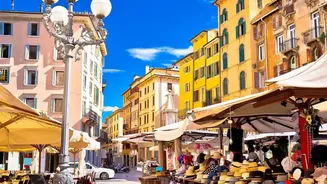
In contrast, a street market is an experience for the senses. It is culture in its most unfiltered, living form. Picture Bologna's Quadrilatero district, one of Italy's oldest markets, where the air is thick with the scent of cured meats, aged cheeses, and fresh bread. It’s not just a place to shop; it's where locals gather for aperitivo, transforming the narrow medieval lanes into a bustling social hub. Or consider the sprawling Marché aux Puces de Saint-Ouen in Paris, the world's largest flea market, a labyrinth of over 1,500 stalls selling everything from rare antiques to vintage curiosities. Here, the experience is about participation—haggling with a vendor, tasting a local delicacy, and getting lost in the chaotic energy. These markets are not curated for visitors; they are a dynamic, unscripted slice of daily existence.
Beyond the Binary: Where Sight Meets Experience
The distinction between sight and experience is often more of a mindset than a reality. A museum can be a profound personal experience, especially 'living history' museums like Skansen in Stockholm or Beamish in England, where you can interact with artisans and walk through historical buildings. The Vasa Museum, for example, tells a very human story of royal ambition and spectacular failure that resonates emotionally. Conversely, a market can be an educational sight. Observing the types of fish at Venice's Rialto Market or the variety of produce in Munich's Viktualienmarkt teaches you about the local geography and diet. The line blurs when you realise that culture is not just preserved in galleries; it is practiced daily in the buying and selling of food, in conversations over coffee, and in the crafts passed down through generations.
How to Turn Looking into Living
Ultimately, transforming a sight into an experience depends on your approach. In a museum, go beyond just looking at the main attractions. Join a guided tour to hear the stories behind the artifacts, which can provide context that exhibit labels alone cannot. In a market, engage. Don’t just take photos. Ask a vendor about their produce, try a free sample, and buy a small item—a local cheese, a piece of fruit, a handmade souvenir. Sit at a communal table in a food hall like London's Borough Market or Madrid's Mercado de San Miguel and simply watch the world go by. The key is to shift from passive observation to active participation, whether you are in the hallowed halls of a gallery or the noisy aisle of a market.