



What is El Niño?
At its heart, El Niño is a significant warming of the ocean's surface in the central and eastern equatorial Pacific, near the coast of South America. This isn't just a minor temperature tweak; it's a large-scale climate pattern that disrupts normal ocean and atmospheric
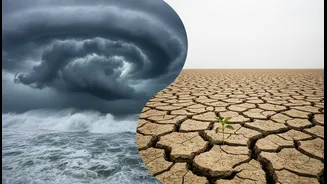
conditions. In a typical year, strong trade winds blow from east to west, piling up warm water in the western Pacific near Indonesia and Australia. During an El Niño, these trade winds weaken or even reverse. As a result, the massive pool of warm water sloshes back eastward across the Pacific. This change in ocean temperature, however small it sounds, is powerful enough to alter weather patterns across the globe.
The Atmosphere's Long-Distance Call
So, how does a warm patch in the Pacific Ocean affect rainfall in India? The answer lies in something scientists call 'teleconnections'—long-distance links in the climate system. The key connection is a massive loop of air known as the Walker Circulation. Normally, warm, moist air rises over the western Pacific (near Indonesia), flows east at high altitudes, sinks over the cooler eastern Pacific, and then flows back west as surface trade winds. This circulation helps drive the Indian monsoon. When El Niño warms the central and eastern Pacific, the area of rising warm air shifts eastward with it. This disrupts the entire Walker Circulation loop. The rising air is now in the middle of the Pacific, and as a consequence, air begins to sink over the Indian Ocean region. This sinking motion, called subsidence, suppresses cloud formation and rainfall, effectively weakening the engine of the Indian monsoon.
The Impact on the Indian Monsoon
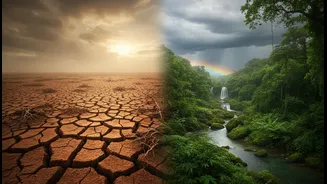
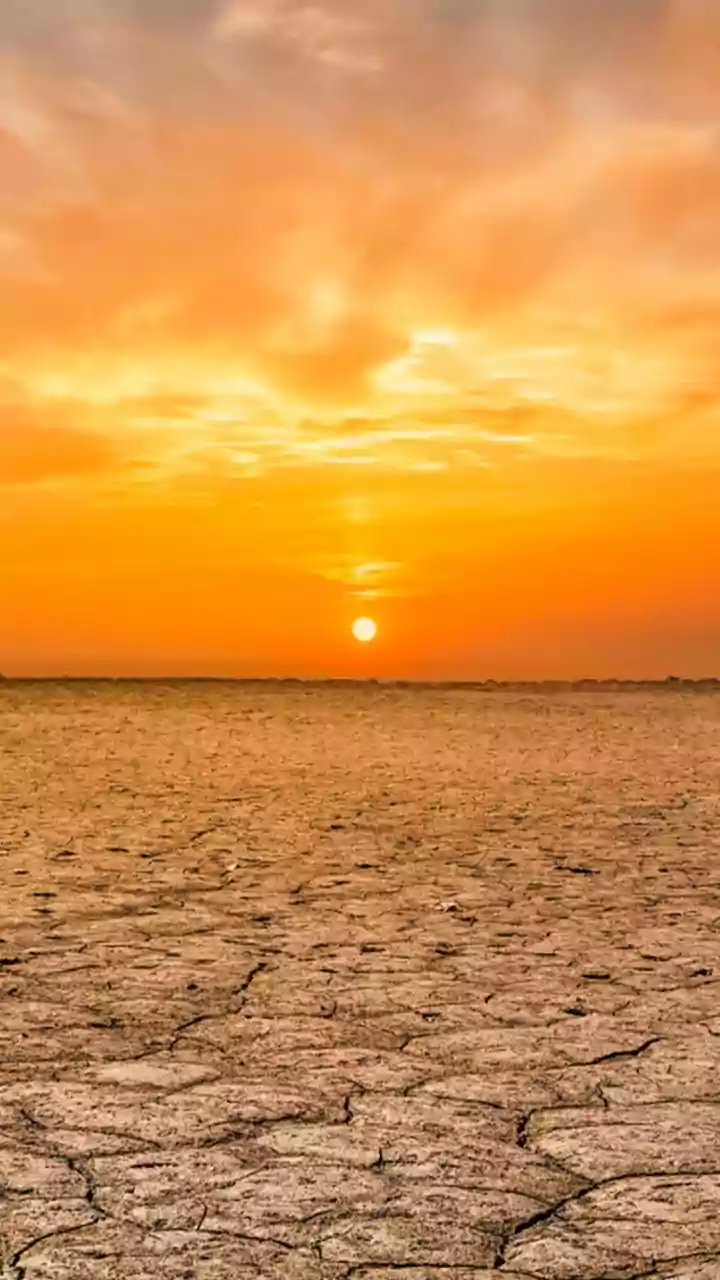
The disruption of the Walker Circulation has direct consequences for India's crucial southwest monsoon. The monsoon relies on a strong low-pressure area over the Indian subcontinent that pulls in moisture-laden winds from the ocean. El Niño's influence—causing sinking air over the Indian Ocean—weakens this system. This leads to reduced moisture transport towards India, less cloud cover, and ultimately, below-normal rainfall. Historically, many of India's drought years have coincided with El Niño events. The current 2026 monsoon has already opened with a significant rainfall deficit, a situation worsened by strengthening El Niño conditions. Forecasts from global agencies indicate that this El Niño is expected to intensify rapidly through the year, suggesting a continued threat to rainfall patterns.
A Complicating Factor: The Indian Ocean Dipole
However, El Niño isn't the only player in this complex climate drama. The Indian Ocean has its own climate pattern, called the Indian Ocean Dipole (IOD), which can either worsen or counteract El Niño's effects. The IOD, sometimes called India's own El Niño, refers to the temperature difference between the western Arabian Sea and the eastern Indian Ocean near Indonesia. During a 'positive' IOD, the Arabian Sea becomes warmer than usual, which helps generate more rain-bearing clouds and can boost the monsoon, sometimes even offsetting the negative impact of an El Niño. In 1997, for instance, a strong positive IOD helped salvage the monsoon despite a powerful El Niño. Conversely, a 'negative' IOD can worsen drought conditions. Currently, the IOD is neutral, meaning it is not providing any extra support against the developing El Niño.
From Weather Patterns to Economic Realities
The chain of events from the Pacific to India doesn't stop at rainfall figures; it directly hits the economy. Agriculture, which employs nearly half of India's workforce, is the most vulnerable. A weak monsoon due to El Niño can lead to reduced crop yields for staples like rice and pulses, triggering food price inflation. This impacts rural incomes, reduces consumer spending, and can even slow down the country's overall GDP growth. Beyond farming, a poor monsoon affects water levels in reservoirs, impacting drinking water supplies and hydropower generation. Policymakers are on high alert, with India's Agriculture Minister warning of a potential 'super' El Niño in 2026 and its direct effects on Kharif crops.