




More Than Just Stitches
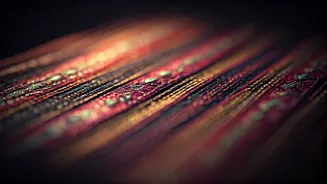
At first glance, Nupe embroidery is a feast for the eyes. Characterized by dense, intricate stitching and bold, vibrant colors, it transforms simple cloth into a canvas of cultural expression. The patterns are often geometric and symmetrical, featuring
symbolic motifs drawn from the natural world. Traditionally produced on hand-woven cotton, this art form is renowned for its visual appeal and the deep cultural significance embedded in every thread. Artisans in Bida, the heart of the Nupe kingdom, have been the historic custodians of this craft, which includes weaving, dyeing, and embroidery. This rich textile tradition is a core part of the Nupe people's identity, a group known for their skilled craftsmanship in metalwork, weaving, and carving.
A Rich History from Central Nigeria
The Nupe people, primarily located in Nigeria's Niger State, have a long and storied history as artists and traders. Their capital, Bida, has for centuries been a hub of creative production. Nupe embroidery was historically used to adorn prestigious garments, communicating status and identity. The intricate work was not just decorative but a form of storytelling and heritage preservation, passed down through generations. The techniques and motifs have been influenced over time by trade and cultural exchange with neighboring groups like the Yoruba and Hausa, creating a unique and dynamic artistic language. This legacy, which dates back centuries, is a testament to the skill and cultural pride of its creators.
From Royal Courts to Global Runways
So, why is this traditional craft suddenly a topic of global conversation? The answer lies in its discovery by the wider fashion world. Recently, designers have begun to incorporate Nupe embroidery into modern collections, drawn to its unique aesthetic and authentic story. This has introduced the art form to a new, international audience. The trend aligns with a broader consumer desire for sustainable and ethically produced fashion. Many Nupe artisans use locally sourced materials and traditional, low-impact techniques, making their work an attractive alternative to mass-produced textiles. Collaborations between these artisans and global designers are helping to bridge the gap between traditional craftsmanship and contemporary style, giving this ancient art a new platform.
Appreciation, Not Appropriation
Whenever a traditional craft enters the mainstream, it sparks an important dialogue about cultural appreciation versus appropriation. The growing popularity of Nupe embroidery is no different. For the exchange to be positive, it must be respectful and equitable. This means ensuring that the Nupe artisans are properly credited, fairly compensated, and are active participants in how their heritage is portrayed and used. It's about celebrating the originators of the craft, not just the final product. As consumers, being mindful of where our clothes come from and who made them is a powerful way to support artisans directly and encourage a fashion industry that values cultural heritage. This ensures that the tradition is not just preserved, but that its community also prospers.
The Future of a Storied Craft
The increased visibility of Nupe embroidery offers significant economic opportunities for the artisans in Bida and surrounding areas. For many, this craft is a primary source of livelihood, and a growing market can provide vital income that reinforces cultural pride and helps sustain their communities. However, this commercialization also presents challenges, such as the need to protect the craft from being devalued by machine-made imitations and ensuring that the economic benefits flow back to the creators themselves. Supporting organizations that work directly with artisan cooperatives can help ensure the longevity of the craft and the well-being of the people who have perfected it over centuries. This renewed interest represents more than just a trend; it's a chance to build a sustainable future for a priceless piece of Nigerian heritage.