







The Trouble with White Rice
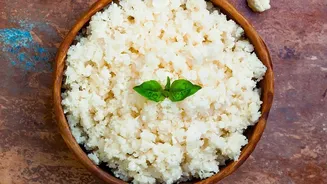
Polished white rice is a staple for a reason: it's versatile, easy to cook, and comforting. However, the polishing process that gives it that pearly white appearance strips away the bran and germ, which are the most nutritious parts of the grain. What’s
left is mostly starchy endosperm. This means it has very little dietary fiber. A diet low in fiber can lead to digestive issues, but more importantly, it offers little to nourish our gut microbiome—the trillions of beneficial bacteria living in our digestive tract that are crucial for overall health. Furthermore, white rice has a high glycemic index (GI) of around 73, which can cause rapid spikes in blood sugar levels after a meal.
Meet the Millet Powerhouses: Foxtail and Sorghum
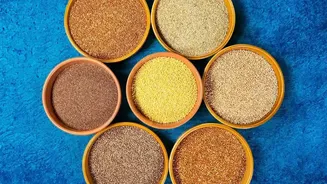
Enter foxtail millet (kangni) and sorghum (jowar), two ancient Indian grains making a major comeback. These are not just nostalgic foods from our grandparents' kitchens; they are nutritional powerhouses. Compared to white rice, foxtail millet and sorghum are packed with dietary fiber. Foxtail millet, for instance, contains roughly 25 times more fiber than polished white rice. They are also richer in protein, with foxtail millet providing nearly double the amount found in rice. These millets are also loaded with essential minerals like iron, calcium, and magnesium, which are vital for everything from bone health to energy production.
How Fiber Fuels a Happy Gut
So, why is fiber the hero of this story? Dietary fiber, particularly from whole grains like millets, acts as a prebiotic. This means it serves as food for the good bacteria in your gut. When these beneficial microbes feast on fiber, they produce short-chain fatty acids, which have numerous health benefits, including reducing inflammation and strengthening the gut lining. A healthy and diverse gut microbiome is linked to improved digestion, a stronger immune system, better mood, and a lower risk of chronic diseases. By swapping a low-fiber grain for a high-fiber one, you are actively cultivating a healthier internal ecosystem.
Beyond Gut Health: Other Major Benefits
The advantages of switching to foxtail millet and sorghum extend far beyond digestion. Due to their high fiber content and complex carbohydrates, these millets have a much lower glycemic index than white rice. Studies show the average GI for millets is around 52.7, compared to 71.7 for milled rice. This leads to a slower, more sustained release of energy, preventing blood sugar crashes and keeping you feeling full for longer, which can aid in weight management. Additionally, both foxtail millet and sorghum are naturally gluten-free, making them an excellent choice for individuals with celiac disease or gluten sensitivity.
Making the Switch: Practical Tips
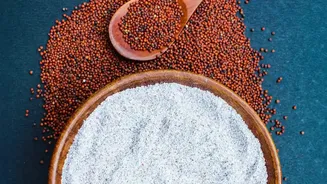
Incorporating these millets into your diet doesn't require a complete overhaul of your eating habits. Start gradually. You can begin by mixing 50% millet with 50% rice in your daily meals. Foxtail millet cooks similarly to rice and can be used as a direct substitute in dishes like pulao, khichdi, or even as a simple side. Sorghum is most popularly consumed as flour to make rotis or bhakri, which can replace wheat chapatis a few times a week. You can also use millet flakes for a breakfast porridge or add cooked millets to salads for extra texture and nutrients. The key is to make small, sustainable changes that you can stick with for the long term.