

Why We're Seeking Comforting Colours
The shift away from the stark, cool minimalism of previous years is about more than just aesthetics; it's a reflection of a collective desire for comfort and stability. Designers note that after a period of uncertainty, people are craving homes that feel
like a sanctuary. Earth tones, with their inherent connection to the natural world, provide a sense of grounding and peace. These colours—reminiscent of soil, clay, and forests—are psychologically soothing, helping to create an atmosphere of relaxation and well-being in our most personal spaces. It’s a move toward what some call 'quiet luxury', where the richness of a room comes from its texture and emotional comfort rather than overt decoration.
The Core Earthy Palette
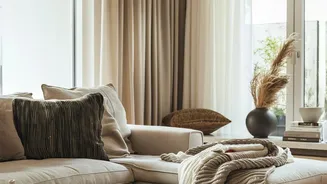
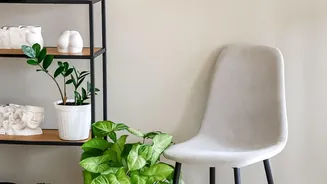
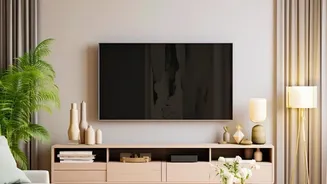
The term 'earthy' covers a family of muted, warm hues. The headliners for this year are shades of terracotta, clay, and rust. These reddish-browns bring an immediate warmth and a sun-baked feel to any room. Alongside them are nature-inspired greens, particularly muted tones like olive, sage, and moss. These shades act as a bridge to the outdoors and pair beautifully with the warmer clay tones. Rounding out the palette are the new-era neutrals: warm beiges, mushroom taupes, and soft browns that are replacing cool greys as the go-to foundational colours for a sophisticated yet inviting interior.
Star Player: Terracotta and Clay
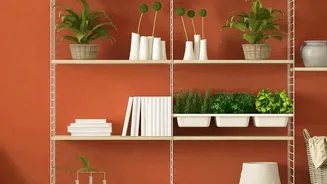
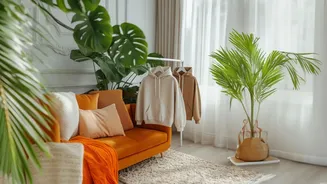
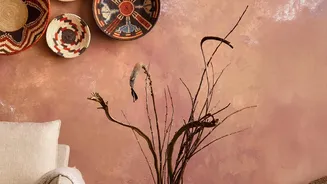
If one colour defines the 2026 trend, it's terracotta. This burnt-orange hue, softened with brown and grey undertones, has become a designer favourite. It glows in a sun-filled room and deepens to a dusty rust in lower light, making it surprisingly versatile. Unlike some bold colours, terracotta is known to flatter skin tones, making it an excellent choice for living rooms and dining areas where people gather. You can incorporate it as a statement-making accent wall, or through accessories like pottery, cushions, and floor tiles to bring a touch of rustic charm to a modern space.
Natural Complement: Muted Greens
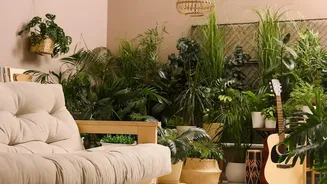
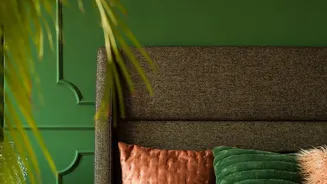
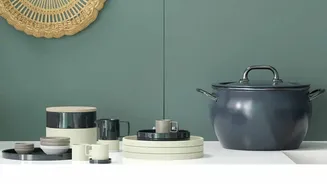
The popularity of greens like sage and olive is tied to the rise of biophilic design—the practice of connecting our indoor spaces with nature. These aren't bright, electric greens but rather soft, muted shades that evoke a sense of calm and freshness. A sage green bedroom, for example, is considered one of the most restful environments you can create. In a living room, olive green can anchor the space and provide a sophisticated backdrop that works well with natural materials like teak, walnut, and rattan. These greens act as a perfect balancing act to the warmth of terracotta and brown shades.
How to Incorporate Earthy Tones
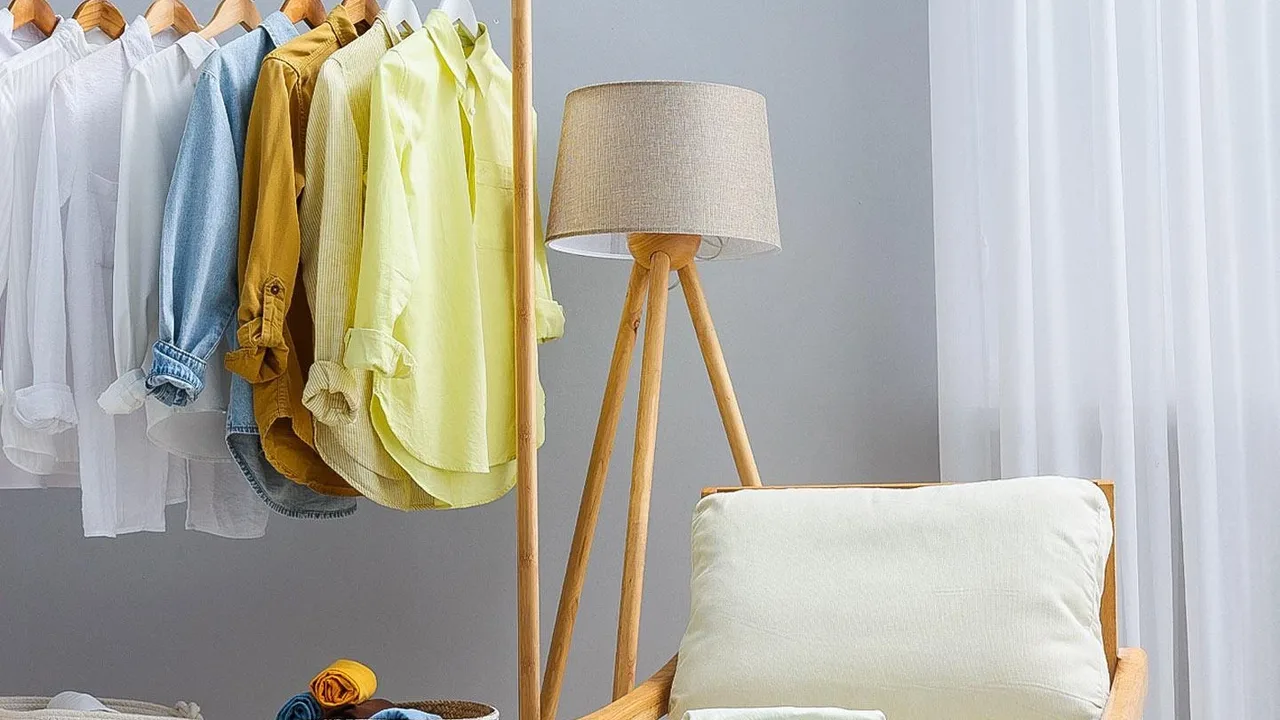
Adopting this trend doesn't require a complete overhaul. You can start small by introducing natural textures and colours through accessories. Think linen cushions in a soft beige, a clay vase, a wool throw blanket in burnt orange, or a jute rug. These items add warmth without a big commitment. For a bolder approach, consider painting an accent wall in a muted terracotta or a deep olive green. The key is to layer different tones and textures. Pair warm beige walls with darker olive accents or terracotta décor to create depth. These colours shine when combined with natural materials like wood, stone, and organic fabrics, which enhance their grounded, tactile quality.