








The Daily Toll of Sitting
From long commutes to endless hours in an office chair, the average urban professional in India spends a significant portion of their day sitting. While it seems harmless, this prolonged inactivity puts immense pressure on your spine. The spine is designed
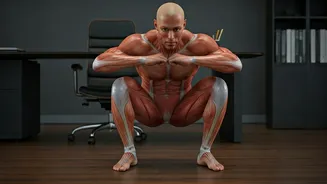
for movement, but when we sit, we often slouch. This 'C-shaped' curve strains the ligaments, muscles, and, most importantly, the soft, cushion-like discs between our vertebrae. Over time, this can lead to chronic lower back pain, neck stiffness (often called 'tech neck' from looking at screens), and poor posture that becomes harder and harder to correct. This cumulative stress is not just about discomfort; it can lead to more serious issues like herniated discs and sciatica if left unaddressed.
What is Spinal Decompression?
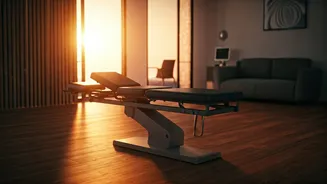
Enter non-surgical spinal decompression. Despite its complex name, the concept is quite straightforward. It's a type of motorised traction therapy that aims to gently and safely stretch the spine. During a session, you lie on a computer-controlled table. A harness is fitted around your hips and another around your trunk. The machine then slowly and methodically applies a precise, gentle force to create negative pressure within the spinal discs. Think of it as creating a vacuum effect inside the disc. This process is designed to be painless and is controlled by a therapist who monitors you throughout the session. It's a targeted approach that focuses specifically on relieving pressure in the lumbar (lower back) or cervical (neck) regions.
How It May Help Posture-Related Pain
The primary goal of spinal decompression is to alleviate pressure. The negative pressure created during the therapy is thought to achieve two main things. First, it can help retract or reposition bulging or herniated disc material, taking pressure off pinched nerves that cause radiating pain or numbness. Second, this gentle vacuum effect may help pull oxygen, water, and nutrient-rich fluids into the discs, which can promote an environment conducive to healing. For someone with pain stemming from bad sitting habits, this therapy aims to counteract the compressive forces that have built up throughout the day, providing relief and creating space for the spine to realign and recover.
The 'Sunset Hub' Concept: An End-of-Day Ritual
The idea of a 'sunset hub' frames this therapy not just as a medical treatment, but as a restorative end-of-day ritual. Attending a session after work allows you to directly address the postural strain accumulated over hours of sitting. Instead of carrying that physical stress home and into your evening, you are actively working to release it. This timing can be psychologically beneficial, creating a clear boundary between the workday and personal time for rest and recovery. This dedicated time for self-care can help reduce overall stress, and a relaxed body and mind are better prepared for a night of restorative sleep, during which the body does most of its healing.
Is This Therapy Right for Everyone?
Spinal decompression is not a one-size-fits-all solution. It is most often recommended for individuals with specific diagnosed conditions like herniated or bulging discs, sciatica, or degenerative disc disease. It is generally not suitable for pregnant women, individuals with severe osteoporosis, advanced spinal instability, or certain types of fractures or tumours. The most critical step before considering this or any therapy is to get a proper diagnosis from a qualified medical professional, such as an orthopaedic doctor or a physiotherapist. They can perform a thorough examination, possibly including imaging like an MRI, to determine the exact cause of your pain and recommend the most appropriate course of action.
A Holistic Path to a Healthier Back
While therapies like spinal decompression can be a powerful tool, they are most effective as part of a comprehensive strategy. Lasting relief from bad sitting habits requires a change in those habits. Pay attention to workplace ergonomics: ensure your chair provides lumbar support, your screen is at eye level, and your feet are flat on the floor. Most importantly, move more. Set a timer to get up, stretch, and walk around for a few minutes every hour. Incorporating core-strengthening exercises, such as planks and bird-dog poses, into your routine will build muscle support for your spine, making it more resilient to the strains of daily life.