
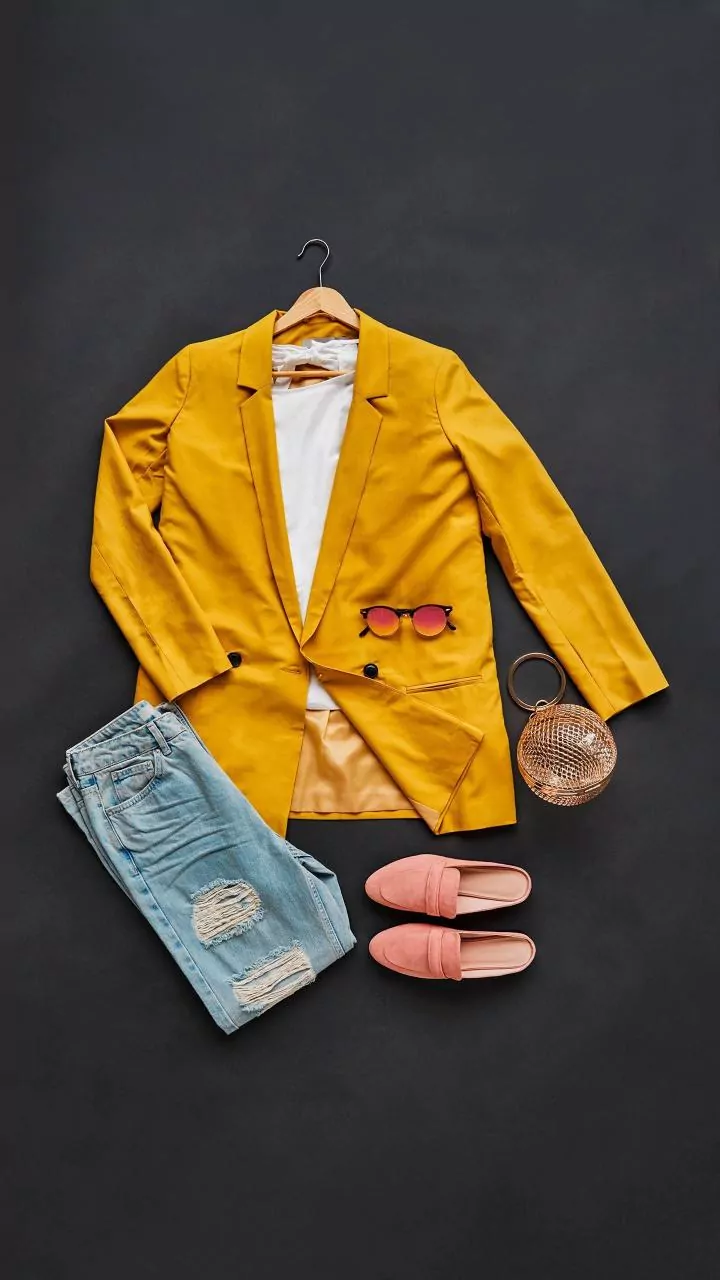

First, Understand the Psychology
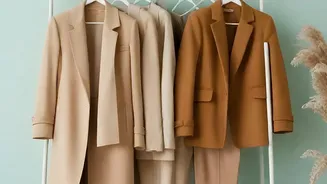
We often buy similar items because they feel safe and comfortable. Psychologists note this can be tied to the 'mere-exposure effect', where familiarity breeds liking. If you know a certain style or color looks good, buying it again removes the risk of a fashion
mistake and provides a predictable dopamine hit. This isn't necessarily a bad thing—it's the foundation of a 'personal uniform'—but it becomes a problem when your closet is full of duplicates and you still feel you have nothing to wear. The impulse is often driven by habit or boredom, not genuine need. Recognizing this is the first step to changing your behaviour.
Conduct an Honest Wardrobe Audit
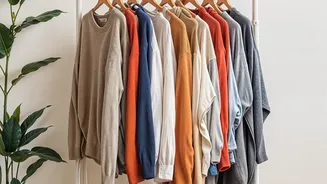
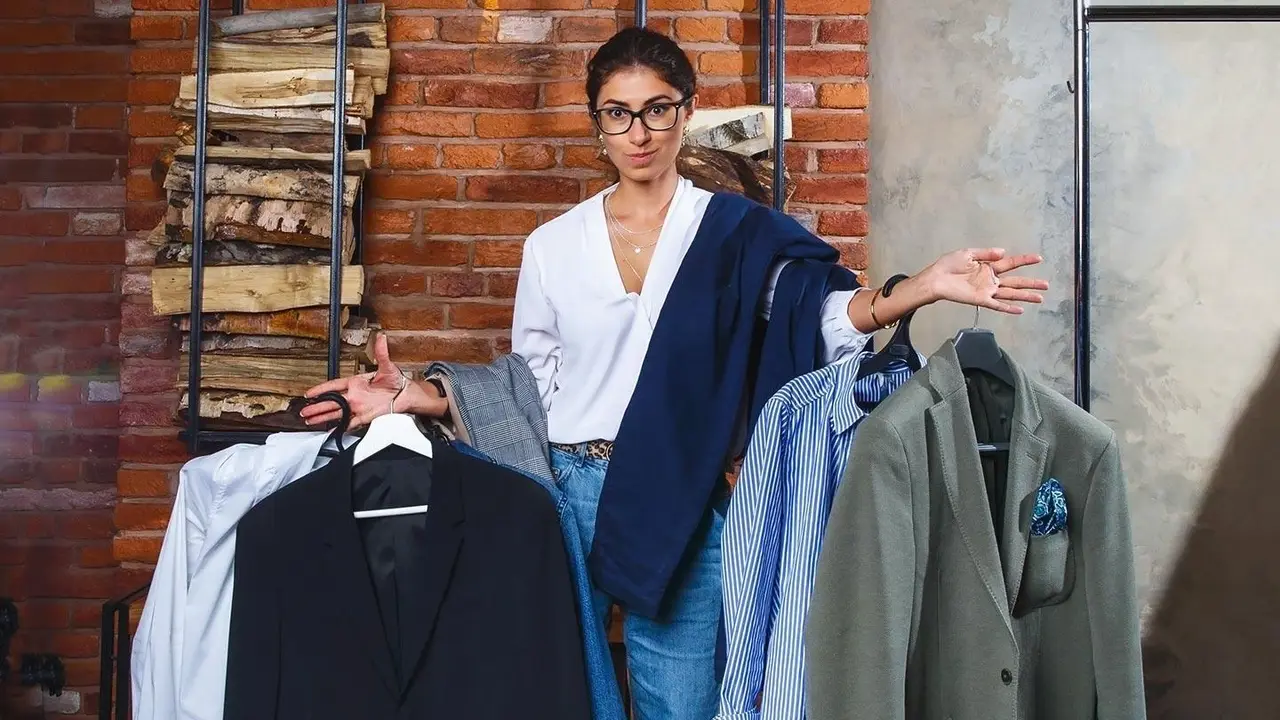
Before you can stop buying duplicates, you need a clear picture of what you already own. This means taking everything out of your closet. Create distinct piles: items you love and wear often ('J'adore'), items you're unsure about ('Maybe'), and items to donate, sell, or discard. Be ruthless. As you sort, ask yourself key questions for each item: Does it fit well? Do I genuinely enjoy wearing it? Is it in good condition? This process isn't just about decluttering; it’s an investigation into your own habits. Pay close attention to your 'repeat offenders'—the items you have multiples of. This is crucial data.
Define Your Actual Personal Style
That feeling of having 'nothing to wear' often stems from a disconnect between your clothes and your lifestyle. Your style should reflect who you are now, not who you were. Start by looking for themes in your 'J'adore' pile. What colours, silhouettes, and fabrics dominate? What do these pieces say about you? Try to summarize your style in a few keywords, such as 'classic and confident' or 'creative and cool'. Creating a digital mood board on a platform like Pinterest can also help you visually define the aesthetic you're drawn to. The goal is to move from reactive, trend-driven shopping to proactive, intentional curation.
Create a Strategic Shopping List
Once you know your style and have audited your wardrobe, you can identify genuine gaps. Perhaps you have ten tops but only one pair of trousers that works with them. A shopping list is your best defence against impulse buys. Before you shop, plan exactly what you need. For example, instead of a vague 'new top', your list might specify 'a white, long-sleeved silk blouse'. Being specific helps you stay focused and avoid temptation. Unsubscribe from brand newsletters and delete shopping apps to reduce the constant prompts to buy. The aim is to shop only when you have a clear purpose.
Ask the Right Questions In-Store
When you're in a store and considering a purchase, pause and ask yourself a few critical questions. First: 'Would I pay full price for this?' If the answer is no and you're only tempted by a sale, walk away. Second, and most importantly: 'How will this work with what I already own?' Ideally, a new item should work with at least three existing pieces in your closet. If one purchase forces you to buy another to make it work, it's often an unfavourable purchase. Finally, take a photo of the item and wait 24 hours. The delay often diffuses the initial 'must-have' urgency.
Shop Your Own Closet First
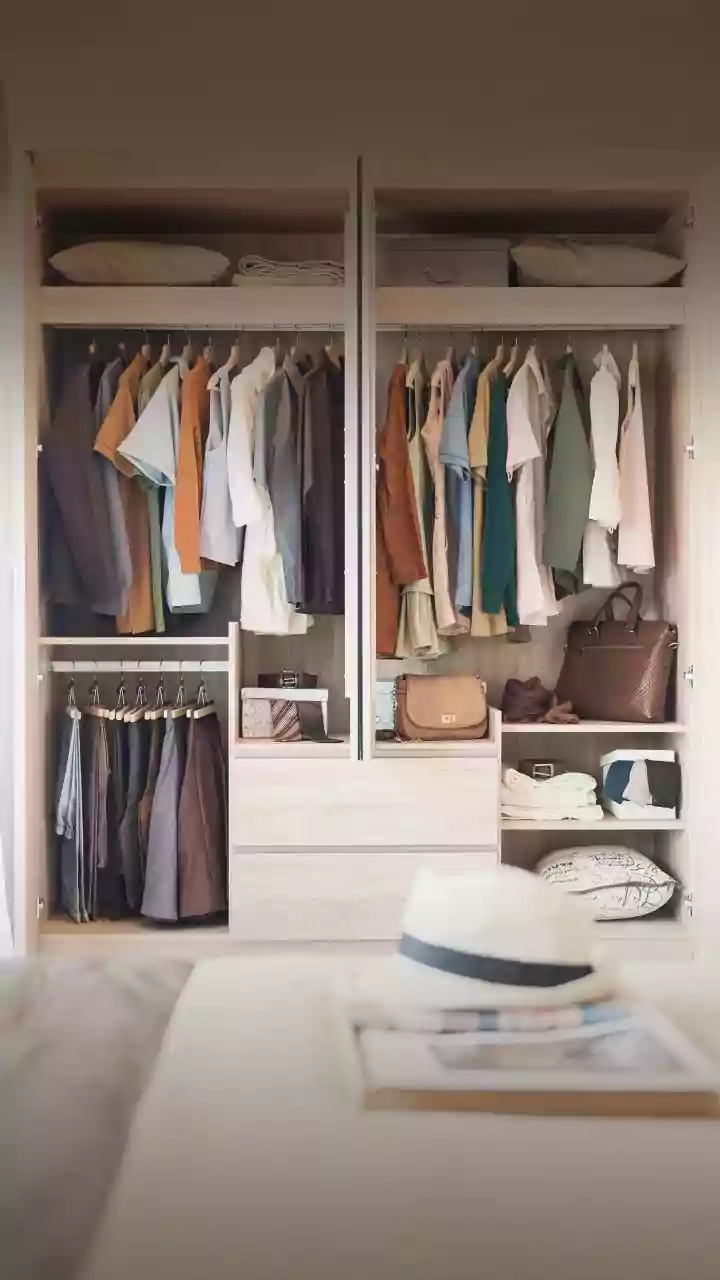
The cure for shopping boredom is often creativity, not consumption. Challenge yourself to 'shop your closet' by creating new combinations from pieces you already own. You can take photos of new outfits you create and save them in a phone album for easy reference. Experimenting with different pairings, layering, and accessories can make old items feel new again. This practice builds contentment with what you have and sharpens your styling skills, reducing the urge to seek novelty through constant purchasing.