


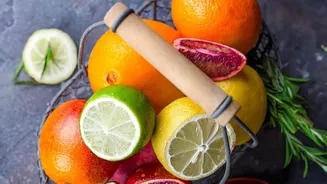
The Classic Winter Staple: Oranges
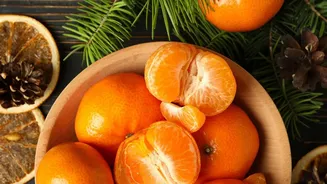
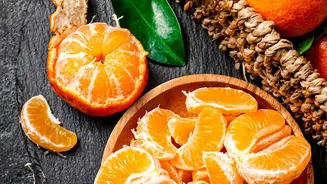
Indian winters are synonymous with oranges, particularly the famed Nagpur variety. This citrus gem is a powerhouse of Vitamin C, an essential nutrient for bolstering the immune system during the colder months when coughs and colds are common. A single
medium-sized orange can provide nearly the entire recommended daily intake of this vital vitamin. Beyond immunity, oranges are rich in fibre, which aids digestion, and their high water content helps you stay hydrated. The flavonoids present in oranges also have antioxidant properties that support heart health and reduce inflammation. When picking oranges, look for ones that feel heavy for their size and have firm, smooth skin, indicating they are full of juice.
The Tangy Superfood: Amla
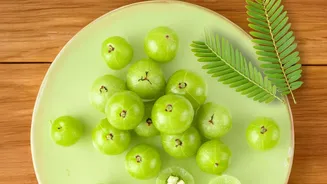
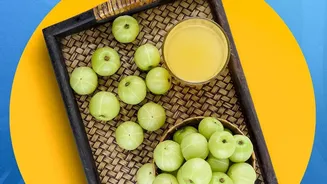
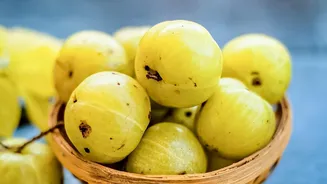
The Indian Gooseberry, or amla, is a small, green, and incredibly potent winter fruit. Revered in Ayurveda for thousands of years, amla contains one of the highest concentrations of Vitamin C found in nature, boasting significantly more than an orange. This makes it a formidable ally for your immune system, helping the body produce white blood cells to fight off infections. Amla is also excellent for skin and hair health, thanks to its antioxidants that promote collagen production, leading to a natural glow and stronger hair roots. Its high fibre content supports a healthy metabolism and digestion. While its taste is intensely sour, amla can be enjoyed raw with a sprinkle of salt, juiced, or preserved as a sweet 'murabba' or a tangy pickle.
The Humble Powerhouse: Guava
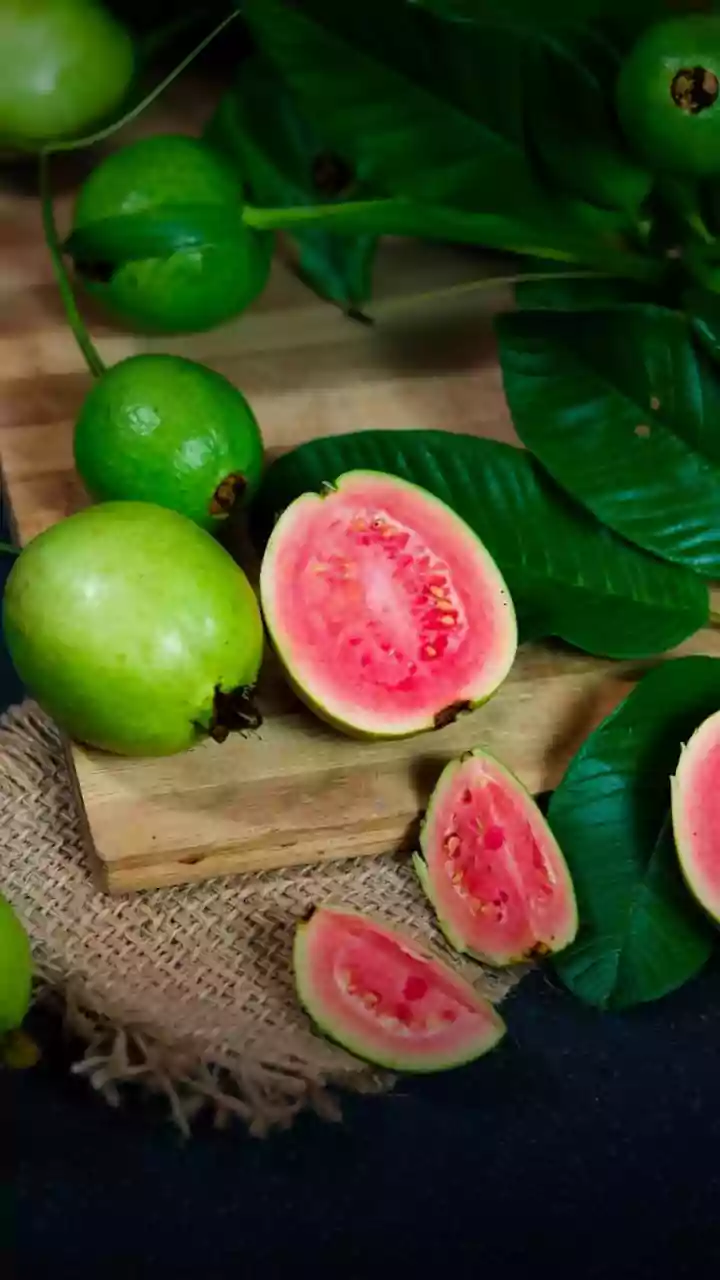
Often called the 'apple of the tropics', guava (amrood) is another winter fruit that deserves a prime spot in your fruit bowl. It is an exceptionally rich source of Vitamin C—even more so than many citrus fruits—along with dietary fibre, Vitamin A, and potassium. This nutritional profile makes it fantastic for boosting immunity, supporting heart health, and maintaining good digestive regularity. In India, varieties like the Allahabad Safeda are popular for their sweet white flesh, while pink-fleshed varieties are also common. Guava is incredibly versatile; it can be eaten fresh, perhaps with a dash of salt and chilli powder for a classic street-food experience, or juiced.
The Creamy Delight: Custard Apple
Custard apple, known as sitaphal, is a unique treat that appears in early winter. Its lumpy green exterior hides a soft, creamy, and lusciously sweet pulp. Sitaphal is a good source of energy, fibre, and essential nutrients like Vitamin C, Vitamin B6, and potassium. These contribute to a healthy immune system, good digestion, and even help in regulating blood pressure. The fruit is also a source of folate, making it a beneficial snack during pregnancy. While delicious, it's important to be mindful of portions due to its natural sweetness and calorie density. Always remember to discard the black, glossy seeds, as they are toxic and should never be consumed.
The Sweet Earthy Treat: Sapota
Sapota, widely known as chikoo, is a beloved fruit with a distinctively sweet, malty flavour often compared to brown sugar or pear. It's a fantastic natural energy booster due to its high content of fructose and sucrose. Chikoo is also a rich source of dietary fibre, which promotes gut health and can help with constipation. Packed with vitamins A and C, along with various antioxidants, it helps in boosting immunity and promoting healthy skin. The minerals found in chikoo, such as potassium and magnesium, contribute to maintaining healthy blood pressure levels. A ripe chikoo will feel soft to the touch and have smooth skin, ready to be enjoyed as a simple snack or blended into a delicious milkshake.