


The End of Watering Guesswork
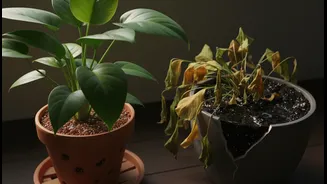
For many busy professionals, the biggest hurdle to successful plant ownership is watering. Too much water can lead to root rot, the number one killer of houseplants. Too little, and you come home to sad, drooping leaves. This constant cycle of feast or famine
stresses plants and their owners. Sub-irrigated planters, often called self-watering pots, are designed to eliminate this guesswork entirely. By providing a consistent level of moisture, they take the pressure off you and create a stable, healthy environment for your plants to flourish.
How Capillary Action Works for You
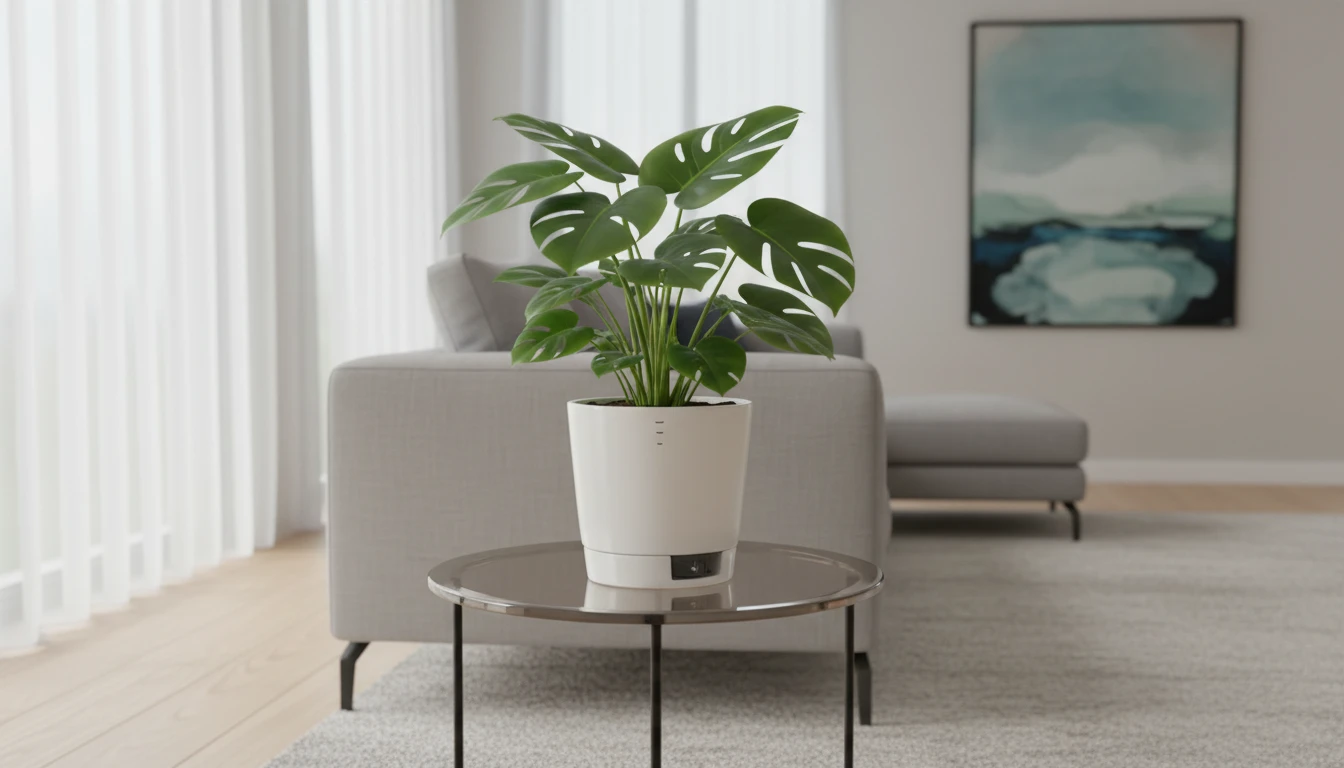
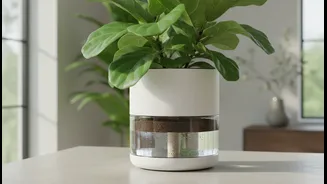
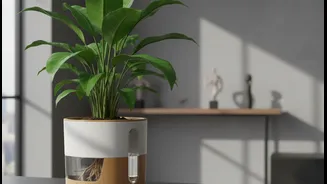
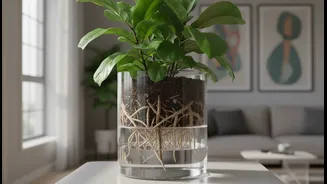
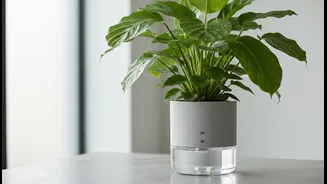
So, how does this magic work? The design is simple but ingenious. A sub-irrigated planter consists of a main growing container that sits above a built-in water reservoir. The two are connected by a wicking system, which can be soil columns or absorbent fabric wicks. This system uses a natural process called capillary action—the same force that allows a sponge to soak up liquid—to draw water from the reservoir up into the soil as the plant needs it. The plant itself dictates when and how much it drinks, effectively watering itself.
A Game-Changer for a Busy Lifestyle
The primary benefit for anyone with a packed schedule is convenience. Instead of watering every few days, you simply fill the reservoir, which might last a week or even longer depending on the plant and pot size. This makes them perfect for frequent travellers or those who simply forget. Beyond convenience, these pots promote better plant health. The consistent moisture encourages stronger, deeper root growth and prevents the stress caused by fluctuating water levels. It is also a more efficient way to water, as less moisture is lost to evaporation.
Choosing the Right Plants
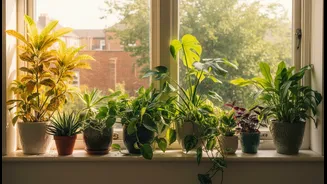
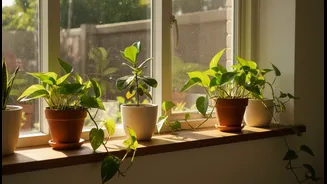
While these pots are versatile, they are best suited for plants that prefer consistently moist soil. Think of tropicals that thrive in humidity and don't like to dry out completely. Great candidates include Peace Lilies, Spider Plants, Pothos, Calatheas, and many ferns. Most common herbs like basil and mint also perform exceptionally well. However, you should avoid using these planters for succulents, cacti, or other species that require their soil to dry out completely between waterings, as the constant moisture can be detrimental.
Tips for Success
To get the most out of your sub-irrigated planter, keep a few things in mind. First, use a light, airy potting mix that facilitates wicking; a standard mix with added perlite or vermiculite works well. Dense garden soil will become too compacted and waterlogged. When you first pot a plant, it is often best to water it from the top once to settle the soil and activate the capillary action. Most importantly, do not overfill the reservoir. Quality pots have an overflow drain or an air gap to prevent the soil from becoming saturated, which protects roots from suffocating. Finally, remember that "self-watering" doesn't mean "no-maintenance." You will still need to clean the reservoir occasionally to prevent algae growth.