





The Humidity Puzzle
When it rains, the air outside is often at or near 100% relative humidity. This means it’s holding as much water vapour as it possibly can at its current temperature. Opening your windows in this scenario seems like an obvious mistake, as you would be
letting that moisture-saturated air directly into your home. This can lead to condensation on windows and walls, a clammy feeling, and in the long run, can encourage the growth of mould and mildew. These thrive in damp conditions and can pose health risks and damage your home's structure. However, keeping everything sealed shut can also be a problem. Daily activities like cooking, showering, and even breathing add moisture and pollutants to your indoor air, making it feel heavy and unpleasant. The key is understanding when ventilation will help, not harm.
The Golden Rule: Compare Inside vs. Outside
The decision to ventilate hinges on a simple comparison: is the air outside drier than the air inside? This might sound counterintuitive when it's raining, but it's possible. The term to know is 'relative humidity' (RH), which measures moisture in the air relative to temperature. Cold air holds less moisture than warm air. Therefore, cool, rainy air, even at 95% RH, might contain less actual water than the warm, stale air inside your home. The most reliable way to make this call is with a hygrometer, an inexpensive device that measures indoor humidity levels. For optimal comfort and health, indoor humidity should ideally be between 40% and 60%. If your indoor RH climbs above 60%, and you can determine the outside air is effectively drier, a short period of ventilation might be beneficial. However, as a general rule, if it's actively and heavily raining, it's best to keep windows closed.
When to Keep the Windows Firmly Shut
During a heavy downpour or on persistently humid days, opening your windows is generally a bad idea. If the outdoor humidity is high, you're simply swapping your home's moist air for even moister air, putting extra strain on your air conditioning system to remove it later. This is especially true in warmer, humid climates where the outdoor air is both hot and wet. Letting this air in not only increases indoor humidity but can also bring in allergens like pollen and dust. If you see condensation forming on your windows, that’s a clear sign that your indoor humidity is already too high, and adding more from outside will only worsen the situation. In these cases, your home is better off sealed.
When You Can Safely Open the Windows
There are moments when opening the windows during or after rain is the right move. One of the best times is right after a rain shower has passed, when the air often feels cooler and fresher. If the temperature outside has dropped significantly, that cooler air contains less moisture, making it perfect for flushing out the warm, humid air that has built up inside. Another scenario is when you’ve created a burst of indoor moisture or pollutants, such as from cooking or a hot shower. In this case, opening a window for a few minutes to quickly expel the steam and odours is better than letting them circulate through your house, even if it’s damp outside. Creating a cross-breeze by opening windows on opposite sides of the house for just five to ten minutes can quickly refresh the air without dramatically increasing long-term humidity.
Smart Alternatives to Opening Windows
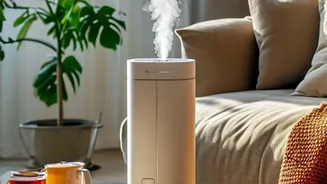
When opening windows isn't an option, you can still fight indoor humidity and stuffiness. The most effective tool is a dehumidifier, which physically pulls excess moisture from the air. Running your air conditioner also helps, as it naturally dehumidifies while it cools. For targeted moisture removal, always use your bathroom and kitchen exhaust fans. Run the bathroom fan during and for 15-20 minutes after a shower, and use the range hood when cooking to vent steam outside. Improving general air circulation with ceiling or portable fans can also make a space feel less stuffy, even if it doesn't lower humidity on its own. Keeping interior doors open can also promote better airflow throughout the home.