





Start With Forgiving Plants
Your journey to a thriving indoor garden begins with choosing the right companions. Not all plants are created equal, and some are far more forgiving of beginner mistakes. Instead of opting for a fussy fern or a delicate orchid, start with resilient,
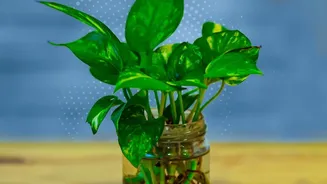
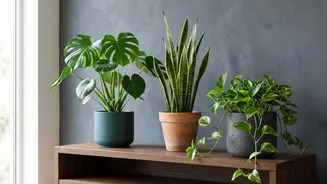
low-maintenance varieties. Plants like the ZZ plant, snake plant, and golden pothos are famously tough. They can tolerate a range of light conditions, including lower light, and bounce back if you occasionally forget to water them. Starting with an easy-care plant builds confidence and allows you to learn the ropes without the constant stress of a demanding specimen. Setting yourself up for success from day one is the most important step.
Master the Art of Watering
The most common mistake new plant owners make is overwatering. It is often born from too much love, but constantly wet soil leads to root rot, the number one killer of houseplants. There is no one-size-fits-all schedule; watering needs vary based on the plant, pot size, light, and time of year. The best rule of thumb is to check the soil before you water. Stick your finger about two inches deep. If the soil feels dry at that depth, it's time to water. If it feels moist, wait another day or two. When you do water, do it thoroughly. Pour room-temperature water over the soil until it begins to drain from the bottom of the pot. This ensures the entire root system gets a drink. Then, be sure to empty any excess water from the saucer, as letting a plant sit in water is a fast track to problems.
Know the Signs: Over vs. Underwatering
Learning to read your plant's signals is crucial. Both overwatering and underwatering can cause leaves to turn yellow and droop, which can be confusing. However, there are key differences. Overwatered plants often have soft, limp leaves and the stem might feel mushy at the base. The soil will be consistently damp, and you might even notice mould or fungus gnats. In contrast, an underwatered plant's leaves will feel dry and crispy, and the soil will be hard and pull away from the sides of the pot. An underwatered plant will often perk up quickly after a good drink, whereas an overwatered plant needs time to dry out and may require more serious intervention if root rot has set in. Always check the soil first to diagnose the problem correctly.
Provide the Right Amount of Light
Just like water, light is a critical source of energy for plants. While some, like the snake plant or ZZ plant, are famed for their tolerance of low light, no plant can survive in complete darkness. Understanding light levels in your home is key. A south-facing window will offer bright, direct light, which is too intense for many houseplants. East-facing windows provide gentler morning sun, while west-facing windows get strong afternoon sun. North-facing windows offer the least light. Most popular houseplants thrive in 'bright, indirect light', which means a well-lit spot where the sun's rays don't fall directly on the leaves. If you see scorched spots on leaves, the light is too intense. If the plant's growth is slow and the leaves look pale, it may need a brighter location.
The Pot and Soil Matter More Than You Think
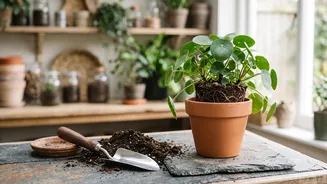
The container you choose plays a vital role in your plant's health. The single most important feature of any pot is a drainage hole. Without it, excess water has nowhere to go, leading to waterlogged soil and the dreaded root rot. If you fall in love with a decorative pot that lacks a hole, use it as a 'cachepot'. Simply keep your plant in its plastic nursery pot and place it inside the decorative one, removing it to water. The soil is just as important. Avoid using dense garden soil, which compacts easily and doesn't drain well in a container. Instead, use a quality potting mix designed for houseplants. These mixes are formulated to provide the right balance of drainage, aeration, and moisture retention for container-grown plants.