






The New Travel Itinerary
A fundamental shift is underway in how young India travels. The destination is no longer just a place to see, but a flavour to be experienced. This emerging trend, known as culinary or gastronomic tourism, has moved food from a pleasant addition to the
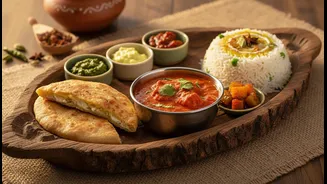
very core of travel planning. According to recent travel industry reports, a significant portion of Indian travellers, particularly those between 22 and 40, are now choosing their destinations based on local cuisine. This isn't about finding a good restaurant near a landmark; it's about the landmark being a legendary kebab shop in Lucknow or a generations-old sweet maker in Kolkata. The entire trip—the travel, the stay, the exploration—is built around a culinary quest, whether it’s tasting authentic Pandi Curry in Coorg or exploring the paratha-paved highway dhabas of Murthal.
Driven by a Digital Feast
This food-first approach is being fuelled by our digital lives. Platforms like Instagram and YouTube have become visual menus for the entire country, turning niche local dishes into viral sensations. A perfectly captured Reel of a sizzling Hyderabadi biryani or a photo series on a Goan seafood thali does more than just make you hungry; it inspires wanderlust. Influencers and food bloggers act as digital guides, creating curated trails to hidden culinary gems that rarely feature in traditional guidebooks. Surveys show that a vast majority of young Indian travellers turn to social media for trip inspiration. When a dish looks incredible online, the desire to taste it in its most authentic form becomes a powerful travel motivator, prompting travellers to book a flight or plan a road trip just to satisfy that craving.
Exploring India, One Dish at a Time
The wonderful side effect of this trend is the discovery of lesser-known destinations. While cities like Delhi, Mumbai, and Amritsar have long been celebrated as foodie hubs, the search for unique flavours is pushing travellers further afield. They are venturing into the heart of Chettinad for its fiery cuisine, exploring the coastal towns of Kerala for fresh Karimeen fry, or heading to the Northeast to sample Naga specialties. This desire for authenticity is redefining the tourist map, moving beyond crowded hotspots to places where the culture can be tasted. It’s a more immersive form of travel where a meal is a direct connection to a region’s history, agriculture, and identity. This is reflected in the rising popularity of food walks, cooking classes, and farm-to-table experiences that are now becoming central to holiday itineraries.
The Experience Economy
Ultimately, this shift is part of a broader cultural change where experiences are valued more than possessions. A weekend spent on a food trail provides more than just good meals; it creates lasting memories and stories. It’s about the thrill of discovery, the joy of sharing a meal with friends, and the satisfaction of tasting something truly special at its source. For this generation, a well-planned food trip is an adventure. It’s a sensory journey that engages you completely. You don’t just see a place, you smell its spices, taste its traditions, and hear the sizzle in its street-side stalls. This approach transforms a simple weekend escape into a rich cultural immersion, proving that sometimes the best way to understand a place is through its food.