





The Sweet Dilemma
For years, the logic behind non-caloric sweeteners (NCS) seemed simple. For those managing diabetes, trying to lose weight, or simply cutting back on sugar, these substitutes offered a way to have your cake and eat it too, without the caloric consequence.
Found in countless products under names like sucralose, aspartame, stevia, and erythritol, they became a cornerstone of low-sugar diets. The World Health Organization (WHO), however, cast a long shadow on this belief in 2023, advising against the long-term use of NSS for weight control. Their review suggested a lack of long-term benefit and pointed to potential undesirable effects, shifting the scientific focus from calories to the complex ways these compounds interact with our bodies.
Not So Inert After All
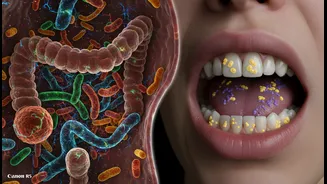
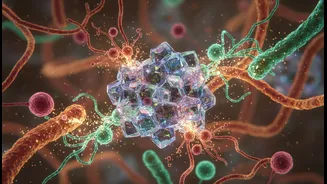
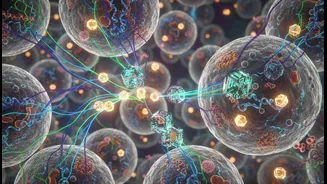
The long-held assumption was that because these sweeteners are not broken down for energy, they are 'metabolically inert'—passing through the body without a trace. However, recent research challenges this idea profoundly. A new wave of studies suggests these compounds are anything but passive. Instead of just passing through, they directly interact with the vast community of microbes in our gut. This interaction is emerging as a critical piece of the puzzle. Recent lab studies show sweeteners can alter the composition and function of the gut microbiome, the collection of trillions of bacteria that play a key role in everything from digestion to immune function and, crucially, metabolic regulation.
A Spotlight on Erythritol
Perhaps the most startling recent findings concern erythritol, a popular sugar alcohol found in many 'natural' and keto-friendly products. Research from the Cleveland Clinic has drawn a concerning link between erythritol and cardiovascular health. A study published in mid-2024 found that even a single, typical dose of erythritol—equivalent to what's in a diet drink or snack—acutely increased blood clot formation potential in healthy volunteers. This built on earlier work from 2023 that associated higher blood levels of erythritol with a significantly increased risk of major cardiac events like heart attack and stroke over three years. While researchers caution that association is not causation, these findings have prompted calls for re-evaluating erythritol's 'Generally Recognized as Safe' (GRAS) status.
The Gut Microbiome Connection
The gut appears to be the main stage where the drama unfolds. A July 2026 laboratory study found that nearly three-quarters of tested sweeteners altered the growth of at least one type of gut bacteria. Some slowed the growth of beneficial bacteria, which are essential for a healthy gut. This disruption, or 'dysbiosis,' can have knock-on effects. It has been linked to impaired glucose tolerance, increased insulin resistance, and systemic inflammation—all hallmarks of metabolic dysfunction. A meta-analysis from June 2026, which pooled data from 21 clinical trials, found that non-nutritive sweetener consumption was associated with higher fasting insulin and poorer long-term blood sugar control markers.
Are All Sweeteners the Same?
It's becoming clear that we cannot paint all sweeteners with the same brush. Their effects can vary widely. For example, some short-term human trials on pure aspartame and sucralose found no immediate impact on glucose metabolism or insulin sensitivity in healthy adults. However, other reviews note conflicting evidence, with some studies showing sucralose can decrease insulin sensitivity in some individuals. Research suggests sucralose and saccharin are more consistently linked to microbial shifts than stevia. Furthermore, a recent lab study highlighted how the effects can be amplified when sweeteners are combined with other substances, like medications or even food flavourings. This suggests the real-world impact is even more complex than studies on single sweeteners might show.