


How Self-Watering Pots Work
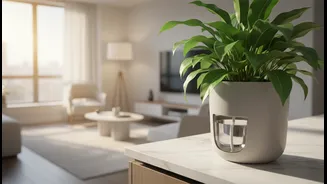
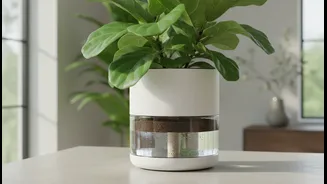
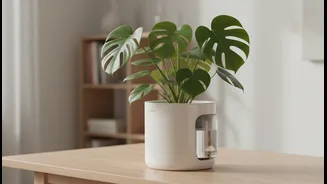
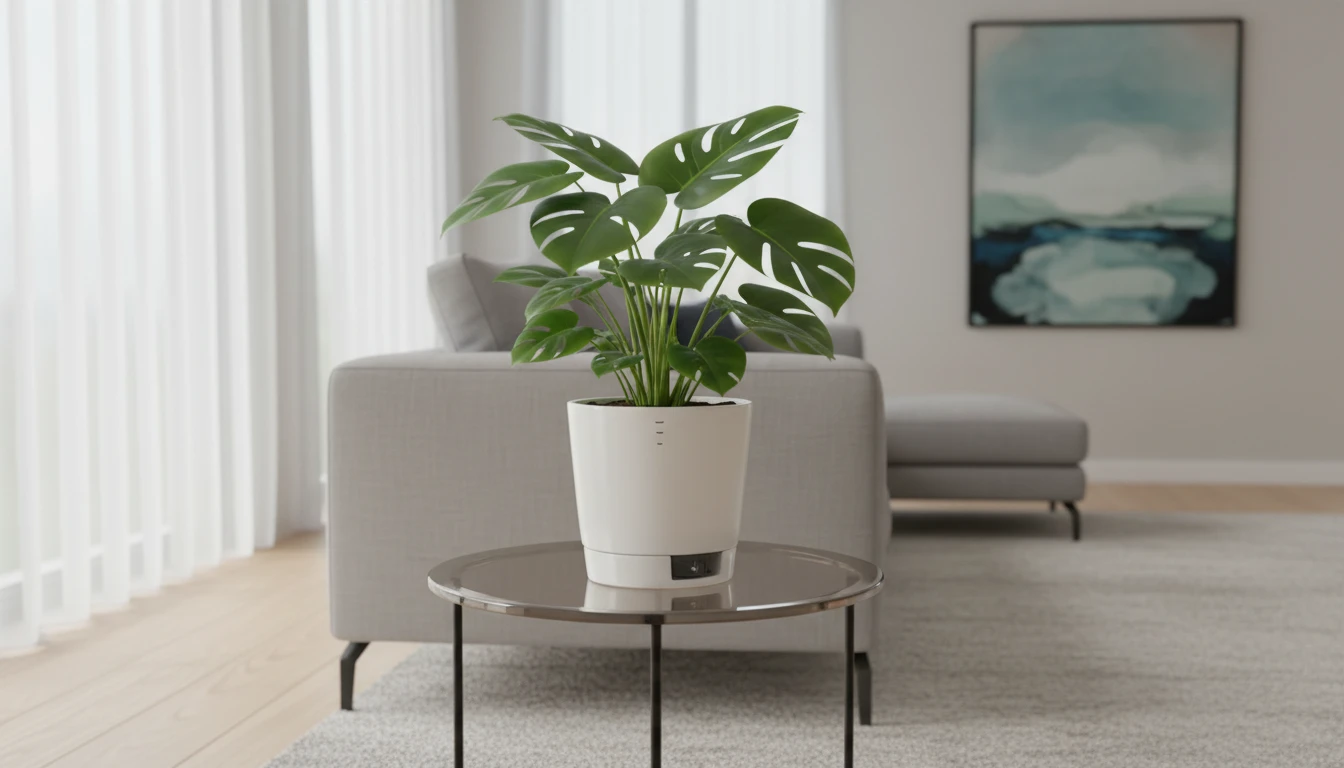
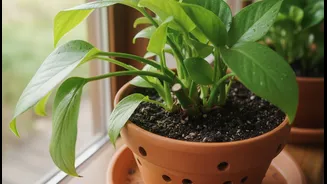
A self-watering pot is a container with a built-in water reservoir at the bottom. A wicking system, often a piece of absorbent rope or a porous material, connects the water in the reservoir to the soil in the main growing bed above. Through a natural
process called capillary action, the soil draws water up from the reservoir as it begins to dry out. This allows the plant to take exactly the amount of moisture it needs, precisely when it needs it, without any direct intervention. You simply have to keep the reservoir filled, a task that is far less frequent than daily watering.
The Ultimate Convenience Factor
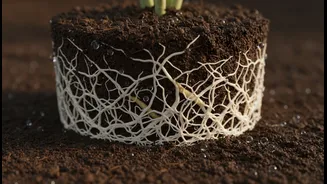
For busy professionals, the primary appeal is convenience. The daily guesswork of watering is eliminated. Instead of worrying about parched soil after a long day at the office or a week-long business trip, you only need to check the reservoir, which, depending on the plant and pot size, might only need a refill every one to two weeks. This system provides a consistent level of moisture, reducing plant stress and promoting healthier, more robust root growth. It offers peace of mind and frees up valuable time, making plant ownership accessible even for those with the most hectic schedules.
Avoiding Common Watering Pitfalls
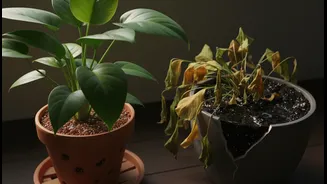
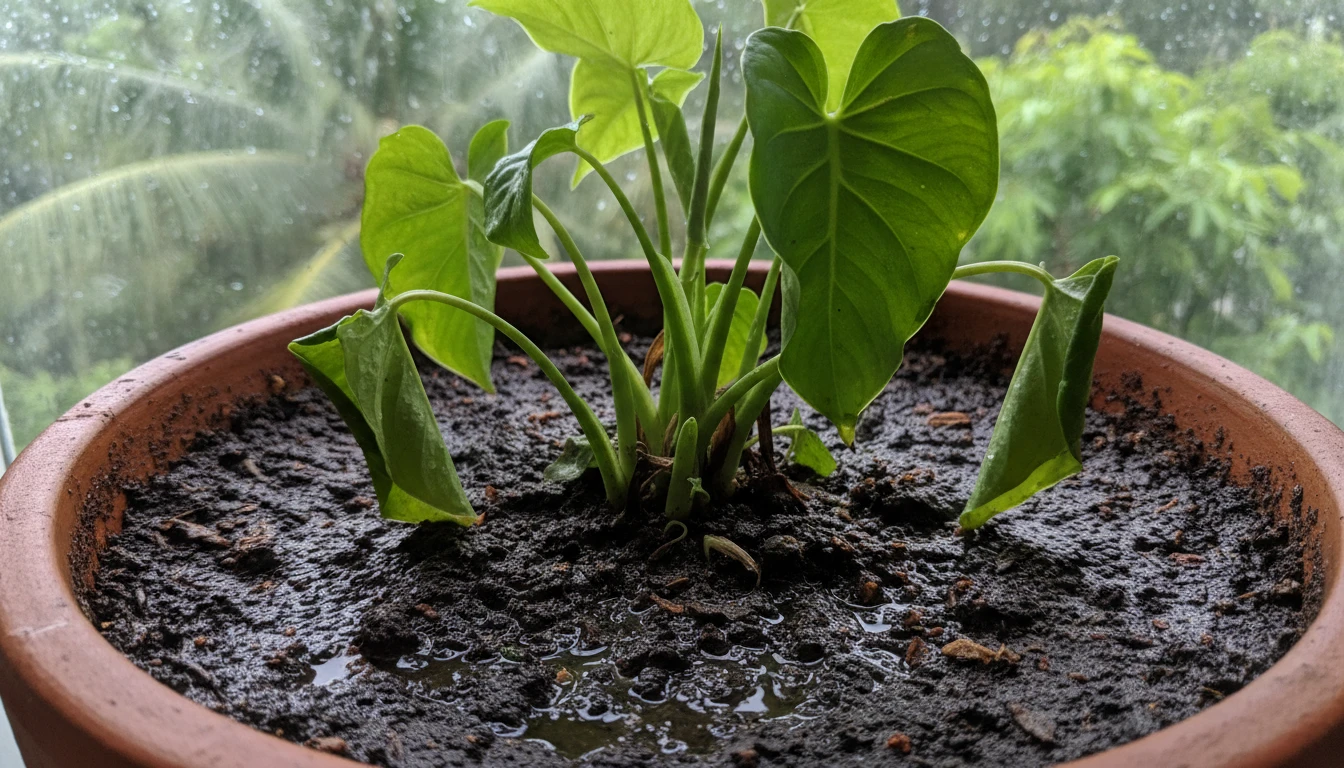
One of the most common ways people accidentally kill their houseplants is through overwatering. It’s an easy mistake to make, but it can lead to root rot, a fatal condition for most plants. Self-watering pots help prevent this by design. Because the plant's roots and the soil pull water up as needed, the soil rarely becomes overly saturated. The system encourages a healthy balance of moisture and aeration. This bottom-up watering method also keeps water off the leaves, which can help reduce the risk of fungal diseases for certain plant species.
Know The Limitations
While effective, these pots are not a one-size-fits-all solution. They are less suitable for plants that prefer their soil to dry out completely between waterings, such as succulents and cacti. The consistently available moisture can be too much for these drought-tolerant species. There's also a higher initial cost compared to standard pots. It’s also important to periodically flush the soil by watering from the top and letting it drain through. This helps to wash away any mineral or fertilizer salts that can build up in the soil over time.
Best Plants for Self-Watering Systems
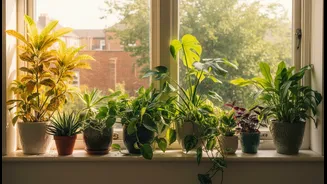
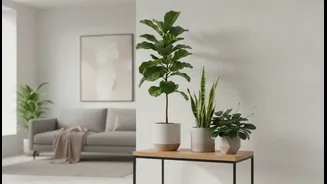
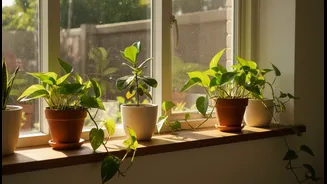
The plants that thrive most in self-watering pots are those that appreciate consistent moisture. Tropical plants, in particular, are excellent candidates. Think of Peace Lilies, Spider Plants, Pothos, and various ferns. Many common herbs like basil and mint also do very well, as they prefer to stay evenly moist. African Violets are another great choice, as they benefit from the bottom-watering approach that keeps their sensitive leaves dry. By matching the right plant to the pot, you set yourself up for a successful and low-maintenance indoor garden.