


The Science vs. The Hype
The idea that houseplants can purify indoor air gained popularity from a 1989 NASA study. It found that in a sealed chamber, certain plants were effective at removing airborne toxins like formaldehyde and benzene. However, it's crucial to understand the
context. Our homes are not sealed space stations; they have natural ventilation that already disperses pollutants. More recent studies have clarified that you would need a very large number of plants to significantly match the air-cleaning rate of a building's ventilation or an air purifier. So, while a few pots won't magically solve the smog problem, they are far from useless. Plants can act as a helpful supplement, contributing to a healthier and more pleasant indoor environment, especially when other measures are also in place.
1. Snake Plant (Sansevieria trifasciata)
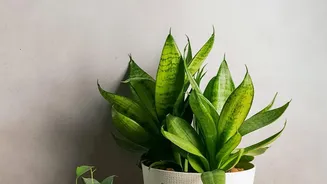
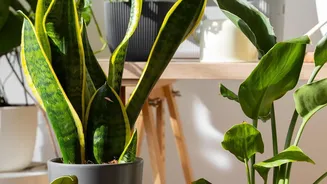
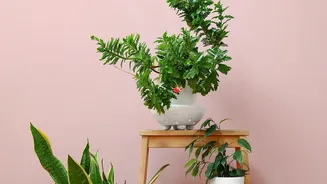
Often called 'mother-in-law's tongue', the Snake Plant is a champion of low-maintenance indoor greenery. It is renowned for its hardiness, tolerating low light and infrequent watering, making it perfect for busy households. What makes it particularly special for smoggy months is its ability to perform photosynthesis at night, releasing oxygen when you sleep. It is effective at filtering toxins like formaldehyde, benzene, and xylene from the air. Its upright, architectural leaves also make it a stylish addition to any room, especially bedrooms.
2. Areca Palm (Dypsis lutescens)
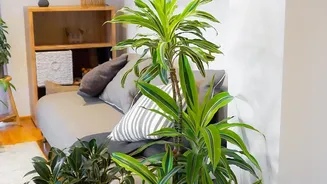
With its lush, feathery fronds, the Areca Palm brings a tropical feel indoors while working hard to clean the air. It is particularly good at filtering xylene and toluene. Beyond just removing toxins, this plant is an excellent natural humidifier, releasing moisture into the air. This can be a significant benefit during Delhi's dry winter months, helping to ease breathing in air-conditioned or heated rooms. The Areca Palm thrives in bright, indirect light and adds an element of soft elegance to living rooms and larger spaces.
3. Money Plant (Epipremnum aureum)
A staple in millions of Indian homes, the Money Plant (or Pothos) is not just considered lucky; it is also a powerful and forgiving air purifier. It excels at removing common household toxins like formaldehyde and carbon monoxide. Its trailing vines look beautiful cascading from shelves or hanging baskets, and it's incredibly resilient, thriving in various light conditions and requiring minimal care. You can grow it in either soil or water, making it a versatile choice for any corner of your home that needs a touch of green.
4. Peace Lily (Spathiphyllum)
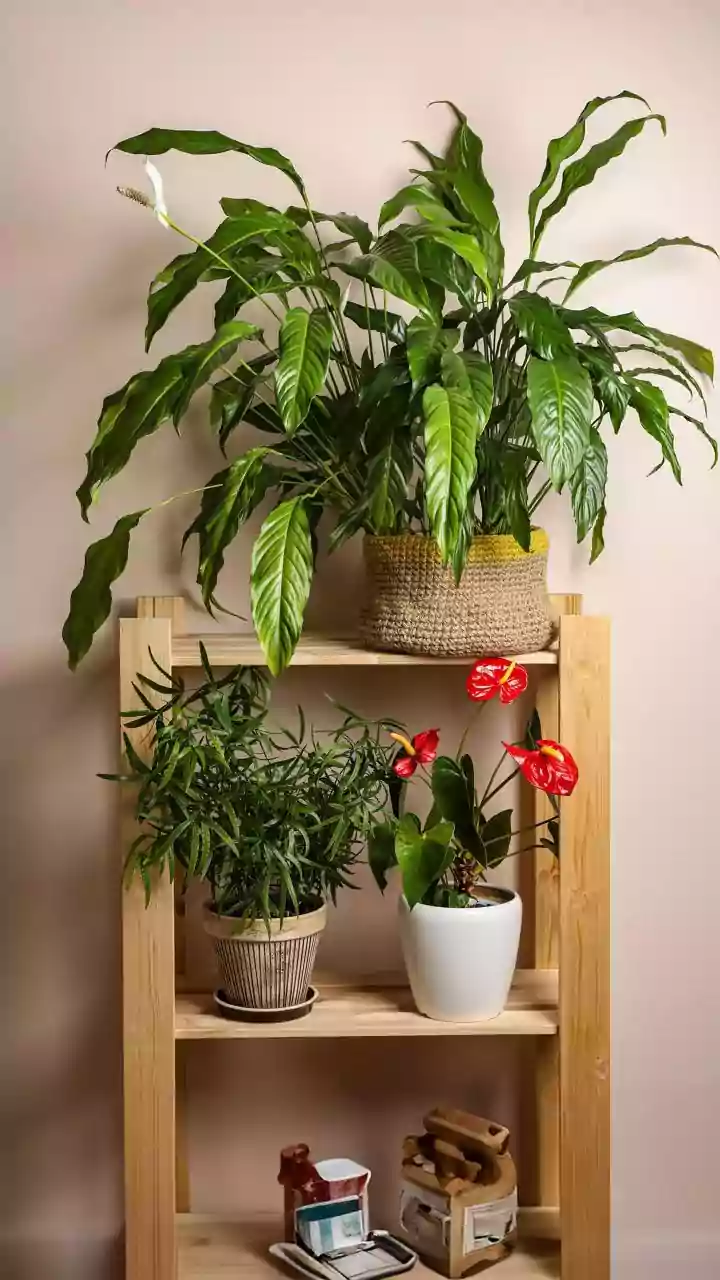
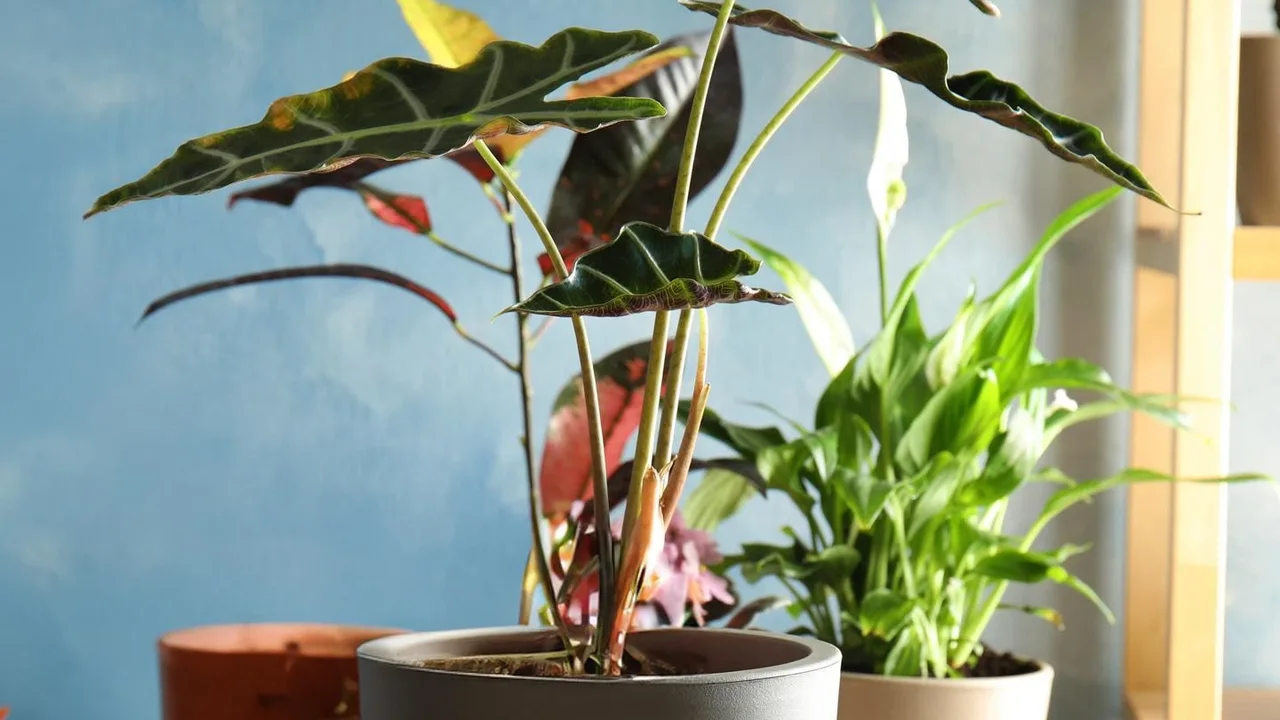
The Peace Lily is admired for its elegant white flowers and glossy, dark green leaves. But it's more than just a pretty face; it is one of the top performers in air purification. NASA's study noted its ability to remove all three of the most common volatile organic compounds (VOCs): formaldehyde, benzene, and trichloroethylene. It also helps tackle ammonia. This plant prefers shady spots and consistently moist soil, making it well-suited for indoor living. A word of caution: the Peace Lily can be toxic to pets if ingested, so it's best placed out of their reach.
5. Spider Plant (Chlorophytum comosum)
For those new to plant parenting, the Spider Plant is an excellent starting point. It's adaptable, fast-growing, and highly effective at filtering pollutants, particularly formaldehyde and carbon monoxide. Its arching leaves and the 'spiderettes' (baby plants) that dangle from the mother plant make it visually interesting, especially in hanging baskets. It's also non-toxic to children and pets, making it a safe and cheerful addition to any family home during the long smog season.
A Realistic Approach to Cleaner Air
Bringing these green companions into your home is a positive step, but they work best as part of a team. During heavy smog, houseplants alone cannot handle the high concentration of pollutants like PM2.5. Their strength lies in filtering specific VOCs and improving the overall ambiance. For comprehensive protection, combine your indoor garden with other proven methods. Use a high-quality air purifier with a HEPA filter, keep windows and doors closed during peak pollution hours, and ensure your home is regularly cleaned to reduce dust. This layered approach will create the safest possible breathing space for you and your family.