


The Power of Simply Standing
Tadasana is the blueprint for optimal posture. While it appears simple, it's an active pose that engages muscles from your feet to the crown of your head. Regular practice improves posture, enhances body awareness, strengthens legs, and calms the mind.
It teaches you how to stand with stability and confidence, which translates not just to other yoga poses but to everyday life. The goal isn't to be rigid like a statue but to be steady and alive like a mountain—grounded, tall, and spacious.
Finding Your Foundation: The Feet
Tension often begins when our base is unstable. Start by standing with your feet either hip-width apart or with your big toes touching and heels slightly apart. Choose what feels most stable for you; a wider stance can help with balance and reduce low-back strain. Lift all ten toes, spread them wide, and then place them back down on the mat. The idea is to distribute your weight evenly across the four corners of each foot: the mound of the big toe, the mound of the little toe, the inner heel, and the outer heel. Feel the connection to the earth beneath you. This groundedness is the first step to releasing tension elsewhere.
Aligning the Body Without Strain
From your stable base, build the pose upwards. Gently engage your thigh muscles by lifting your kneecaps, but be careful not to lock your knees. Maintain a micro-bend to avoid joint strain. Your pelvis should be in a neutral position—not tilting forward or tucking under excessively. Imagine your tailbone lengthening toward the floor as the crown of your head reaches for the sky. This creates length in your spine. Allow your shoulders to relax down and back, away from your ears, opening up your chest. Your arms can rest by your sides with palms facing forward, which encourages this chest-opening.
Common Tension Hotspots
Many people hold tension in predictable places during Tadasana. Check in with your body. Are your shoulders creeping up toward your ears? Is your jaw clenched? Are your hands in tight fists? Are your toes gripping the mat for dear life? These are all signs of unnecessary effort. Consciously soften these areas. Let your jaw be slack, your fingers relaxed, and your toes restful on the mat. The engagement in Mountain Pose should be in your legs and core to create lift and stability, not in your extremities.
The Role of Breath
Your breath is your best tool for dissolving tension. Once you are in the pose, bring your awareness to your breathing. Inhale deeply and feel your spine lengthen. As you exhale, consciously release any tightness you feel. Is your lower back arching? On an exhale, gently draw your lower ribs in. Are your shoulders tight? On an exhale, let them melt further down your back. A steady, even breath calms the nervous system and helps the body find ease within the effort. Holding the pose for five to ten deep breaths can enhance focus and relieve stress.
Helpful Modifications
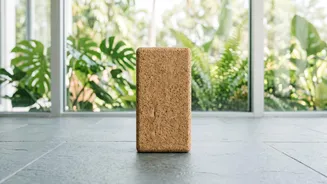
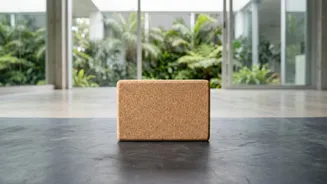
If you struggle with balance or feel discomfort, use modifications to help you find the right alignment. Practicing with your back against a wall is an excellent way to feel what a straight spine is like; your heels, buttocks, and shoulder blades should lightly touch the wall. If you feel unstable, try placing a yoga block between your upper thighs and squeezing it gently to activate your inner thigh muscles and core for better stability. For those with limited mobility, Tadasana can even be practiced while seated in a chair, focusing on a long spine and grounded feet.