



The Magic of One Pan
The beauty of one-pan cooking, whether it’s a sheet pan in the oven or a skillet on the stove, lies in its simplicity. It’s a technique that combines your main components—vegetables, proteins, and starches—into a single vessel, allowing their flavours
to meld together while drastically reducing cleanup time. This method isn't just about convenience; it’s about building a balanced, wholesome meal with less stress. By using the high, dry heat of an oven, you can achieve perfectly roasted vegetables that are tender on the inside and delightfully caramelised on the outside, a texture that’s hard to beat. It’s a forgiving style of cooking perfect for busy weeknights, and a fantastic way to clear out your vegetable drawer.
Choose Your Veggie All-Stars
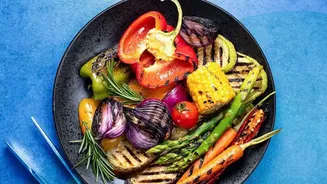
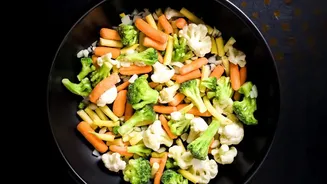
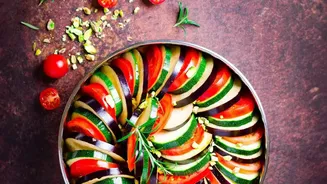
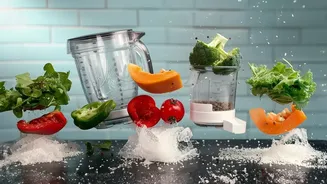
Almost any vegetable can be cooked in a single pan, but the secret to success is understanding their different cooking times. Hard, dense root vegetables like potatoes, sweet potatoes, and carrots need a head start. Softer, quicker-cooking vegetables like bell peppers, broccoli, cauliflower, onions, and zucchini can be added later. To ensure everything cooks evenly, cut ingredients into uniform sizes. Hardy vegetables that take longer should be cut into smaller pieces, while quicker-cooking items can be left larger. Vegetables that roast particularly well include broccoli, cauliflower, potatoes, carrots, bell peppers, and onions. For a final flourish, delicate greens like spinach can be tossed in during the last few minutes of cooking; the residual heat will wilt them perfectly.
Building a Flavour Foundation
A successful one-pan meal is more than just chopped vegetables on a tray; it’s about building layers of flavour. Start with a generous coating of fat, like olive oil, which helps the vegetables crisp up and prevents them from sticking. Don't be shy with seasonings. A simple mix of salt, pepper, garlic powder, and dried herbs can work wonders. For an Indian-inspired twist, try a blend of garam masala, turmeric, cumin, and ginger. You can also incorporate sauces and marinades. Adding a protein makes the meal more substantial. Plant-based options like chickpeas or paneer are excellent additions, as are chicken or fish. For chickpeas, simply drain, rinse, and toss them with the vegetables and spices before roasting.
Three Foolproof Formulas
To get started, think in terms of flavour profiles. For a Mediterranean feel, toss potatoes, bell peppers, zucchini, and red onion with olive oil, oregano, and lemon juice. Add a block of paneer or a can of chickpeas for protein. For a classic Indian-style sabzi, combine cauliflower florets and cubed potatoes with oil, turmeric, cumin seeds, and garam masala. Another simple approach is an Indian-spiced chicken and vegetable roast. Toss chicken pieces, potatoes, broccoli, and cauliflower with a spice blend of curry powder, salt, and pepper, then roast until everything is tender and browned. Serve with a cooling yogurt sauce on the side.
Tips for One-Pan Perfection
There are a few key tricks to avoid common pitfalls. First, don’t overcrowd the pan. Vegetables release moisture as they cook, and if they’re packed too tightly, they will steam instead of roast, resulting in a soggy texture. Use two sheet pans if you need more space. Second, use a high enough oven temperature, typically between 200-220°C (400-425°F), to encourage browning and crisping. For extra crispiness, you can even increase the temperature for the final few minutes of cooking. Finally, consider staggering your ingredients. Start the hardiest vegetables first, and add the more delicate ones partway through the cooking time to ensure everything is perfectly cooked at the same moment.