





Purity and Form: 24K vs 22K
The most fundamental difference between gold coins and jewellery lies in purity, measured in karats. Gold coins are typically struck in 24 karat (24K) gold, which is the purest form at 99.9% gold content. This makes them ideal for investment, as you are buying
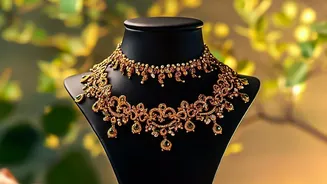
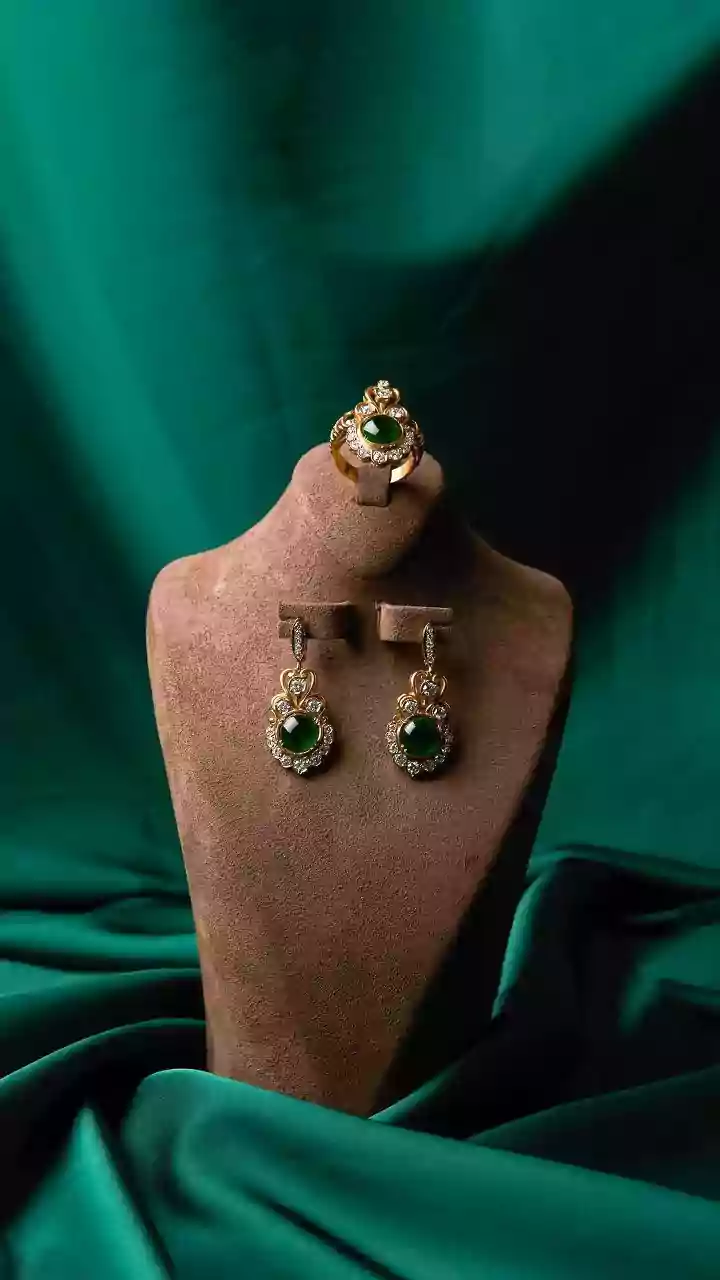
almost pure gold. In contrast, most gold jewellery in India is crafted from 22 karat (22K) gold, which contains 91.6% gold mixed with other metals like silver, zinc, or copper. This alloy is necessary because pure 24K gold is too soft for intricate designs and daily wear; it would easily scratch and bend. While 22K gold is perfect for durable, wearable art, for a pure investor, the higher the karat, the better.
The Cost Factor: Making Charges and GST
Here is where the financial goals diverge sharply. When you buy jewellery, you pay not just for the gold but also for the craftsmanship. These 'making charges' can range from 8% to over 25% of the gold's value, depending on the design's complexity. Gold coins, on the other hand, have minimal manufacturing costs, with making charges typically between 1% and 4%. Furthermore, while the base value of all gold attracts a 3% Goods and Services Tax (GST), the making charges on jewellery are taxed separately at 5%. This means a significant portion of the money you spend on jewellery is a non-recoverable expense, making it a much costlier way to accumulate gold by weight.
Thinking of Selling? Liquidity and Resale Value
Your return on investment is realized at the point of sale, and this is where coins demonstrate their clear financial advantage. When you sell gold coins, their value is based almost entirely on the prevailing market rate for pure gold, making them highly liquid and easy to sell to any jeweller or dealer. When you sell jewellery, however, the jeweller will only pay you for the net weight of the gold at its current purity (22K). The substantial making charges and GST you paid are completely lost. This often results in a resale value that can be 10-15% lower than the initial purchase price, unless gold prices have risen dramatically. Some reports even suggest gold prices need to rise by 25-30% just for a jewellery buyer to break even.
The Emotional and Cultural Equation
Despite the clear financial logic favouring coins, gold jewellery holds an unparalleled place in Indian culture. It is not just a commodity but a vessel of emotion, tradition, and memory. Jewellery is worn, celebrated, and passed down through generations, becoming part of a family's legacy. A pair of wedding bangles or a necklace gifted at a festival carries a value that cannot be measured in grams or karats. While coins may sit silently in a locker as a hedge against inflation, jewellery lives a vibrant life, serving a dual purpose of adornment and a store of value, albeit a less efficient one.
Tax Implications on Your Gold
From a taxation perspective, there is little difference in how gold coins and jewellery are treated once you own them. For tax purposes, both are considered capital assets. If you sell either at a profit, you will be liable to pay capital gains tax. If held for more than 24 months, the profit is considered a Long-Term Capital Gain (LTCG) and is taxed accordingly. The key difference remains at the point of purchase: the higher initial outlay for jewellery due to making charges and the associated GST means your capital is working less efficiently from day one.