






The Heart of the Proposal
The Goa Forest Department has formally requested that the Department of Environment and Climate Change include fourteen beaches in South Goa and ten in North Goa as protected turtle nesting sites under the Coastal Regulation Zone (CRZ) Notification, 2019.
This move aims to provide a legal framework for stricter conservation measures, especially during the nesting season of the vulnerable Olive Ridley sea turtles. Currently, only a few beaches like Morjim, Agonda, and Galgibaga have this formal recognition. The proposal comes amid concerns over fluctuating nesting numbers, which saw a dip in the 2026 season after a strong showing in previous years, prompting calls for more robust protection.
The Beaches in Focus
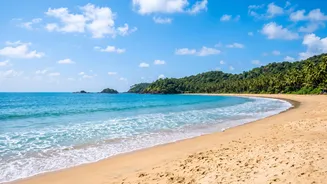
The proposal for South Goa is extensive, targeting some of its most famous and ecologically sensitive coastlines. The fourteen beaches named are Rajbag, Mobor, Cavelossim, Varca, Carmona, Baina, Cola, Palolem, Patnem, Talpona, Cabo de Rama, Agonda, and Galgibaga. Notably, Agonda and Galgibaga are already well-established conservation sites managed by the Forest Department, known for their successful hatchery programmes. The list also includes highly popular tourist destinations like Palolem and Varca, setting the stage for a complex balancing act between ecological preservation and economic activity. Eight of the fourteen proposed southern beaches are located within the Canacona taluka alone.
Why These Beaches Matter for Olive Ridleys
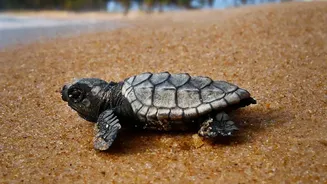
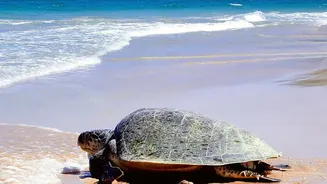
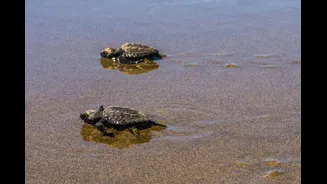
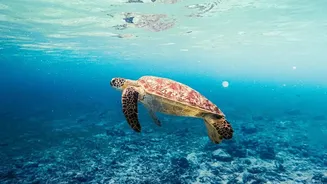
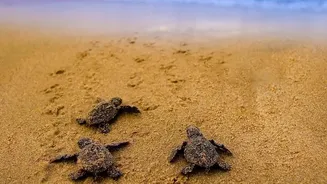
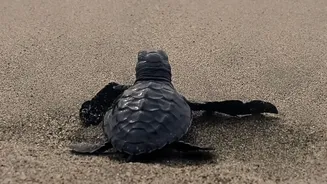
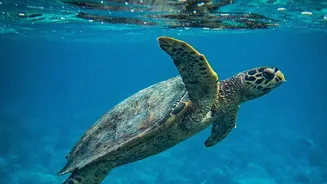
Goa's coastline is a crucial habitat for the Olive Ridley turtle, a species recognised globally as vulnerable. Every year, between November and March, female turtles return to these specific sandy shores—often the very beaches where they were born—to lay their eggs. This nesting season unfortunately coincides with Goa's peak tourist season. Artificial lighting from shacks and resorts can disorient nesting females and hatchlings, while noise and human activity can deter them from coming ashore altogether. Protecting these specific beaches is therefore critical for the survival of the species, as only an estimated one in a thousand hatchlings survives to adulthood.
What 'Protection' Could Mean in Practice
If the proposal is accepted, the designated beaches would fall under the CRZ-I category, which is reserved for ecologically sensitive areas. This would empower authorities to implement stricter regulations. Measures could include tighter controls on artificial lighting, restrictions on the operation of beach shacks, bans on vehicle movement on the sand, and limits on loud events during the nesting season. The goal is to minimise human disturbance that can fatally disrupt the nesting process. It also involves managing beach cleanliness to keep away predators like stray dogs that are attracted to garbage and can dig up nests.
Balancing Turtles and Tourism
The proposal has sparked significant concern among local communities and business owners who depend on beach tourism. Organisations like the Shack Owners Welfare Society have voiced fears that sweeping restrictions could devastate livelihoods, especially in areas like Canacona where the economy is heavily reliant on tourism. Stakeholders argue they are not against conservation but are calling for a balanced approach and clarity on the exact nature of the proposed rules. They stress that local communities have often played a cooperative role in conservation and that abrupt, top-down regulations could erode this vital partnership. The challenge lies in creating a framework where conservation and livelihoods can coexist, potentially through carefully managed eco-tourism.