


From Home Feasts to High-End Tables
For generations, the soundtrack of Indian festivals has been the sizzle of spices and the chatter of family in the kitchen. Meals like the Onam Sadhya or a Diwali feast were elaborate, home-bound affairs, with recipes passed down like heirlooms. These
meals were more than just food; they were a community activity, a form of worship, and the very heart of the celebration. But as urban life accelerates, nuclear families become the norm, and time becomes a luxury, replicating these multi-dish extravaganzas at home is increasingly difficult. In response, a growing number of Indian restaurants and star chefs are stepping in, not just to offer convenience, but to elevate these traditional meals into destination dining events.
Curated Menus and Culinary Storytelling
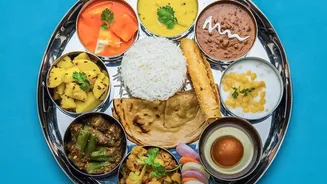
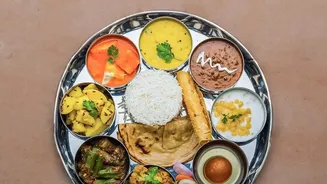
Today, it's not uncommon to see five-star hotels and acclaimed restaurants across cities like Mumbai, Delhi, and Bengaluru offering elaborate festive menus. During Onam, for instance, restaurants present a full Sadhya, a vegetarian feast with over 20 specific dishes served on a banana leaf, in a fine-dining setting. Similarly, Diwali and Navratri see chefs curating special tasting menus and thalis that go far beyond the standard fare. These are not just meals; they are thoughtfully designed experiences. Chefs are acting as cultural curators, researching regional delicacies, reviving forgotten recipes, and presenting them with modern flair. Events like 'The Gathering' in Mumbai and Delhi bring together top chefs and artists to create exclusive, story-driven dining pop-ups that will only happen once, turning a meal into a coveted cultural moment.
The Driving Forces of a New Tradition
Several factors are fueling this shift. The primary driver is convenience. For busy urbanites, dining out offers a way to honour tradition without the days of prep work. Another key factor is the rise of a discerning foodie culture, where diners actively seek authentic, regional, and unique culinary experiences. Social media also plays a role, with the visual appeal of a beautifully arranged thali or a chef’s innovative creation becoming highly shareable content. For many young Indians living away from home, these restaurant feasts offer a taste of nostalgia and a connection to their roots that they might otherwise miss. It’s a way to participate in the cultural practice of a festival meal, even without a family kitchen nearby.
More Than a Meal, It's an Experience
What makes these festive menus a 'destination' is the holistic experience. Restaurants create an immersive ambience with traditional decor and music, aiming to transport diners. At hotels like JW Marriott or The Leela, an Onam Sadhya might come with a poolside view or a luxurious, elegant setting that adds to the sense of occasion. It combines the authenticity of the food with the comfort and polish of high-end hospitality. This trend also extends beyond India, with restaurants in places like Dubai and New York offering elaborate Onam feasts, demonstrating the global appeal of these cultural dining experiences. These events are less about just eating and more about celebrating culture in a communal, yet curated, environment.