




How Pollution Harms Your Eyes
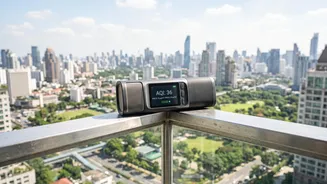
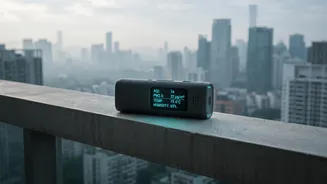
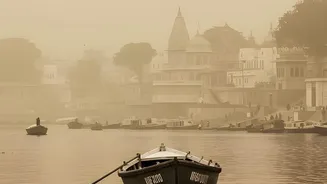
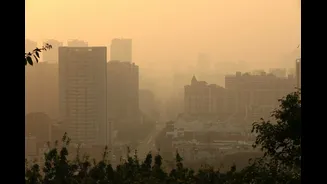
The air in heavily polluted cities like Delhi is a cocktail of harmful particles and gases. Fine particulate matter (PM2.5 and PM10), nitrogen dioxide, and other toxins settle on the surface of your eyes, disrupting the natural tear film that keeps them
lubricated and protected. This exposure is what causes that all-too-familiar burning sensation, redness, excessive watering, and a gritty feeling, as if sand is stuck in your eye. For many, this leads to conditions like dry eye syndrome or allergic conjunctivitis, where the eyes become inflamed and hypersensitive.
The Hidden Dangers of Rubbing
Rubbing your eyes might offer a moment of satisfaction, but it's a risky move. When your eyes are already irritated by pollutants, rubbing can push these tiny, abrasive particles across the delicate surface of your cornea, the eye's transparent outer layer. This is like scrubbing a sensitive surface with sandpaper, and it can lead to microscopic scratches known as corneal abrasions. Furthermore, vigorous rubbing can break tiny blood vessels, causing redness, and can even trigger the release of more histamines—the very chemicals that cause itching—making the initial problem feel much worse.
Understanding Corneal Abrasions
A corneal abrasion is a scratch on your eye's surface that can be incredibly painful. Symptoms often include a persistent feeling that something is in your eye, sharp pain, redness, extreme sensitivity to light, and blurred vision. While minor scratches often heal on their own, a deeper abrasion caused by rubbing in dirt or pollutants creates an opening for bacteria to enter, increasing the risk of a serious eye infection. In some rare but severe cases, chronic and forceful rubbing has been linked to a condition called keratoconus, where the cornea weakens and bulges into a cone shape, causing significant vision distortion.
Safer Ways to Find Relief
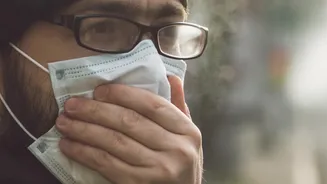
Instead of giving in to the urge to rub, there are several safer and more effective ways to soothe your pollution-plagued eyes. First, gently rinse your eyes with clean, cool water to flush out irritants. Using preservative-free lubricating eye drops, often called artificial tears, can help restore moisture and wash away debris. A clean, cold compress placed over your closed eyelids can also reduce inflammation and calm the itching sensation. When you know you'll be outdoors on a high-pollution day, wearing wraparound sunglasses acts as a physical barrier, shielding your eyes from dust and airborne particles.
When to Consult a Doctor
While most pollution-related eye irritation is temporary, certain symptoms should not be ignored. If you experience persistent or severe eye pain, a noticeable change in your vision, extreme light sensitivity that doesn't subside, or a thick, coloured discharge from your eye, it is crucial to see an ophthalmologist. These could be signs of a more serious issue like a significant corneal abrasion or an infection that requires medical treatment. Eye care specialists report a major spike in patients with these complaints during peak smog season, so getting professional advice is a common and necessary step for many.