







The Monsoon Dehydration Myth
When the temperature drops and the air is thick with moisture, thirst isn't the first thing on our minds. This is the great deception of the monsoon season. Many people mistakenly believe that since it's not scorching hot, the need for water decreases.
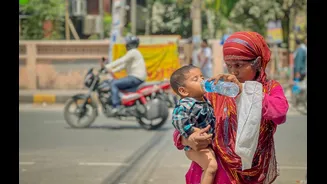
However, high humidity presents a unique challenge to our bodies. Humidity is the amount of water vapour in the air. When it's high, the air is already saturated, which means your sweat can't evaporate effectively. [18, 21] Evaporation is the body's primary cooling mechanism. [18] Without it, your body works overtime trying to cool down, leading to more sweating and a sneaky loss of fluids and essential salts called electrolytes. [4, 18] This can lead to dehydration even when you don't feel particularly hot or thirsty. [15]
Beyond Thirst: Signs You Need More Water
Thirst is actually a late sign of dehydration. By the time you feel thirsty, your body may already be mildly dehydrated. [22] During the monsoon, it's important to watch for more subtle signs. These can include persistent headaches, fatigue, dizziness, and muscle cramps. [20, 21] Another clear indicator is the colour of your urine; dark yellow or amber-coloured urine signals that your body needs more fluids. [22] Other symptoms can include dry skin, a dry mouth, and feeling unusually irritable or unable to focus. [4, 20] Paying attention to these early warnings can help you stay ahead of dehydration and keep your body functioning optimally. [16]
Safe Sips: Avoiding Waterborne Illnesses
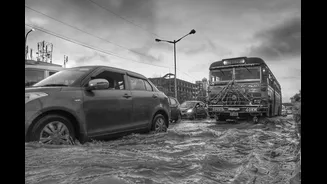
The monsoon is notorious for an increased risk of waterborne diseases like cholera, typhoid, gastroenteritis, and hepatitis A. [2, 23] Heavy rains can cause sewage systems to overflow, contaminating groundwater and public water supplies. [8, 23] Therefore, how you hydrate is just as important as how much. It is crucial to drink only water that has been purified. The safest practice is to boil water for at least one minute before drinking it. [28] Using a reliable water filter is another good option. Avoid drinking water from unknown sources and be cautious with street food, especially items like chutneys and salads that use raw water. [2, 11] Always use clean or boiled water for washing fruits and vegetables as well. [27]
Smarter Hydration: What to Drink and Eat
While clean water is your best friend, you can also hydrate effectively through other beverages and foods. Warm herbal teas with ingredients like ginger, tulsi, or cinnamon are excellent choices; they not only provide fluids but can also help boost immunity and aid digestion. [14, 19] Traditional Indian drinks like buttermilk (chaas) and coconut water are fantastic for replenishing electrolytes lost through sweat. [9] Clear soups and broths are also a great way to stay hydrated while getting extra nutrients. [9] Furthermore, many fruits and vegetables have high water content. Including items like cucumber, watermelon, and oranges in your diet can contribute to your daily fluid intake. [28]
Drinks to Limit During the Monsoon
Just as some drinks help, others can hinder your hydration efforts. While a hot cup of chai is a classic monsoon comfort, excessive consumption of caffeinated beverages like coffee and strong tea can have a diuretic effect, causing you to lose more fluids. [14] Similarly, it’s wise to limit sugary drinks and sodas. These beverages can contain high amounts of sugar that don't effectively hydrate your body and can sometimes interfere with your metabolism. Sticking to natural and simple drinks is the healthiest approach to maintaining fluid balance during the rainy season.