





The Limits of Yesterday’s Engineering
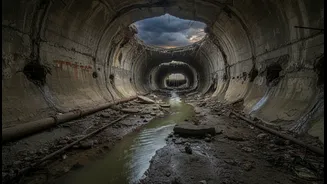
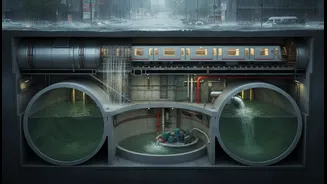
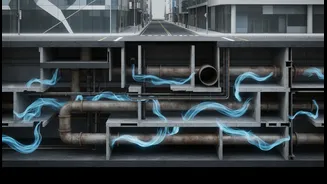
For decades, the answer to urban flooding in India has been more of the same: bigger pipes, wider drains, and a whole lot of concrete. This 'grey infrastructure' approach focuses on one thing — getting rainwater off the streets and into drainage systems
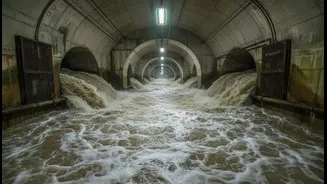
as quickly as possible. However, with increasingly intense and unpredictable rainfall driven by climate change, coupled with rapid, often unplanned urban expansion, this old playbook is proving insufficient. Traditional drainage systems, many designed for historical rainfall patterns, are frequently overwhelmed. The sheer volume of water has nowhere to go, turning bustling city roads into canals and exposing the vulnerability of our built environment. The reliance on simply channelling water away is a reactive strategy, and as our cities grow denser, it's a battle that conventional engineering is starting to lose.
Enter: The Data-Driven Downpour
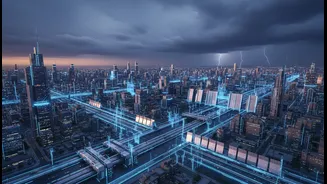
The first major shift in this new scientific approach is the power of prediction. Forget generalized city-wide alerts; the future is in hyper-local forecasting powered by artificial intelligence and machine learning. Institutes like IIT Bombay are developing AI systems that can predict potential flooding in specific neighbourhoods up to 90 minutes in advance by analysing real-time weather data from multiple sources. On a larger scale, the India Meteorological Department (IMD) has recently launched an AI-enabled system to provide block-level monsoon forecasts weeks ahead. By combining advanced computer models with vast datasets, these tools can simulate how water will behave, identifying not just when a flood might occur, but its potential severity. This allows authorities to move from reactive clean-up to proactive preparation, deploying resources more effectively and issuing timely, specific warnings to citizens.
Making Cities More Like Sponges
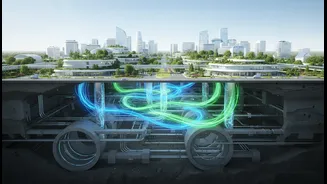
Perhaps the most revolutionary idea gaining ground is to stop fighting the water and start working with it. This is the core principle behind 'Sponge Cities' and 'Nature-Based Solutions' (NBS). Instead of creating impermeable concrete jungles, this approach uses green infrastructure to mimic how natural landscapes absorb rainfall. Think permeable pavements that allow water to seep into the ground, interconnected green spaces that can hold excess water, and rooftop gardens that capture rain where it falls. Cities like Chennai are already putting this into practice with the development of 'sponge parks' — open areas designed to absorb, filter, and store stormwater, reducing flood risk while also recharging precious groundwater. These solutions don't just manage floods; they also help reduce urban heat, improve air quality, and create more liveable public spaces.
Learning from Nature's Own Infrastructure
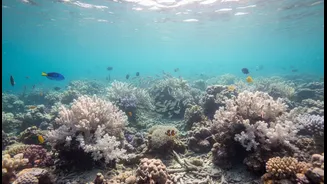
The wisdom of nature-based solutions is not entirely new. For years, the East Kolkata Wetlands, a vast 12,500-hectare network of natural water bodies, have served as a giant sponge for Kolkata, absorbing excess monsoon runoff and protecting the city from severe flooding. This remarkable ecosystem demonstrates on a massive scale what modern science is now seeking to replicate in urban design. The concept is simple: wetlands, lakes, and even small urban forests act as natural buffers. By preserving and restoring these ecological assets, cities can enhance their resilience in a way that is often more effective and sustainable than expensive engineered structures alone. This shift involves treating natural drainage channels and floodplains as critical infrastructure, not as vacant land to be built upon.
The Road Ahead is Still Under Construction
While the science is promising, transforming India's cities into climate-resilient hubs is a monumental task. Implementing these new technologies and nature-based solutions requires significant investment, updated urban planning regulations, and political will. Retrofitting densely packed older cities with green infrastructure presents a unique set of challenges compared to planning new developments. Furthermore, there is a need for a coordinated effort between various government agencies, urban planners, engineers, and local communities to ensure these strategies are implemented effectively. The transition from a purely concrete-and-pipe mindset to an integrated, science-led approach is a long-term project. However, the conversation has decisively shifted, marking the beginning of a new era in how we design our cities to live with, rather than against, the monsoon.