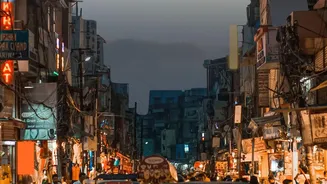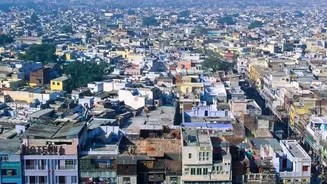






In an era of one-click checkouts and sprawling malls, a quiet but powerful shift is happening. Indian shoppers are increasingly returning to the vibrant, bustling local markets, seeking something that modern retail often struggles to provide.
The Search for Authenticity
In a world
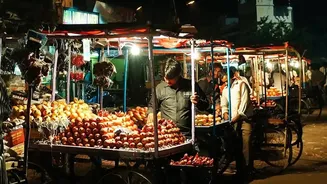
saturated with mass-produced goods, there is a growing hunger for the real thing. A recent survey revealed that over half of Indian consumers prefer to buy from homegrown and small businesses. This trend is not just about 'Made in India' pride; it's a deeper search for authenticity. Shoppers are looking for products with a story, whether it's hand-ground spices from a family-run store, locally sourced produce, or artisanal crafts that reflect regional heritage. This desire for authenticity stems from a perception that local products offer better quality, value for money, and are often healthier. The sterile packaging of a supermarket cannot compete with the experience of buying fresh, fragrant goods from a vendor who knows their product's origin.
More Than a Transaction
The other key driver behind this shift is the demand for personal service. For many, shopping at a local 'kirana' store or market is a relationship, not just a transaction. A study highlighted that an overwhelming 70% of Indian consumers value personalised shopping experiences and knowledgeable staff. Local vendors often remember their customers' preferences, offer credit, and provide a level of trust and familiarity that large, faceless corporations cannot replicate. This personal touch makes customers feel valued and understood, fostering a powerful sense of loyalty. While large retail chains are now trying to replicate this with personal shopper services, the neighbourhood shopkeeper has been mastering this for generations.
A Sensory Experience
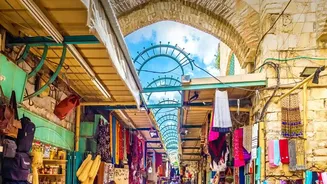
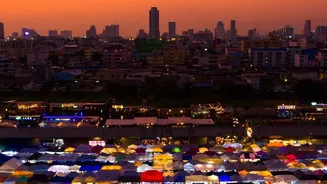
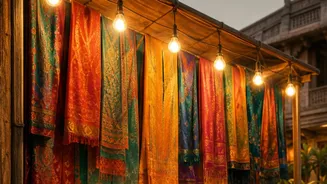
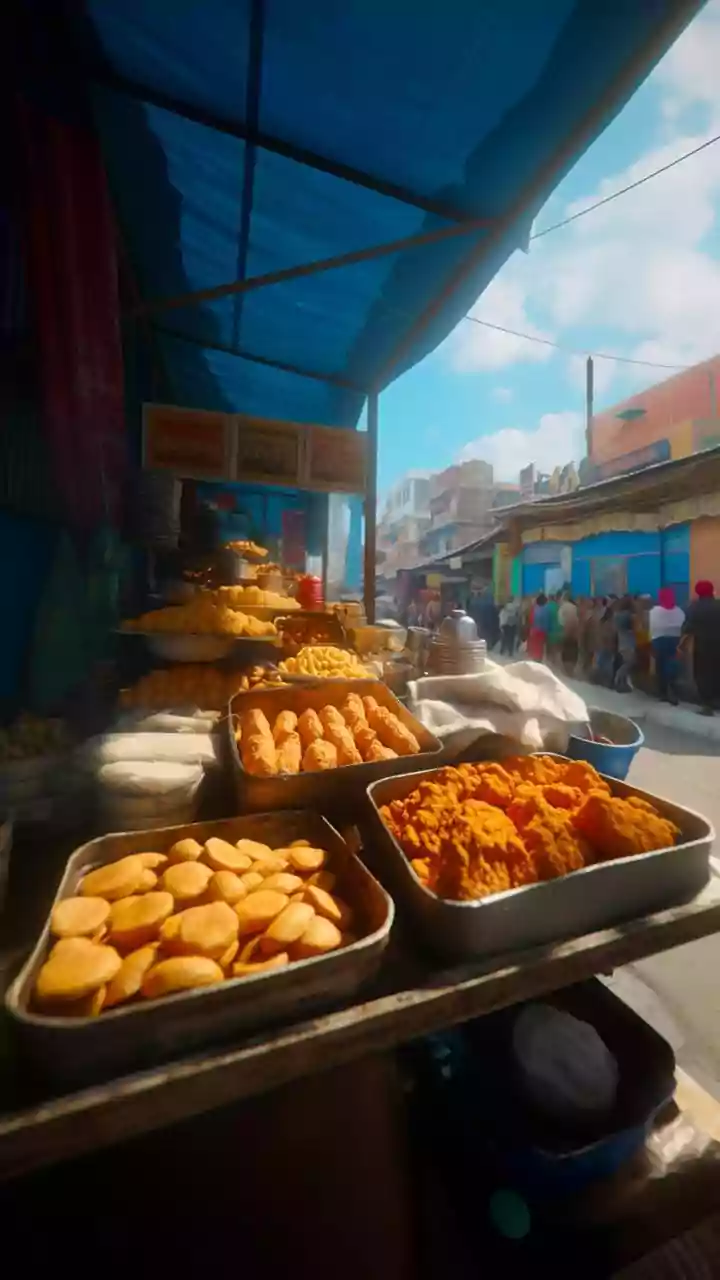
Local markets engage all the senses in a way that online shopping and air-conditioned malls simply cannot. The vibrant colours of fresh flowers and vegetables, the chatter of bargaining, the aroma of street food and spices—it's an immersive cultural experience. This environment provides a welcome contrast to the often impersonal and sterile nature of modern retail. It transforms shopping from a chore into an outing, a way to connect with the community and the culture. This focus on experience is becoming increasingly important for consumers who are seeking more than just a product; they are seeking a feeling and a connection.
The Resilient and Evolving Kirana
Far from being relics of the past, local markets and kirana stores have shown remarkable resilience. During the pandemic, when complex supply chains of larger retailers faltered, these neighbourhood stores became lifelines, demonstrating their agility and deep community roots. They are not, however, rejecting modernity. Many have adapted by embracing technology, using digital payment systems like UPI and taking orders via WhatsApp. This blend of tradition and technology allows them to offer the convenience customers have come to expect without sacrificing the personal touch that makes them unique. They are not being replaced by e-commerce; they are being upgraded by it, proving that the future of Indian retail is not a battle between old and new, but a blend of both.