





How Do Hydrogen Trains Work?
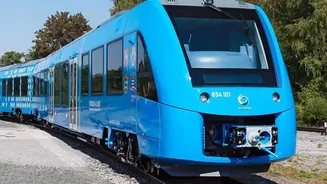
Imagine a train that runs on electricity but carries its own clean power plant. That's essentially a hydrogen locomotive. Instead of drawing power from overhead electric lines or burning diesel, these trains use hydrogen fuel cells. Inside the fuel cell,
hydrogen stored in onboard tanks chemically reacts with oxygen from the air. This electrochemical process generates electricity to power the train's motors. The only byproduct is water vapour, making them a zero-emission mode of transport at the point of use. This technology is especially valuable for routes where electrification is geographically difficult or not economically viable.
India's Leap: The 'Hydrogen for Heritage' Initiative
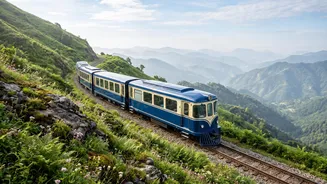
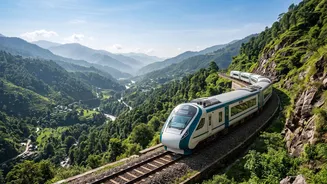
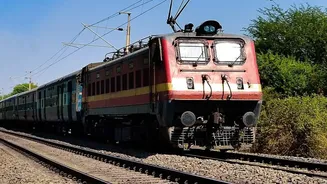
Indian Railways has taken its first concrete step into this new era with the 'Hydrogen for Heritage' initiative, which aims to run 35 hydrogen trains on scenic and heritage routes. The first of these, a domestically developed hydrogen-powered train, began commercial service on the Jind-Sonipat route in Haryana in July 2026. This pilot project, part of the broader vision of 'Atmanirbhar Bharat', places India in a select group of nations like Germany and Japan that are testing hydrogen rail technology. The initial launch serves as a crucial technology demonstrator, providing invaluable data for future deployments across the network.
The Breakthrough Benefits for India
The shift towards hydrogen power offers a multi-pronged victory for India. Environmentally, it directly addresses air pollution by eliminating emissions of carbon dioxide, nitrogen oxides, and particulate matter typical of diesel engines. This is a significant step towards the nation's climate goals, including its commitments under the Paris Agreement. Economically, it supports India's energy security by reducing dependence on imported diesel fuel. Furthermore, by embracing 'green hydrogen'—produced using renewable energy like solar or wind—the railway's transition can help build a robust domestic green energy ecosystem, in line with the National Green Hydrogen Mission.
Real-World Challenges and the Road Ahead
Despite the immense potential, the journey is not without its challenges. The initial rollout on the Jind-Sonipat line has seen lower-than-expected passenger numbers, prompting officials to consider extending the route to Delhi to improve ridership. Beyond logistics, the high costs associated with producing green hydrogen and manufacturing fuel cell systems remain significant hurdles for wide-scale adoption. The current projects are best viewed as critical pilot programs to test operational feasibility, safety, and commercial viability. The long-term success will depend on reducing costs, building robust refueling infrastructure, and scaling up green hydrogen production.