







The Unwanted Extra Ingredient
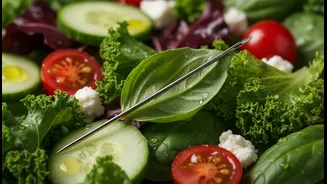
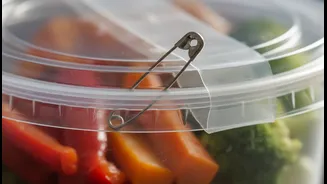
We’ve all been there. Finding a foreign object in our food is an instant appetite killer. For years, one of the most common offenders in takeaway parcels has been the humble staple pin. Used to seal paper bags, secure plastic containers, or fasten bills
to a package, these small metal objects have a notorious habit of coming loose. They can easily fall into your meal unnoticed while you open the parcel. Besides staples, other culprits include brittle plastic tabs from container lids that snap off or pieces of adhesive tape that lose their stickiness and land in your gravy. While it may seem like a minor inconvenience, the presence of these items in our food chain poses a genuine health hazard.
More Than Just an Annoyance
The danger of accidentally swallowing a foreign object from food packaging is significant. A metal staple, even a small one, can cause serious injury if ingested. Medical experts warn that these objects can lead to cuts in the mouth and throat, choking hazards, and even damage to the digestive system. In some cases, a pin can get lodged in the food pipe, causing lacerations that require emergency medical attention. Beyond the immediate physical danger, there are also concerns about contamination from rust or germs that these objects might carry. The Food Safety and Standards Authority of India (FSSAI) has noted several instances where metallic pins were found in food packages, highlighting it as a serious food safety hazard.
What the Rulebook Says
Recognising these dangers, India's food safety regulator has taken a firm stand. The FSSAI has explicitly prohibited the use of staple pins, metal wires, and similar objects for packing or sealing food items. This directive, issued in the interest of public health, applies to all food business operators, including restaurants, bakeries, and sweet shops. According to the FSSAI, any business found violating this rule will face penal action under the Food Safety and Standards Act, 2006. This ban is part of a broader set of regulations aimed at ensuring all materials that come into contact with food are safe and 'food grade'. The rules mandate that packaging must protect food from contamination and not transfer any harmful substances.
The Rise of Smarter Sealing
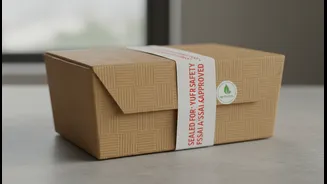
With the FSSAI cracking down on unsafe practices, many businesses are adopting better and safer alternatives for their takeaway parcels. The most common and effective replacements include heat sealing, food-grade adhesives, and tamper-proof packaging designs. Many modern containers now come with integrated locking mechanisms, where the lid securely clicks into place without the need for any external fasteners. These designs not only prevent spillage but also eliminate the risk of loose parts. For paper bags and boxes, strong, food-safe adhesive tapes are replacing staples. Some innovative brands are also exploring sustainable solutions like paper-based seals, compostable containers made from materials like sugarcane, and interlocking cardboard designs that secure the package without any extra components. These innovations ensure that the only things in your food parcel are the items you actually ordered.
Your Role as a Conscious Consumer
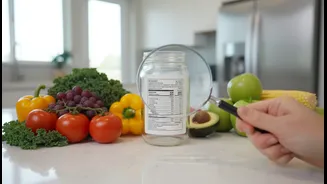
While regulators and businesses have a responsibility to ensure food safety, consumers also play a crucial role. When you receive a takeaway order, take a moment to inspect the packaging. If you notice staples or other potentially hazardous materials being used, it's worth bringing it to the attention of the restaurant. Providing feedback can encourage them to switch to safer alternatives. If you find a foreign object in your food, you should report the incident. By choosing to order from establishments that prioritise safe and hygienic packaging, customers send a clear message to the market. This collective consumer awareness can accelerate the industry-wide shift towards closures that are secure, convenient, and, most importantly, incapable of falling into the food.