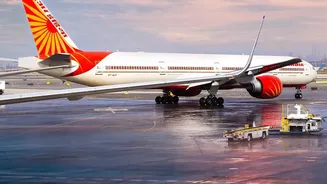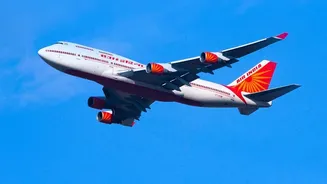




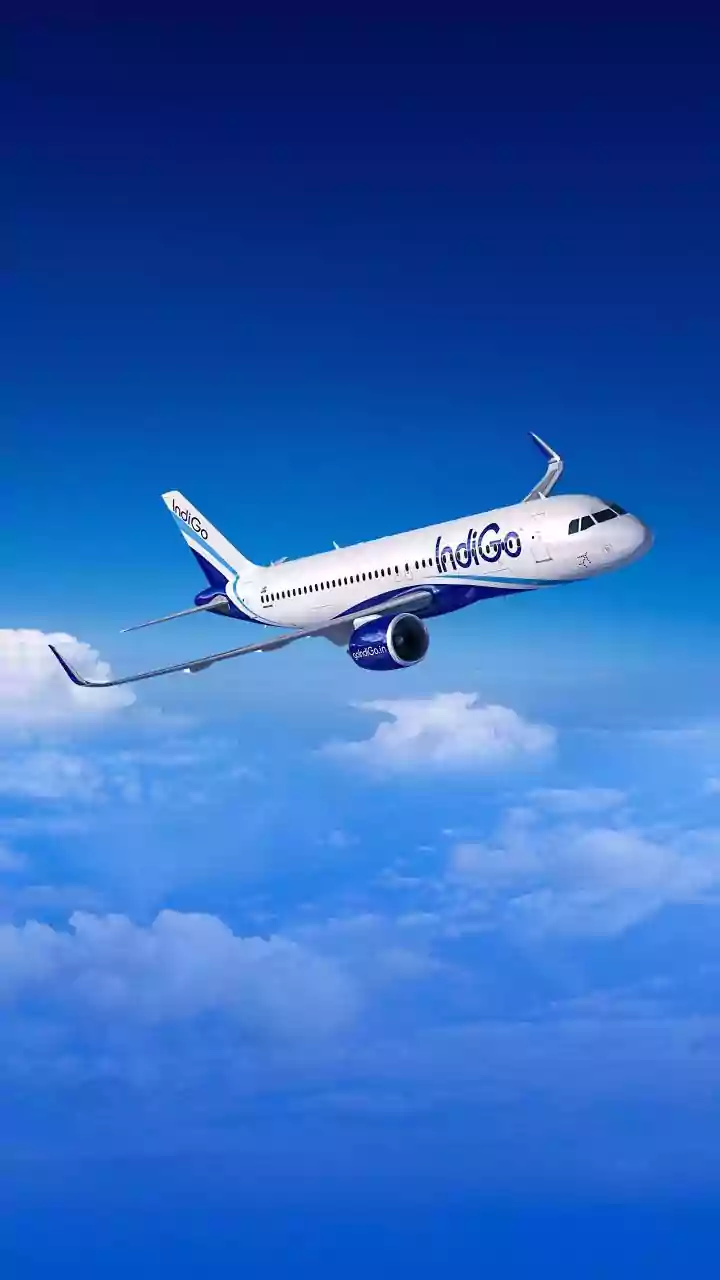
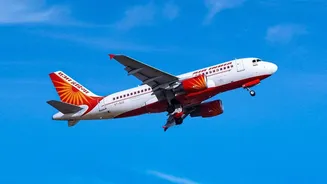
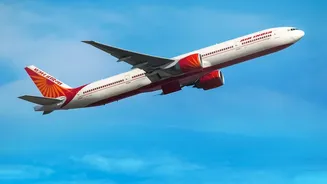

An Unprecedented Demand for Air Travel
India is currently one of the world's fastest-growing aviation markets. A burgeoning middle class, rising disposable incomes, and a government push for greater regional connectivity have created a massive surge in demand for air travel. This boom is reflected
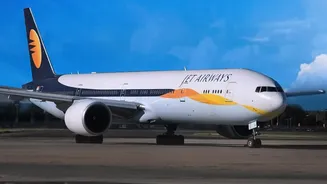
in the ambitious fleet expansion plans of the country’s major carriers. Airlines like IndiGo, Air India, and Akasa Air have placed record-breaking orders with global manufacturers Airbus and Boeing, totaling over 1,200 aircraft. In fact, the demand is so acute that Union Commerce and Industry Minister Piyush Goyal recently stated India needs over 2,000 aircraft and is ready to order another 1,000 to close the capacity gap.
The Global Production Bottleneck
Despite the massive orders, the planes are not arriving fast enough. The world’s two dominant aircraft manufacturers, Airbus and Boeing, are grappling with significant production challenges that began during the pandemic and persist today. These issues stem from a beleaguered global supply chain, where shortages of critical components like engines, as well as raw materials and skilled labor, are causing significant delays. Both companies are facing immense pressure to ramp up production but are struggling to meet their ambitious targets. For instance, Boeing is working to stabilize its 737 production, while Airbus also faces its own supply chain hurdles, impacting its popular A320 family. This global manufacturing crunch means the worldwide order backlog has swelled to nearly 17,000 aircraft, creating long wait times for airlines everywhere, including in India.
The Direct Impact on Indian Airlines and Passengers
For Indian airlines, these delays are more than just an inconvenience; they are a direct threat to their growth strategies. A delayed aircraft delivery can disrupt an airline's entire fleet plan, prevent the opening of new domestic and international routes, and complicate crew training and recruitment. Air India’s outgoing CEO, Campbell Wilson, expressed regret that delivery delays had hampered the airline's transformation and growth plans. For passengers, the consequences could manifest as fewer flight options, especially on new routes, and potentially higher airfares as capacity struggles to keep up with soaring demand. Airlines are sometimes forced to lease older aircraft at higher rates, which increases operational costs and can reduce profitability.
Government Pushes for Solutions
The Indian government is keenly aware of the situation and is actively pushing manufacturers for faster deliveries. The issue is not just about airline expansion but is linked to broader national goals of improving infrastructure and international connectivity. Minister Piyush Goyal noted that more aircraft are essential for launching new routes to destinations like Egypt, bolstering trade and tourism. The delivery delays also highlight the strategic importance of the 'Make in India' initiative. While global aerospace giants already source billions in components from India, the government is keen to see an expansion of manufacturing and final assembly lines within the country to build a more resilient domestic aviation ecosystem.