






India's rich tapestry of history and nature may soon gain new global recognition. Three diverse and spectacular sites—two from the Andaman Islands and one from Chhattisgarh—have been added to the nation's tentative list for UNESCO World Heritage status.
The Journey to Global Recognition
Before a site can earn the prestigious UNESCO World Heritage badge, it must first be placed on its country's 'Tentative List'. This is a crucial first step—an inventory of sites that a nation believes have 'Outstanding Universal Value' and intends to nominate in the coming years. Inclusion on this list is a mandatory prerequisite, kicking off a long and rigorous process. The journey involves compiling an exhaustive nomination file, which is then independently evaluated by expert bodies like the International Union for Conservation of Nature (IUCN) for natural sites and the International Council on Monuments and Sites (ICOMOS) for cultural ones. These bodies make their recommendations, but the final decision rests with the World Heritage Committee, which meets once a year to decide which global treasures to inscribe on the coveted list.
Andaman's Twin Geological Marvels
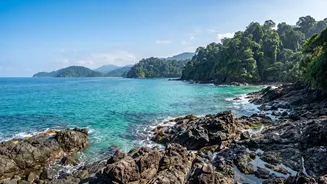
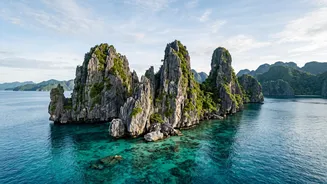
The Andaman and Nicobar Islands, an ecological paradise, have put forward two distinct natural wonders. The first is the Karst-mud-volcano Complex of Baratang, a unique landscape featuring both limestone karst caves and active mud volcanoes. The limestone caves are formed over millennia, while the mud volcanoes, locally known as 'jalki', release cool mud and natural gases from deep below the earth's surface. The second nomination from the archipelago is the Andaman Subduction Volcanoes, a serial site comprising Narcondam and Barren Islands. Barren Island holds the title of South Asia's only confirmed active volcano, a dramatic landscape of past eruptions and resilient ecosystems. Together, these two islands offer a complementary story of volcanism and ecological succession in a remote island setting.
Chhattisgarh's Ancient Riverine Landscape
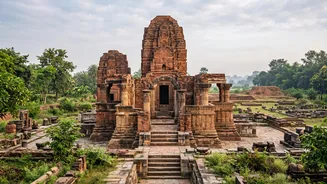
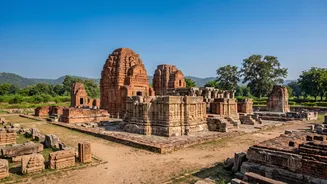
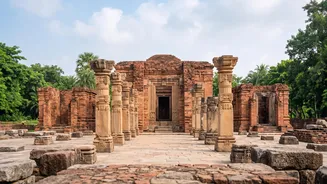
The third nominee is the Sirpur Cultural and Archaeological Landscape in Chhattisgarh, a sprawling site on the banks of the Mahanadi River. Once a thriving capital in the ancient kingdom of Dakshina Kosala, Sirpur boasts an extraordinary concentration of archaeological remains dating from the 5th to the 12th centuries. Its landscape is dotted with monumental Hindu temples, such as the famous brick Laxman Temple, alongside impressive Buddhist monasteries or 'viharas'. This unique co-existence of different faiths makes Sirpur a compelling example of a multi-faith religious centre and a bustling riverside trade hub from early medieval India. The site also includes large-scale urban structures, market complexes, and bathing ghats, painting a vivid picture of a once-thriving metropolis.
Why This Nomination Matters
Beyond the prestige, a place on the World Heritage List brings tangible benefits. It shines an international spotlight on these locations, often leading to a significant increase in responsible tourism. This, in turn, can boost local economies and provide sustainable livelihoods. More critically, the status unlocks access to global expertise and potential funding for conservation, helping to ensure these sites are preserved for future generations. For India, the nomination of such diverse sites—from active volcanoes to ancient cities—is a powerful testament to the country's vast natural and cultural wealth. It reinforces a national commitment to protecting this heritage and sharing its stories with the world.