


The Prime Destination with a Frigid Problem
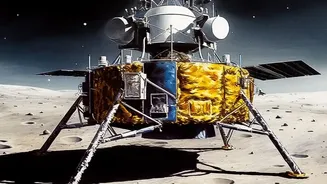
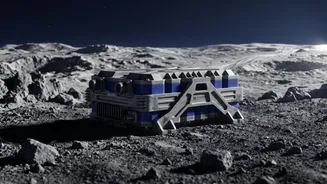
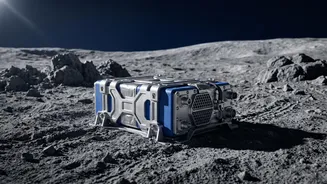
The lunar south pole is the prized real estate for humanity’s return to the Moon. Scientists believe that craters in this region, permanently shielded from sunlight, hold vast reserves of water ice. This ice could be a game-changer, providing drinking
water, breathable air, and even rocket fuel for future astronauts. But this strategic location comes with an extreme environmental cost. Without an atmosphere to trap heat, the lunar surface experiences wild temperature swings. During the 14-day lunar night, temperatures at the south pole can plummet to as low as -200°C (-328°F). This profound cold is a death sentence for the conventional lithium-ion batteries that power our daily lives. At these temperatures, the liquid electrolyte inside them freezes solid, slowing or stopping the chemical reactions that generate power and potentially causing permanent damage.
Why Standard Batteries Fail in the Cold
Anyone who has found their car struggling to start on a frosty morning has experienced a mild version of the Moon's battery problem. Cold temperatures dramatically slow down the chemical reactions inside a battery, increasing its internal resistance and reducing its ability to deliver power. On Earth, a battery might lose about half its power at 0°F. On the Moon, the cold is so absolute that it doesn't just slow the process; it brings it to a halt. The liquid electrolyte—the medium that allows charged ions to flow between the positive and negative electrodes—freezes. This not only stops the battery from working but can cause the liquid to expand, cracking the internal structure and destroying the cell. Simply keeping the batteries constantly heated through the two-week lunar night would require enormous energy, meaning heavier, more expensive payloads. For long-duration missions, a new approach is needed.
NASA's Solid Solution: The SPEARS Project
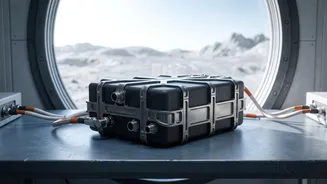
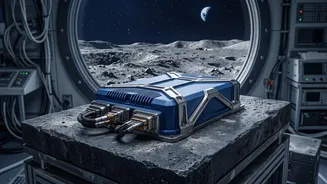
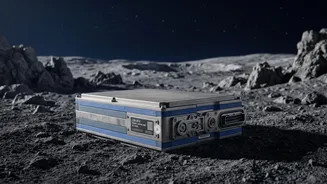
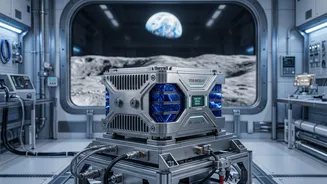
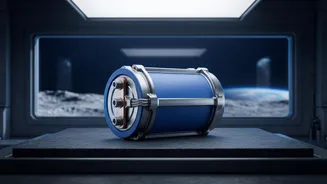
Enter SPEARS, which stands for Solid Power for Extreme Environment Adaptability and Resilience in Space. This NASA project aims to solve the cold-weather crisis by fundamentally redesigning the battery. The key innovation is replacing the vulnerable liquid electrolyte with a robust, solid material, such as a ceramic or polymer. This creates a 'solid-state' battery. The primary advantage of this design is its resilience. Because there is no liquid to freeze, the SPEARS batteries can survive exposure to the most extreme lunar cold without sustaining damage. While they still won't operate at -200°C, they can be safely left in a dormant state. When power is needed, small, efficient heaters can quickly warm them up to their operational temperature, which recent tests have shown can be as low as -80°C. This 'heat-on-demand' capability significantly reduces the overall energy needed for thermal management, paving the way for lighter and more capable lunar hardware.
Powering the Artemis Generation and Beyond
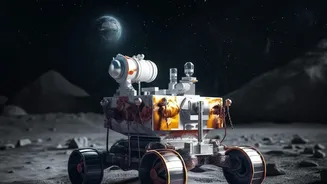
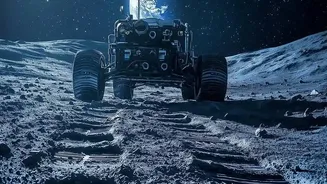
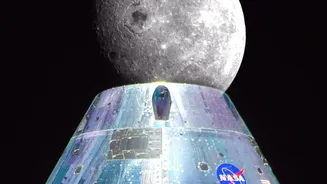
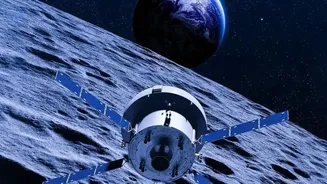
The success of the SPEARS project is critical for the ambitions of NASA's Artemis program, which aims to establish a sustainable human presence on the Moon. These advanced batteries could power everything from astronaut life support systems and scientific instruments to the rovers needed to explore shadowed craters. By enabling survival and operation through the long lunar night, solid-state batteries unlock the possibility of continuous scientific research and long-term habitation. The technology is also adaptable; engineers can tune the battery's chemistry to prioritise either high power for tools like drills or long-term energy storage for habitat systems. The development has terrestrial benefits as well, potentially accelerating the creation of safer, more efficient solid-state batteries for electric vehicles and consumer electronics on Earth. For now, its primary role is to ensure that when the next generation of astronauts arrives at the lunar south pole, they have the power to not just survive the night, but to work through it.