





The Undisputed Health Halo of Sprouts
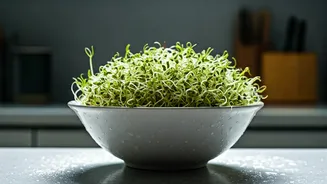
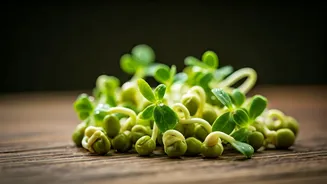
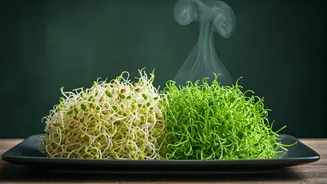
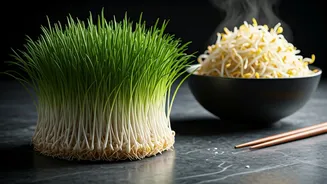
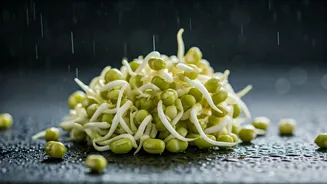
Let’s start with why we love them. Sprouts are essentially germinated seeds of grains or legumes, and this process unlocks a treasure trove of nutrients. They are packed with protein, fibre, vitamins, and enzymes, making them easier to digest than their
un-sprouted counterparts. From moong and moth to chana and alfalfa, these tiny shoots have become a staple in salads, chaats, and sandwiches for health-conscious individuals. They are low in calories, high in nutrients, and add a wonderful, fresh crunch to any meal. For years, they have been championed as a superfood, a perfect example of nature’s goodness in a small, potent package.
The Hidden Downside: A Breeding Ground for Bacteria
The very same process that makes sprouts so nutritious also creates their biggest vulnerability. To germinate, seeds require warmth and humidity—the exact conditions that are also a perfect breeding ground for harmful bacteria. Pathogens like Salmonella, E. coli, and Listeria can be present on the seed itself, and as the sprout grows, the bacteria can multiply exponentially. Even with thorough washing, it's nearly impossible to eliminate these germs once they've taken hold, as they can get inside the growing sprout. This risk isn't just theoretical; outbreaks of foodborne illnesses linked to raw sprouts have been documented globally. The contamination can happen at any stage: from the seed, the water used for soaking, or the container they are grown in.
Why the Monsoon Magnifies the Risk
During the monsoon, this inherent risk skyrockets. The environment becomes a giant incubator. The air is heavy with moisture, providing the humidity bacteria love. Furthermore, the season is notorious for water-borne diseases, and the water used for soaking and rinsing the sprouts may be contaminated. Your own body is also more susceptible during this time. Many people experience a weaker digestive system during the monsoon, making them more vulnerable to infections that their bodies might otherwise fight off. Consuming raw food, which hasn't been subjected to heat to kill pathogens, is therefore a gamble. Raw sprouts, with their unique potential for bacterial growth, become one of the riskiest foods to eat uncooked during this season.
Cooking: The Simple Solution for Safety
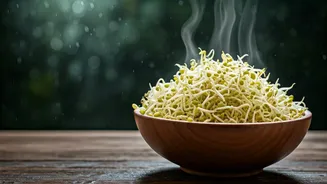
The solution is simple and effective: cook your sprouts. Applying heat is the most reliable way to kill harmful bacteria and make your sprouts safe to eat. A common concern is that cooking destroys nutrients. While it's true that some heat-sensitive vitamins, like Vitamin C, may be slightly reduced, the loss is often minimal, especially with light cooking methods. Most of the protein, fibre, and minerals remain intact. When you weigh the minor nutrient loss against the significant risk of contracting a nasty stomach infection, the choice becomes clear. Prioritising safety over a small nutritional difference is a wise trade-off, especially during the vulnerable monsoon months.
Smart and Tasty Ways to Cook Sprouts
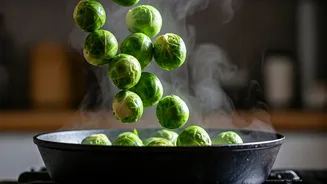
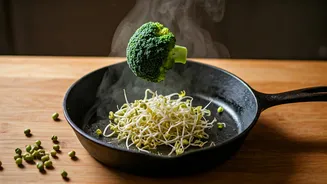
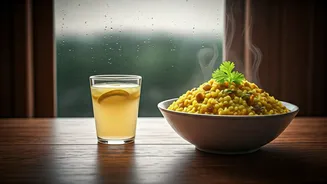
Cooking your sprouts doesn’t mean boiling them into a flavourless mush. There are plenty of delicious ways to incorporate them into your diet. Lightly steaming them for 5-7 minutes will make them tender yet crisp. You can then toss them with lemon juice, salt, and chaat masala for a simple, safe salad. Stir-frying them with a little oil, garlic, and your favourite vegetables is another quick and tasty option. You can also add them to poha, upma, or sabzis in the last few minutes of cooking. Another great idea is to blend them into the batter for cheelas or dosas, or add them to soups and dals for an extra dose of protein and texture. This way, you can continue to enjoy the goodness of sprouts without any of the monsoon-related worries.