






The results are in from the 2026 US midterm elections, and the Democratic party has secured control of both the House and the Senate. This dramatic shift in Washington's power dynamic is already sending ripples across global financial markets. Here’s
what it means.
An Unexpected 'Blue Wave'
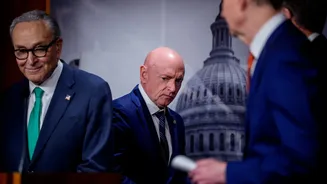
In a decisive rebuke of the sitting administration, voters handed the Democratic party a resounding victory, flipping both chambers of Congress. The win exceeded most pre-election predictions, with Democrats picking up key Senate seats in states like Texas and Kansas for the first time in decades and securing a comfortable majority in the House of Representatives. This outcome effectively ushers in a new era of divided government for the final two years of President Donald Trump's term, setting the stage for significant policy battles over spending, regulation, and foreign affairs. For investors in India and around the world, this political earthquake is not just a headline; it's a fundamental change to the global economic landscape that requires careful navigation.
Why Markets Are Paying Attention
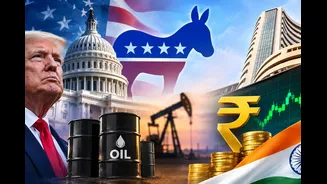
Historically, markets often react positively to the certainty that follows a midterm election, and this time appears to be no different. After an initial dip driven by uncertainty, US stock indices rallied. The core reason is that a divided government often leads to legislative gridlock. This can be a positive for markets as it makes radical, disruptive policy changes less likely, creating a more predictable environment for businesses to plan and invest. Furthermore, the election results immediately impacted key economic indicators. The US dollar weakened against other major currencies, and US Treasury bond yields fell as investors sought safe-haven assets. For India, a weaker dollar and lower US yields can be a significant tailwind, potentially attracting more foreign portfolio investment (FPI) into Indian equities.
The India-Specific Impact
The ripple effects of the US election are particularly relevant for key sectors of the Indian economy. The Information Technology (IT) industry, for one, breathed a sigh of relief. A Democratic-controlled Congress is expected to bring a softer approach to H-1B visa regulations and less scrutiny on outsourcing, which are critical for Indian IT services companies. Similarly, the pharmaceutical sector sees a potential upside. A Democratic legislature is less likely to support the aggressive tariffs on generic drugs that had been previously floated, reducing a major threat for Indian pharma exporters. The biggest immediate benefit for India, however, came from the oil markets. Brent crude prices fell sharply on the expectation that a Democratic Congress will apply pressure to de_escalate the conflict in Iran, reducing geopolitical risk and easing prices. As a major oil importer, lower crude prices help India manage inflation and reduce its import bill, benefiting sectors from aviation to paints and chemicals.
What to Expect Next
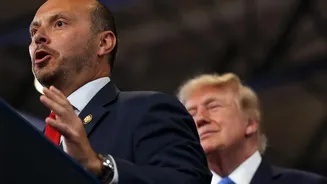
Looking ahead, the primary theme will be the push-and-pull between the White House and Congress. President Trump is expected to rely heavily on his veto power to block the Democratic agenda, leading to potential standoffs on crucial issues like the US debt ceiling in 2027. On trade, while the President retains significant authority, the new Congress will likely use its oversight powers to scrutinize and potentially moderate the use of tariffs. Some analysts even suggest that, facing domestic roadblocks, the administration might be more motivated to secure a foreign policy win, which could accelerate negotiations for an India-US trade deal. However, any such deal would also face deeper scrutiny from the new Congress. Investors will be closely watching for shifts in US foreign policy, particularly concerning West Asia, as well as any new regulations targeting the technology and energy sectors.