



The Simple Magic of Fermentation
For generations, Indian households have harnessed the power of fermentation to create foods that are both flavorful and nourishing. This age-old practice isn't a complex science but a natural process where beneficial microorganisms, or probiotics, transform
ingredients. When you ferment drinks like Kanji or prepare Chaas from fresh curd, you are cultivating live, healthy bacteria. These probiotics are the cornerstone of good gut health, helping to balance your digestive system, improve nutrient absorption, and even boost your immunity. Far from being intimidating, home fermentation is a rewarding and surprisingly simple way to connect with traditional food practices and enhance your well-being.
Your First Ferment: Vibrant, Tangy Kanji
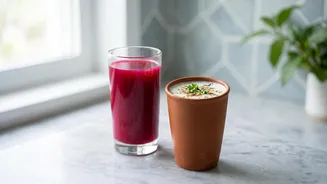
Kanji is a classic North Indian fermented beverage, traditionally made with black carrots which give it a deep, purplish hue. However, it's just as delicious and effective when made with red carrots and a touch of beetroot for colour. The drink gets its signature pungent kick from mustard seeds, which also act as the catalyst for fermentation. The process involves letting the ingredients sit in salted water for a few days, typically in the sun, until it develops a pleasantly sour and tangy taste. Ingredients: - 4-5 medium red carrots, peeled and cut into batons - 1 small beetroot, peeled and cut into batons - 6-8 cups of filtered water - 2 tablespoons of coarsely ground mustard seeds (rai) - 1 tablespoon black salt (kala namak) - 1 teaspoon regular salt (or to taste) Instructions: 1. Find a large, clean glass or ceramic jar (around 2 litres). 2. Add the carrot and beetroot sticks to the jar. 3. Pour in the water, ensuring the vegetables are fully submerged. 4. Add the ground mustard seeds, black salt, and regular salt. Stir everything thoroughly with a clean, dry spoon. 5. Cover the mouth of the jar with a muslin cloth and secure it. This allows gases to escape while keeping dust out. 6. Place the jar in a sunny spot for 2 to 4 days. Stir the contents once daily. 7. After day two, start tasting it. When it reaches a level of tanginess you enjoy, the Kanji is ready. Strain the liquid into bottles and refrigerate. The fermented vegetables can be eaten as a pickle.
The Cooling Counterpart: Masala Chaas
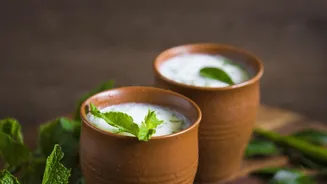
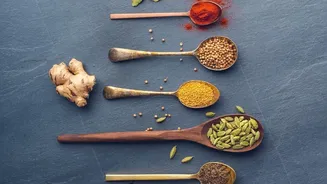
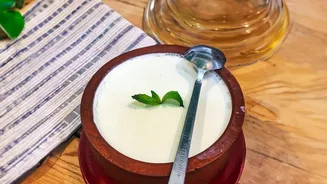
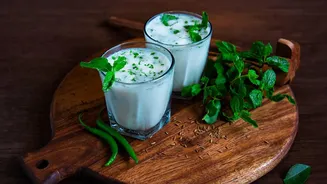
Masala Chaas, or spiced buttermilk, is a beloved digestive aid and coolant across India. Unlike Kanji, its probiotic power comes from the live cultures already present in fresh curd (dahi). Chaas is lighter than lassi because it's made by thinning curd with water, making it the perfect drink to have after a meal to aid digestion without feeling heavy. The magic lies in the blend of spices, which not only add flavour but also offer their own digestive benefits. Ingredients: - 1 cup fresh, plain curd (dahi) - 2 cups chilled water - ½ teaspoon roasted cumin powder (bhuna jeera) - ½ teaspoon black salt (kala namak) - A pinch of asafoetida (hing) (optional) - 1 tablespoon chopped fresh coriander leaves - 1 tablespoon chopped fresh mint leaves Instructions: 1. In a blending jar or a deep bowl, combine the curd, chilled water, roasted cumin powder, black salt, and asafoetida (if using). 2. Blend for 30-40 seconds or whisk vigorously until the mixture is smooth and slightly frothy. 3. Stir in the chopped coriander and mint leaves. 4. Pour into glasses and serve immediately. For an even more refreshing experience, you can add a few ice cubes. 5. Feel free to customise by adding a small piece of grated ginger or a finely chopped green chilli for a bit of heat.
Why Your Gut Will Thank You
Both Kanji and Masala Chaas are powerhouses for digestive wellness. Kanji's fermentation process produces lactic acid bacteria, which populates your gut with beneficial microbes, helps flush out toxins, and can improve overall digestion and reduce bloating. Masala Chaas works similarly, with the probiotics from curd soothing the stomach lining and preventing indigestion. Spices like cumin and ginger stimulate digestive enzymes, while the drink itself helps in hydration and replenishing electrolytes, especially in warm weather. Regular consumption of these drinks can lead to a stronger immune system, better nutrient absorption, and a feeling of lightness after meals.