






What Is a Terracotta Color Wash?
Before you start, it’s important to understand what makes a color wash different from a standard coat of paint. A color wash is a painting technique that creates a soft, layered, and subtly textured appearance, reminiscent of aged plaster walls found
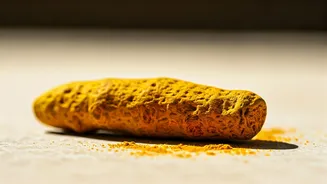
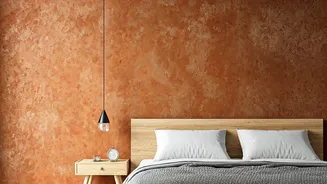
in Mediterranean villas or Rajasthani havelis. Instead of applying opaque color, you use a thinned-down paint or glaze over a base coat. The terracotta hue—a rich, earthy blend of red, brown, and orange—is perfect for this treatment. It evokes sun-baked clay and natural pigments, instantly making a space feel warmer, more inviting, and deeply connected to nature. The final look is intentionally imperfect, with variations in tone and texture that add depth and character that a single, flat color never could.
Why This Creates an 'Organic' Feel
The term 'organic' in interior design refers to a style that emphasizes natural materials, soft forms, and a connection to the environment. A terracotta color wash is the ideal backdrop for this aesthetic. Its mottled, cloud-like finish mimics natural surfaces like stone or earth. This inherent imperfection moves away from the stark, clinical feel of modern minimalism and embraces a more wabi-sabi approach—finding beauty in imperfection and authenticity. The warm terracotta tones pair seamlessly with other organic elements, such as raw wood furniture, linen and cotton textiles, jute or wool rugs, and an abundance of indoor plants. The result is not just a decorated room, but a cohesive environment that feels calming, grounded, and restorative.
Gather Your Tools and Materials
A successful project starts with good preparation. You don’t need to be a professional, but having the right tools will make the process much smoother. Here’s a checklist of what you’ll need: * **Paints:** A light, neutral base coat (like off-white or beige) and a terracotta latex paint for your wash. * **Glaze or Water:** A clear latex glaze to mix with your terracotta paint. Alternatively, you can use water, but glaze provides more working time. * **Brushes and Rollers:** A roller for the base coat, and a large, soft-bristled brush for applying the wash. * **Rags:** A pile of clean, lint-free cotton rags for blending and texturing. * **Buckets:** Two buckets—one for mixing your color wash and one with clean water. * **Painter’s Tape:** To protect trim, ceilings, and outlets. * **Drop Cloths:** To protect your floor and furniture.
The Step-by-Step Application Guide
With your materials ready, it’s time to transform your walls. Work on one wall at a time to ensure the wash stays wet as you work. 1. **Prep the Room:** Move furniture to the center of the room and cover it with drop cloths. Tape off all trim, baseboards, and the ceiling line. Clean the walls with a mild soap and water solution to remove any dust or grime. 2. **Apply the Base Coat:** Roll on one or two coats of your neutral base color. This lighter color underneath will help the terracotta wash look luminous. Let it dry completely according to the manufacturer's instructions—usually 24 hours. 3. **Mix Your Wash:** In a bucket, mix your terracotta paint with the glaze or water. A common ratio is one part paint to four parts glaze/water, but you can adjust this. More glaze will create a more translucent, subtle effect, while less glaze will result in a more opaque color. 4. **Apply and Blend:** Using your large brush, apply the wash in sweeping, crisscross 'X' motions. Work in small, manageable sections (about 3x3 feet). Immediately after brushing on the wash, take a clean, slightly damp rag and use it to blot, soften, and blend the brushstrokes. This is where the artistry happens. Don’t aim for uniformity; the goal is to create soft, cloud-like variations. Continue this process across the wall, slightly overlapping each section to avoid hard lines.
Styling Your New Terracotta Bedroom
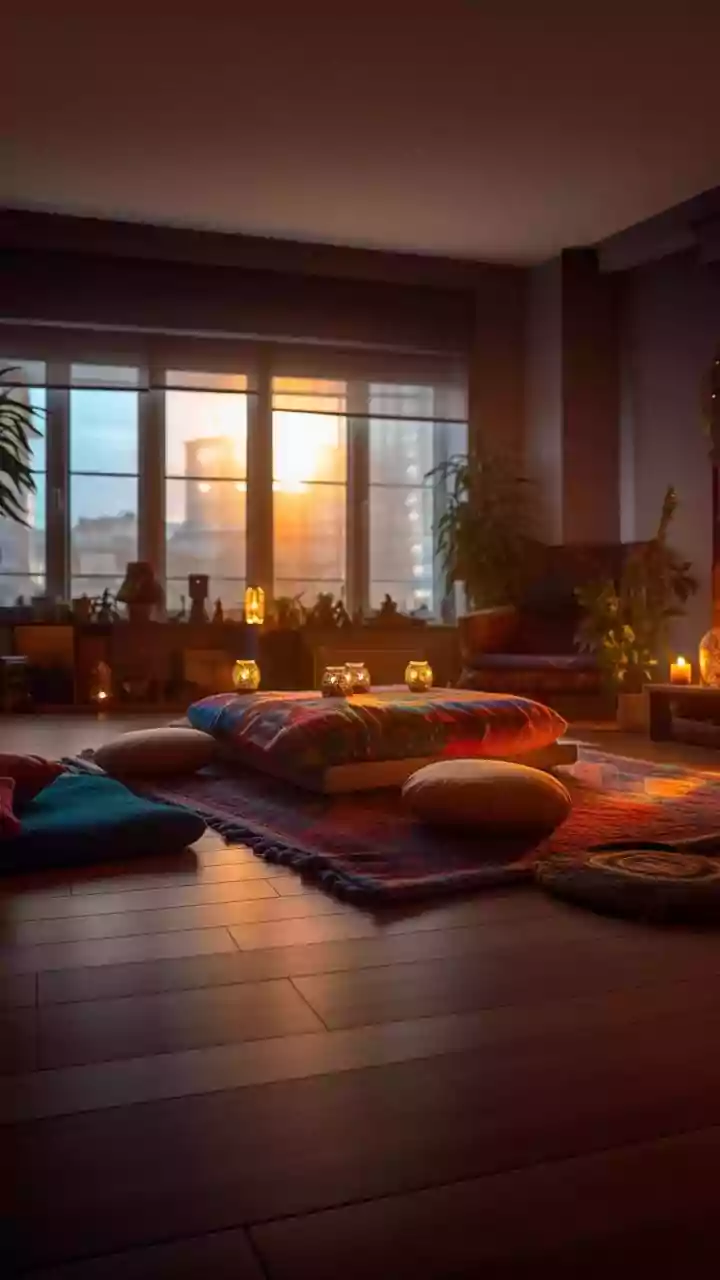
Once your beautiful new walls are dry, the final step is to style the room to enhance the organic aesthetic. Stick to a palette of natural, complementary colors. Cream, beige, charcoal grey, and deep forest green all look fantastic against terracotta. Introduce a variety of textures to create sensory richness. Think chunky knit blankets, crisp linen bedding, a sisal or jute rug, and velvet accent pillows. For furniture, opt for pieces made from natural materials like light oak, walnut, or rattan. Finally, bring the outside in with plenty of houseplants. Ferns, snake plants, and fiddle leaf figs not only add a pop of green but also improve air quality, completing your serene, organic retreat.