
A Mission of Unprecedented Complexity
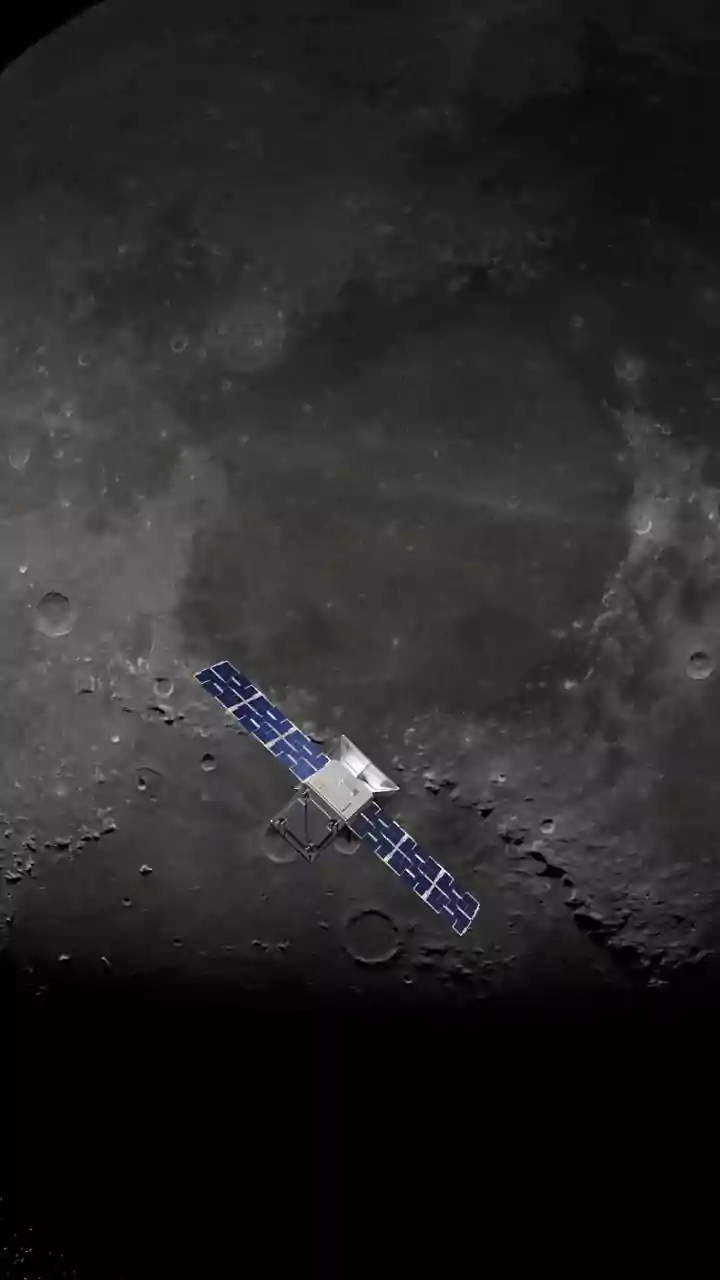
Chandrayaan-4 is not just another moonshot; it is a multi-stage, multi-module sample return mission designed to elevate India into an elite club of nations capable of such a feat. Unlike its predecessors, the primary objective is to land on the Moon,
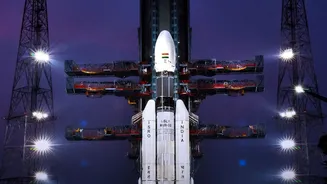
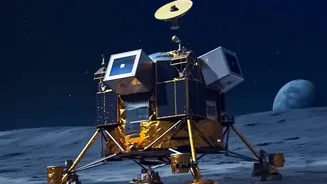
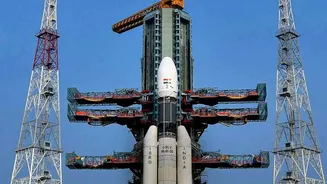
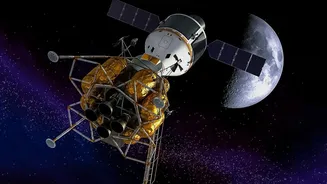
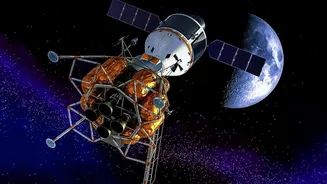
collect surface and sub-surface samples, and then bring them safely back to Earth for scientific study. This requires a level of complexity far beyond a one-way trip. The mission involves five distinct modules that must work in perfect harmony: a Propulsion Module, a Descender Module (lander), an Ascender Module, a Transfer Module, and a Re-entry Module. Due to the sheer mass and complexity, the entire assembly will be launched in two separate parts using heavy-lift LVM3 rockets, which will then need to dock in Earth's orbit before even beginning the journey to the Moon.
The Challenge of Lunar Docking
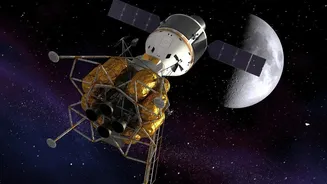
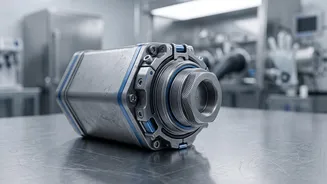
Docking is the process of joining two separate spacecraft together in orbit. It's a manoeuvre that demands incredible precision. Now, imagine doing this 3,84,000 kilometres away from home, around a celestial body with its own gravitational pulls. This is the core challenge of the Chandrayaan-4 mission. After the lander touches down on the lunar surface and collects the precious samples, a smaller rocket, the Ascender Module, will launch from the Moon itself, using the lander as a launchpad. This Ascender, carrying the container of lunar regolith, must then autonomously rendezvous and dock with the Transfer Module, which will be waiting in a stable lunar orbit. This has to be done without direct real-time control from Earth, making it one of the most technologically demanding tasks ISRO has ever attempted.
The Orbital Ballet: A Step-by-Step Guide
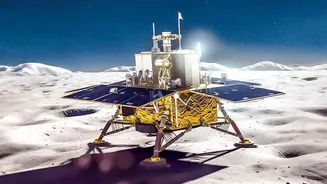
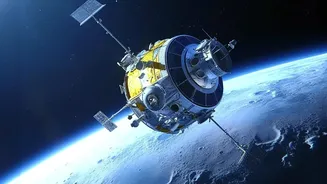
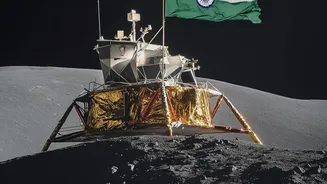
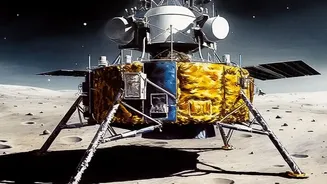
First, the Descender Module, carrying the Ascender, will perform a soft landing on the lunar surface. A robotic arm will then collect samples and place them inside the Ascender. Once the sample collection is complete and the container is sealed, the Ascender will lift off, leaving the Descender behind. It will fire its engines to enter a precise low-lunar orbit. Meanwhile, the Transfer Module, which has been circling the Moon, will adjust its own orbit to intercept the Ascender. Through a series of carefully calculated burns and using sophisticated sensors, the two modules will approach each other. In the final moments, they will perform the delicate docking manoeuvre, locking together. Once securely connected, another robotic process will transfer the sample container from the Ascender to the Re-entry Module, which is attached to the Transfer Module.
Why This Manoeuvre Is a Game-Changer
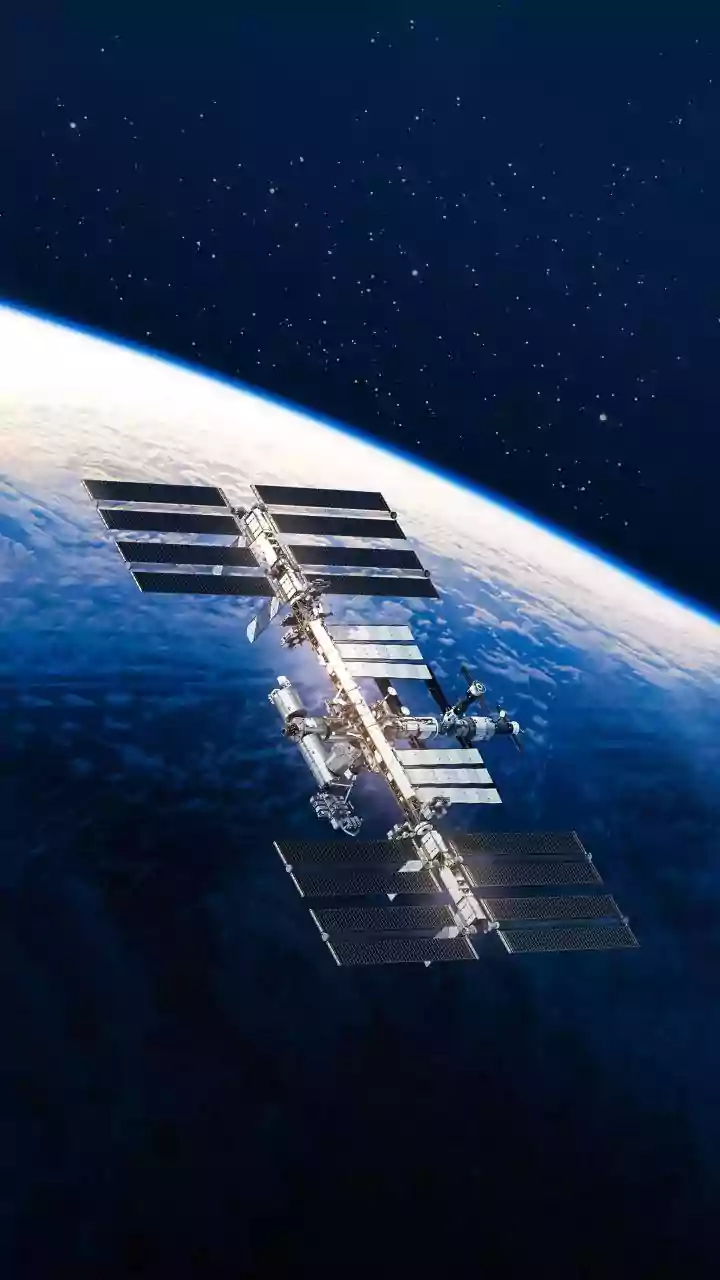
Mastering automated docking in deep space is a gateway technology. Successfully achieving it with Chandrayaan-4 will not only ensure the return of the lunar samples but will also validate the technology needed for future, even more ambitious projects. This includes the assembly of the Bharatiya Antariksh Station (India's planned space station), which will require multiple modules to be docked together in Earth's orbit. Furthermore, it is a critical step for future interplanetary missions and the long-term goal of sending Indian astronauts to the Moon. ISRO has been actively preparing for this with its SPADEX (Space Docking Experiment) program, which has already successfully tested docking technologies in Earth orbit, paving the way for this crucial lunar attempt.