


The Pollutant We Can't See
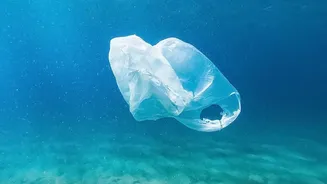
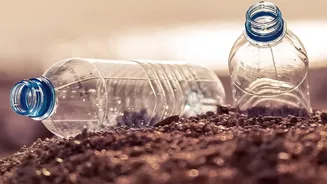
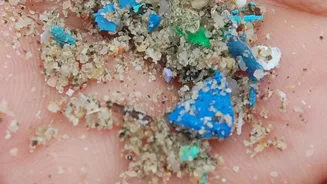
Microplastics are tiny plastic particles, less than 5 millimetres in diameter, that have contaminated ecosystems across the globe, including our rivers, lakes, and drinking water supplies. These particles originate from the breakdown of larger plastic items,
industrial discharge, and even fibres from our clothing. While standard water treatment plants can remove a significant portion of these contaminants, many of the smallest particles slip through, posing a potential risk to human health and the environment that scientists are still working to fully understand. The challenge has been finding an effective and affordable way to capture these minuscule invaders on a large scale.
An Unlikely Hero: The Humble Rice Husk
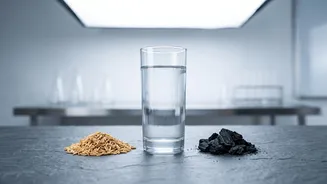
India, as one of the world's largest producers of rice, generates millions of tonnes of rice husks as a byproduct every year. Often treated as agricultural waste, these husks are now being seen in a new light by researchers. Scientists are transforming this abundant and low-cost material into a powerful tool for water purification, embodying the principles of a circular economy by turning waste into a valuable resource. This approach is particularly promising for providing affordable and locally produced clean water solutions, reducing reliance on expensive, imported filtration technologies.
From Farm Waste to Filtration Wonder
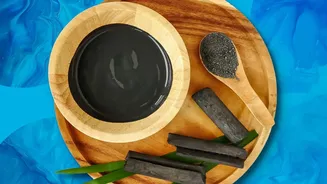
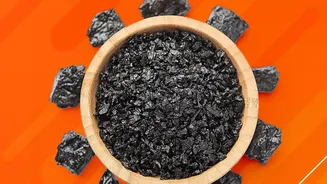
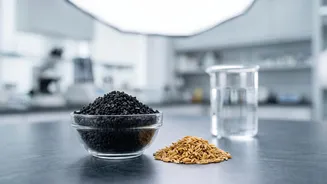
The transformation process is called pyrolysis. It involves heating the rice husks to high temperatures in a low-oxygen environment. This process creates a stable, carbon-rich, and highly porous material known as bio-char. Think of it as a charcoal-like substance that is engineered for a specific purpose. The resulting material has an incredibly large surface area filled with microscopic pores and channels, making it an excellent candidate for trapping pollutants. The production itself is more energy-efficient and cost-effective compared to traditional filter materials like activated carbon.
The Science of Trapping Microplastics
Bio-char's effectiveness comes down to a combination of physical and chemical mechanisms. Physically, its vast network of pores acts like a microscopic sieve, physically trapping plastic particles as water passes through. Studies have shown this is particularly effective for smaller microplastics. Chemically, the surface of the bio-char can form bonds with the plastic particles through forces like electrostatic attraction and hydrophobic interactions, essentially making the plastics stick to the filter material. Research shows that bio-char made from rice husks and other agricultural waste can remove over 90% of microplastics from water in lab settings.
A Truly Cost-Effective Game Changer
What makes this technology so revolutionary is its affordability. The raw material, agricultural waste, is abundant and extremely cheap. The production process for bio-char is also significantly less expensive than that for conventional activated carbon, which is the current industry standard for water filtration. Some estimates suggest bio-char can be produced for a fraction of the cost, making it an economically viable solution for large-scale municipal water treatment, especially in developing nations. This low cost opens the door to widespread adoption in a way that more complex technologies cannot match.
The Road from the Lab to Your Tap
While the laboratory results are highly promising, the next step is to prove the technology's effectiveness and durability in real-world settings. Researchers are now focused on pilot projects and field tests to optimise the filter designs for use in community water systems and larger wastewater treatment plants. Modifications, such as creating magnetic versions of bio-char, are also being explored to make it easier to recover and reuse the material. The journey from a successful lab experiment to widespread public use requires scaling up production and integrating this new material into existing infrastructure, but the potential for a sustainable, homegrown solution to water purity is immense.