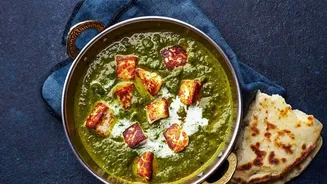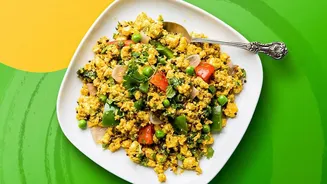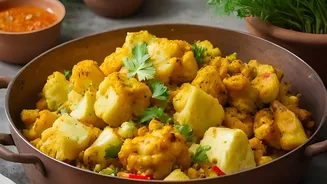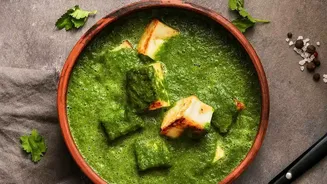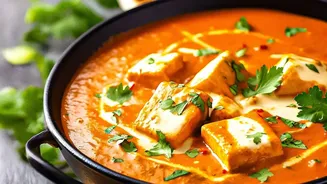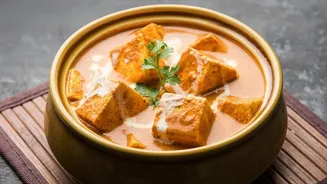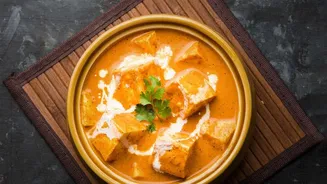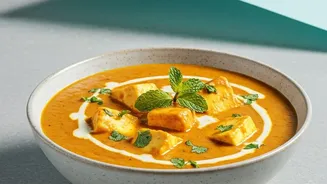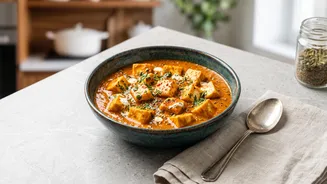

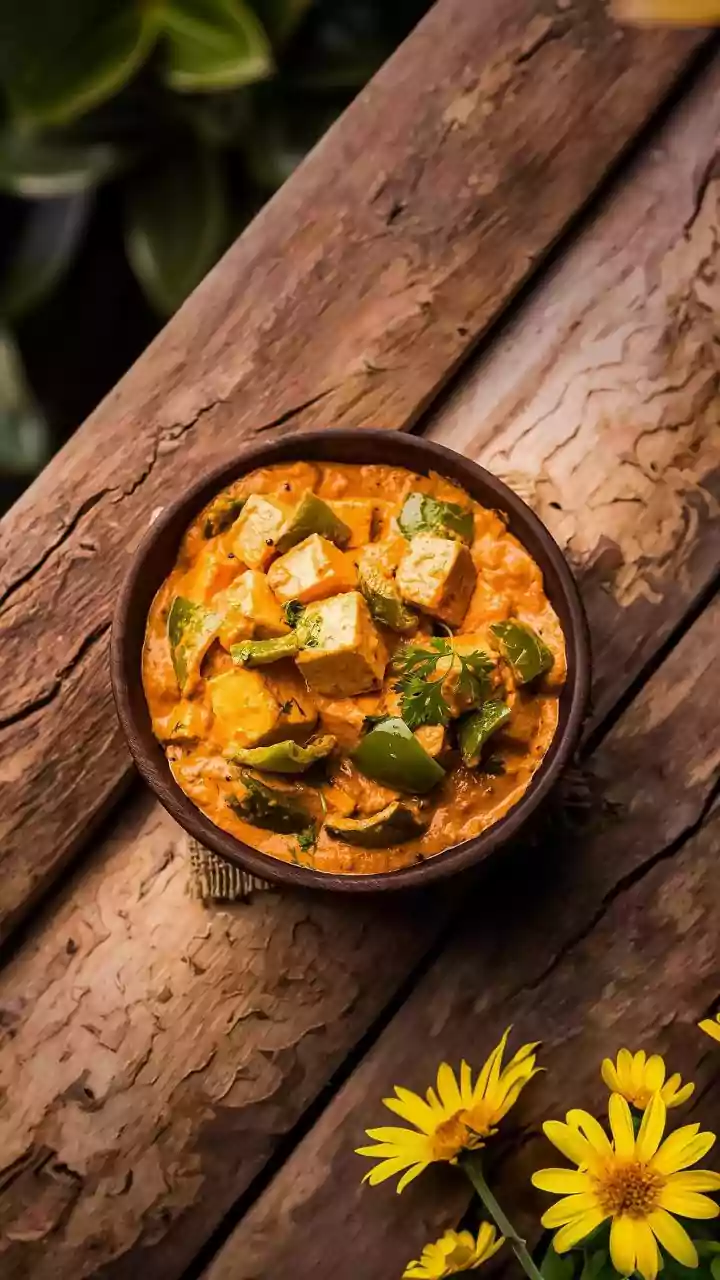
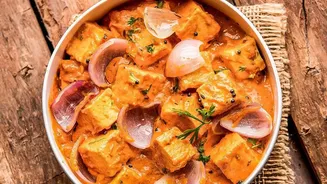
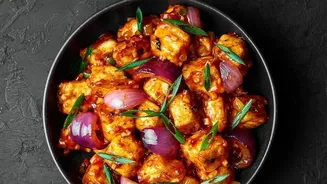
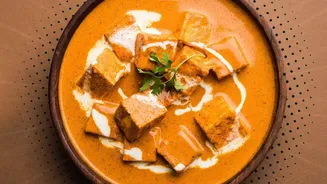
We’ve all been there: you recreate a favourite paneer dish at home, but the star ingredient ends up firm and chewy. Getting that soft, melt-in-your-mouth texture isn't a restaurant secret; it's a simple technique anyone can master.
The Golden Rule: A Warm Water Soak
The single most effective
trick for achieving soft paneer is giving it a quick soak in warm water. Whether your paneer is store-bought or homemade, cold from the fridge, or even frozen, this step makes a world of difference. The protein structure of paneer is tightly bonded, especially in packaged versions which are pressed firmly to remove moisture for a longer shelf life. Soaking it rehydrates the cheese, relaxing the proteins and restoring the moisture lost during storage. Simply cut your paneer block into cubes and place them in a bowl of warm (not boiling) water for 15 to 20 minutes before you plan to use them. This step ensures the paneer not only softens but also absorbs the flavours of your gravy more effectively.
Choose Your Paneer Wisely
The journey to soft paneer begins with the block you choose. While making paneer at home gives you the most control, a good quality store-bought version can be just as delicious. When shopping, look for paneer made from full-fat milk, often labelled as 'malai paneer'. The higher fat content contributes to a creamier, softer texture. Paneer made from toned or low-fat milk tends to be firmer and more prone to becoming rubbery when cooked. Buffalo milk paneer is often denser than its cow milk counterpart, so a warm water soak becomes even more crucial for achieving that desired softness.
The Enemy of Softness: Overcooking
One of the most common mistakes that leads to tough paneer is overcooking. The protein in paneer, called casein, is very sensitive to heat. When exposed to high temperatures for too long, it contracts and squeezes out moisture, resulting in a firm, chewy, and rubbery texture. Unlike meat, paneer does not get more tender with prolonged cooking; it only gets tougher. To avoid this, always add your paneer cubes towards the end of the cooking process. Let them simmer gently in the gravy for just a few minutes—long enough to warm through and absorb the flavours, but not so long that they begin to harden.
To Fry or Not To Fry?
Many recipes call for frying paneer cubes before adding them to a gravy, which can enhance flavour but also poses a risk to its texture. Frying on high heat removes moisture quickly, making the paneer tough. If you enjoy the taste and texture of fried paneer, there’s a right way to do it. First, lightly fry the cubes in a small amount of oil until they are just pale golden. The crucial next step is to immediately transfer the fried cubes from the pan into a bowl of warm water. Let them soak for 10–15 minutes. This allows them to reabsorb moisture, leaving you with a wonderfully soft texture on the inside and a slightly firm, flavourful crust on the outside.
Handling and Storage Matters
How you store your paneer can also impact its final texture. If you have leftover paneer, don't just wrap it in cling film. A better method is to submerge the block or cubes in a container filled with water and store it in the refrigerator. This helps keep it hydrated and fresh. Remember to change the water daily to maintain its freshness. When you're ready to use it, just drain the water and give it a quick soak in warm water as you would with a new block. This simple storage hack prevents the paneer from drying out and becoming hard in the cold, dry air of the fridge.