





The Power of a 10-Minute Habit
The biggest hurdle in fitness isn't the first workout; it's the second, third, and twentieth. The idea of long, gruelling sessions can be daunting, but the science supports a more manageable approach. Research shows that even short bursts of activity,
often called 'exercise snacks', can have a profound impact. Just 10 minutes of daily movement can improve heart health, help regulate blood sugar, and boost your mood by releasing endorphins. One study even found that 10 minutes of physical activity could improve memory and cognition. The key isn't intensity, it's consistency. By lowering the barrier to entry, a 10-minute workout makes it far more likely that you'll show up every day, which is the foundation of any successful fitness journey.
How to Build the Habit Fast
Consistency is a habit, and habits are built on cues and repetition. One of the most effective methods is 'habit stacking'. This technique involves linking your new workout habit to an existing one you already do automatically. The formula is simple: 'After I [current habit], I will do my 10-minute workout'. For example: 'After I brush my teeth in the morning, I will immediately start my workout'. This removes the need for willpower and decision-making. To make it even easier, prepare ahead of time. Lay out your workout clothes the night before, choose your workout video in advance, and have a designated space ready. The goal is to make starting so easy that it feels harder not to do it.
Your First Week: A Sample Plan
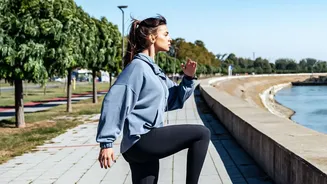
To avoid burnout and work your whole body, variety is key. A simple weekly plan ensures you're not just doing the same thing every day. Consider this structure, focusing on a different area each day: Monday: Cardio Burst. Get your heart rate up with exercises like jumping jacks, high knees, and butt kicks. Tuesday: Lower Body Strength. Focus on squats, lunges, and glute bridges. Wednesday: Active Recovery. Gentle stretching, yoga, or a brisk walk. Thursday: Upper Body & Core. Try push-ups (on knees is fine!), planks, and bird-dog exercises. Friday: Full Body Circuit. Pick one exercise from each of the previous strength days and perform them in a circuit. Saturday & Sunday: You Choose! Repeat your favourite workout of the week, try a dance workout video, or go for a longer walk. The choice is yours.
Easy No-Equipment Exercises
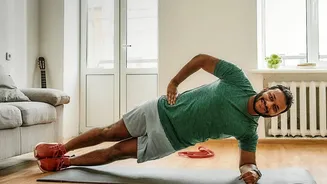
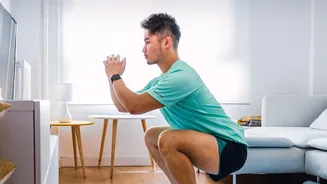
You don't need a home gym to get a great workout. Your body weight is a powerful tool. Here are five simple yet effective exercises you can combine into a 10-minute circuit. Perform each for 45 seconds, rest for 15 seconds, and repeat the circuit twice: 1. Bodyweight Squats: Stand with feet shoulder-width apart, lower your hips as if sitting in a chair, then stand back up. Keeps your back straight and chest up. 2. Push-ups: Can be done on your toes or with knees on the ground for support. Keep your body in a straight line from head to heels (or knees). 3. Jumping Jacks: A classic cardio move that warms up the entire body. 4. Plank: Hold the top of a push-up position, keeping your core tight and back flat. Avoid letting your hips sag. 5. Lunges: Step forward with one leg and lower your hips until both knees are bent at a 90-degree angle. Push back to the start and alternate legs.
Staying Motivated Beyond Week One
The initial excitement can fade, which is why it’s important to have strategies to maintain momentum. Track your progress in a journal or app; seeing a chain of completed workouts is a powerful visual motivator. Don’t let one missed day derail you. The 'all or nothing' mindset is the enemy of consistency. If you miss a workout, just make sure you show up the next day. Finally, focus on how you feel. Notice the extra energy you have, the reduced stress, or the better sleep you're getting. These immediate, non-scale victories are often the most powerful fuel for keeping your new habit alive for the long term.