




Why Fresh Salads Are Great for Your Gut
Before diving into our star ingredients, it's important to understand why salads are so beneficial for digestion. Raw vegetables and leafy greens are packed with dietary fibre, which is crucial for a healthy gut. There are two main types of fibre, and salads offer
both. Insoluble fibre, found in vegetable skins and greens, adds bulk to stool, helping it move smoothly through your digestive tract and preventing constipation. Soluble fibre, found in ingredients like beans and avocados, forms a gel-like substance, which helps feed the good bacteria in your gut. This diverse fuel source for your gut microbiome is essential for overall health. Furthermore, the high water content in many salad ingredients aids in hydration, which softens stool and keeps your system running efficiently.
Cucumber: The Ultimate Hydration Hero
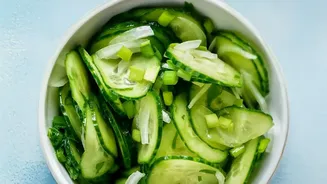
Cucumber is a salad classic for a reason. Composed of about 96% water, it is one of the most hydrating foods you can eat. This high water content is vital for digestion, as it helps your body break down food and absorb nutrients more effectively. Staying well-hydrated prevents constipation by improving the consistency of your stool. But cucumbers offer more than just water. They also contain a good amount of fibre, especially in their peel. This includes pectin, a type of soluble fibre that can increase the frequency of bowel movements and feeds beneficial gut bacteria, further enhancing digestive health. Its refreshing and cooling nature makes it a perfect, gentle addition to any digestive-support salad.
Beetroot: An Earthy Boost for Bowel Health
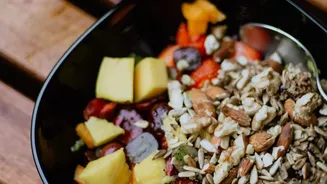
This vibrant root vegetable brings a unique set of benefits to your salad bowl. Beetroot is a fantastic source of fibre, which promotes regular bowel function and helps create a healthy environment for your gut microbiome. The fibre in beetroot acts as a prebiotic, feeding good bacteria like Bifidobacterium and Lactobacillus, which in turn helps prevent the growth of harmful pathogens in the gut. Beetroot also contains a compound called betaine, which supports liver function—a key organ in the digestive process responsible for detoxification. Additionally, the natural nitrates in beetroot are converted by the body into nitric oxide, which can improve blood flow to the gut, ensuring digestive organs get the oxygen and nutrients they need to function optimally.
Sprouts: Tiny Powerhouses of Enzymes and Nutrients
Sprouts are essentially germinated seeds, and this sprouting process unlocks a treasure trove of digestive benefits. Sprouting significantly increases a seed's fibre content, making it a great tool for promoting regularity. More importantly, germination activates a host of enzymes that 'pre-digest' the starches and proteins within the seed. This makes sprouts not only easier for your body to digest but also reduces the digestive load of your entire meal. Many people who experience bloating from legumes or grains find that the sprouted versions are much gentler on their system. These tiny greens are also incredibly nutrient-dense, providing vitamins, minerals, and antioxidants that support overall gut health and a strong immune system.
Building the Perfect Digestive-Friendly Bowl
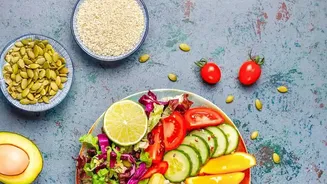
Creating a salad that is both delicious and easy on your gut is simple. Start with a base of tender leafy greens like spinach or lettuce. Add generous amounts of sliced cucumber, grated beetroot, and a handful of fresh sprouts like mung bean or broccoli sprouts. To make it a more complete meal, consider adding other gut-friendly ingredients. Healthy fats from avocado or a sprinkle of seeds can aid nutrient absorption. A lean protein source like grilled chicken or chickpeas can provide sustained energy. For a dressing, a simple mix of olive oil, lemon juice, and a touch of ginger can provide additional anti-inflammatory and digestive benefits. The key is to include a variety of fresh, whole-food ingredients to nourish your gut microbiome from all angles.