





A New Definition of Luxury
For decades, the pinnacle of a vacation was synonymous with five-star luxury: opulent lobbies, sprawling suites, and impeccable, almost invisible, service. But for many Millennial and Gen Z travellers, this picture feels increasingly dated. Today, luxury is being
redefined. It's less about material extravagance and more about the richness of the experience. Instead of seeking passive comfort, young travellers are pursuing personal growth, mindfulness, and memorable moments. This has sparked a significant shift in preferences, moving away from standardised glamour towards unique, purpose-driven stays. Boutique properties, remote eco-lodges, and culturally integrated accommodations are now outperforming larger resorts among those seeking authenticity. Travel has become a form of self-expression, reflecting a person's values in sustainability, wellness, and genuine cultural engagement.
What Exactly Is an Eco-Lodge?
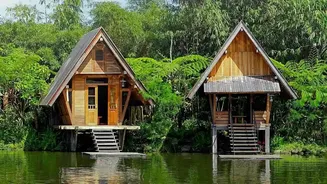
The term 'eco-lodge' is more than just a marketing buzzword for a hotel with a few plants. True eco-lodges are built on a foundation of sustainability and are designed to have a minimal environmental footprint while benefiting the local community. According to the principles of ecotourism, these establishments are typically located in nature-based settings, actively contribute to conservation, and offer educational experiences for guests. They often feature architecture that uses local, sustainable materials like bamboo or reclaimed wood, employ renewable energy sources, manage waste responsibly, and conserve water. Crucially, a core tenet of an authentic eco-lodge is empowering the local community through fair employment, sourcing local produce, and supporting cultural heritage. This focus on a holistic, positive impact is what distinguishes them from a conventional hotel that has simply added a few green initiatives.
Driven by a Green Conscience
The driving force behind this trend is a powerful sense of environmental and social responsibility. Young generations are acutely aware of issues like climate change and overtourism, and these concerns directly influence their purchasing decisions. A staggering 96% of Indian travellers consider sustainable travel important. This conscious mindset translates into actively seeking accommodations with strong environmental credentials. Studies show a majority of Gen Z travellers are more likely to book eco-friendly stays and are even willing to pay more for a trip that is environmentally responsible. This demand is fuelling the growth of sustainable tourism in India, a market projected to grow significantly in the coming years. The government has also recognised this shift, launching initiatives like the National Strategy for Sustainable Tourism to promote responsible travel.
Experience Is the New Currency
Beyond the ethics, the appeal of eco-lodges lies in the unique experiences they offer. These are not places for passive relaxation; they are gateways to adventure and connection. Guests might find themselves on guided wildlife treks, learning about local conservation efforts, participating in community activities, or enjoying meals made from ingredients grown just metres away. This focus on immersion is a key motivator for younger travellers, who prioritise cultural exploration, outdoor activities, and culinary journeys. Unlike the often-isolated environment of a luxury resort, an eco-lodge offers a deeper sense of place, integrating guests into the local landscape and culture. This desire for emotionally memorable experiences over performative social media posts is a fundamental aspect of modern travel.
India's Eco-Lodge Boom
This global trend has found fertile ground in India, with a growing number of stunning eco-lodges emerging across the country. From the spice-scented highlands of Kerala to the Himalayan foothills of Uttarakhand and the remote jungles of the Northeast, travellers have a diverse array of options. In places like Thekkady and Munnar in Kerala, resorts are designed around the natural landscape, offering treehouse stays and proximity to wildlife sanctuaries. In Uttarakhand, properties near Corbett and Binsar wildlife sanctuaries focus on blending into the environment while offering authentic Kumaoni aesthetics. These lodges not only provide incredible getaways but also play a vital role in preserving India's rich biodiversity and supporting rural economies, making them an increasingly popular choice for the discerning modern traveller.