





The Problem With Too Much of a Good Thing
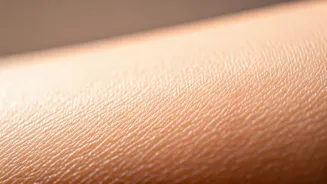
Exfoliation is the process of removing dead cells from the skin's surface, which can leave it looking brighter and feeling smoother. For a long time, the prevailing wisdom was 'more is more'. However, this approach can strip the skin of its natural oils
and compromise the skin barrier—the outermost layer that locks in moisture and keeps out pollutants and bacteria. When this barrier is damaged, it can no longer protect the skin effectively. This leads to a cycle of irritation, dehydration, and inflammation, which is why many dermatologists are now advocating for a more restrained, 'less is more' philosophy. The goal has shifted from aggressive resurfacing to supporting the skin's natural renewal process.
Signs You're Over-Exfoliating
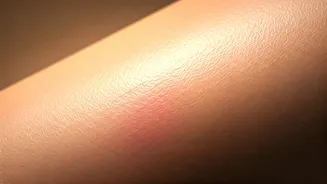
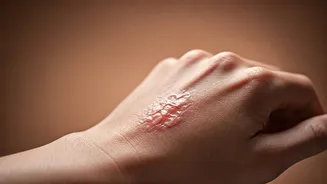
It’s easy to get carried away, but your skin will send clear signals when it's had enough. One of the most common signs of over-exfoliation is increased sensitivity; products that never bothered you before might suddenly cause stinging or burning. Your skin might also feel constantly tight, dry, or itchy, even after applying moisturiser. Other tell-tale signs include persistent redness, flaky patches, and a waxy or overly shiny appearance. Ironically, stripping your skin can also trigger an overproduction of oil as it tries to compensate, leading to more breakouts—the very thing you might be trying to prevent.
Chemical vs. Physical: A Gentler Approach
Exfoliation methods fall into two main categories: physical and chemical. Physical exfoliants, like scrubs with grains or brushes, manually remove dead skin cells. While they offer immediate results, they carry a higher risk of creating micro-tears and causing irritation, especially if used too aggressively. Chemical exfoliants use acids (like AHAs and BHAs) or enzymes to dissolve the bonds holding dead cells together. Most dermatologists now prefer chemical exfoliants because they provide more uniform results and are often gentler, particularly for sensitive or acne-prone skin. AHAs like glycolic and lactic acid are great for surface texture, while oil-soluble BHAs like salicylic acid are excellent for getting into pores.
Finding Your Exfoliation Sweet Spot
There is no one-size-fits-all answer for how often to exfoliate; it depends entirely on your skin type and the product you're using. For those with oily and resilient skin, exfoliating two to three times a week is often sufficient. People with normal or combination skin might find that twice a week is perfect. However, for dry, sensitive, or mature skin, it's best to be cautious, starting with just once a week or even less. The key is to start slow and observe how your skin responds. If you notice any signs of irritation, it's a clear signal to scale back.
How to Heal a Damaged Skin Barrier
If you suspect you've gone too far, the first step is to stop all exfoliation immediately. This includes pausing other potent active ingredients like retinoids and high-strength vitamin C. Simplify your routine down to the absolute basics: a gentle, non-foaming cleanser, a barrier-repairing moisturiser, and daily sunscreen. Look for moisturisers with ingredients like ceramides, hyaluronic acid, niacinamide, and panthenol, which help replenish hydration and rebuild the skin's lipid layer. Be patient; it can take anywhere from a few days to several weeks for your skin barrier to fully recover, depending on the extent of the damage. Once your skin feels calm and comfortable again, you can slowly reintroduce exfoliation, starting with a gentle formula just once a week.