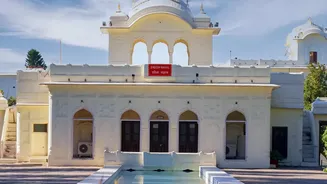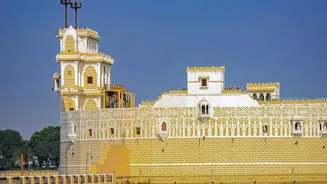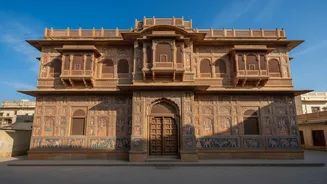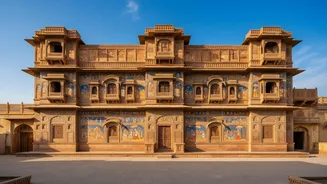



The World's Largest Open-Air Gallery
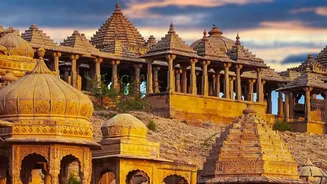
Shekhawati, encompassing towns like Mandawa, Nawalgarh, and Fatehpur, is often called the world's largest open-air art gallery. This isn't an exaggeration. The region flourished between the 18th and early 20th centuries as a hub for wealthy Marwari merchants.
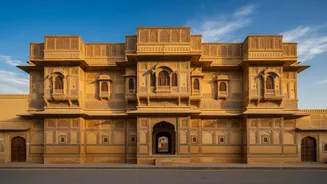
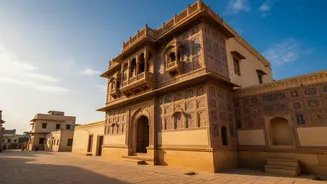
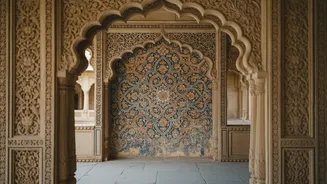
As they amassed fortunes from trade routes linking to major port cities, they funnelled wealth back to their homeland, building magnificent havelis (mansions). But they didn't just build; they decorated. Every surface—facades, courtyards, archways, and interiors—became a canvas, turning the entire region into a sprawling museum without walls.
A Visual Diary on Plaster
The art form that defines Shekhawati is the fresco, where pigments are painted onto wet lime plaster, allowing the colours to become a permanent part of the wall. These artworks are a vibrant chronicle of the era. The themes are incredibly diverse. You’ll find intricate depictions from Hindu mythology, with scenes from the Ramayana and the life of Krishna being especially popular. Alongside these are illustrations of local folklore, royal processions, and scenes from everyday life. What makes them fascinating is the documentation of a changing world. The artists, known as 'Chiteras', also painted the marvels of modernity as described by the globetrotting merchants: steam trains, gramophones, early automobiles, and portraits of British colonists, creating a unique blend of tradition and new-world curiosity.
The Quiet Allure of the Off-Season
While the peak tourist season from October to March offers pleasant weather, it also brings crowds. The off-season, particularly the monsoon months of July through September, offers a completely different, and arguably more profound, experience. The summer heat gives way to cooler, rain-washed landscapes. The crowds vanish, leaving the lanes of Mandawa and Nawalgarh quiet. This is where the 'intimate encounter' truly happens. Instead of jostling with other visitors, you can stand alone in a haveli courtyard, tracing the stories on the walls in silence. The caretakers are often more relaxed and willing to share stories. The monsoon adds its own magic, with clouds casting a dramatic light and the scent of rain on dry earth replacing the desert dust.
Restoration and a Living Heritage
Many of these havelis were abandoned as families migrated permanently to cities like Kolkata and Mumbai, leaving the magnificent structures to decay. However, a growing awareness of this unique heritage has spurred restoration efforts. Some of the most stunning havelis have been meticulously restored by their owners, conservationists, and even foreign artists. Many have been converted into beautiful heritage hotels, allowing visitors to actually live within the art. Staying in a restored haveli like the Mandawa Haveli or exploring the Podar Haveli Museum in Nawalgarh offers a direct connection to this legacy. These efforts not only preserve the art but also provide sustainable livelihoods and keep the region’s cultural identity alive.
Planning Your Intimate Encounter
Visiting Shekhawati during the off-season requires a bit of planning but is deeply rewarding. The region is accessible by road from Delhi and Jaipur. While some havelis are museums open to the public for a small fee, many are still private residences. Always ask for permission before entering. Hiring a local guide is highly recommended; they can unlock the stories behind the frescoes and lead you to hidden gems that you might otherwise miss. An off-season visit is not just a trip but a slow, immersive journey into a painted world, offering a chance to connect with art and history on a deeply personal level, far from the madding crowd.