



Create an ‘Eat Me First’ Zone
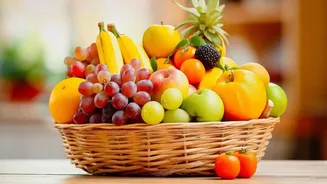
The simplest and most direct way to tackle forgotten food is to make it impossible to ignore. Designate a specific, highly visible spot in your kitchen for produce that is perfectly ripe and needs to be eaten soon. This could be a particular bowl on your counter,
a dedicated shelf in your fridge at eye-level, or a clear container that you see every time you open the door. The principle is “out of sight, out of mind,” so reverse it. By putting ripe bananas, soft peaches, or ready-to-eat avocados in a prime location, you create a visual cue for your household. This simple organisational hack interrupts the path to spoilage and prompts you to grab that ripe fruit for a snack or incorporate those vegetables into dinner before they turn.
Know When to Refrigerate
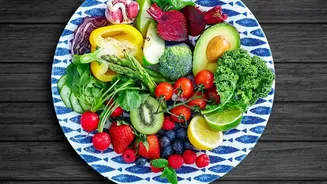
Not all produce is created equal, and room temperature isn't always the best solution. Many fruits ripen on the counter but should be moved to the refrigerator to prolong their life once they're ready to eat. Fruits like avocados, pears, peaches, and melons will continue to ripen at room temperature. Once they are perfectly ripe, moving them to the cool environment of the fridge dramatically slows down the ripening process, giving you several extra days to enjoy them. On the other hand, items like berries, grapes, and leafy greens should go straight into the fridge to maintain their freshness. However, a key tip for berries is to wash them just before eating, as excess moisture can encourage mould.
Understand the Ripening Gas
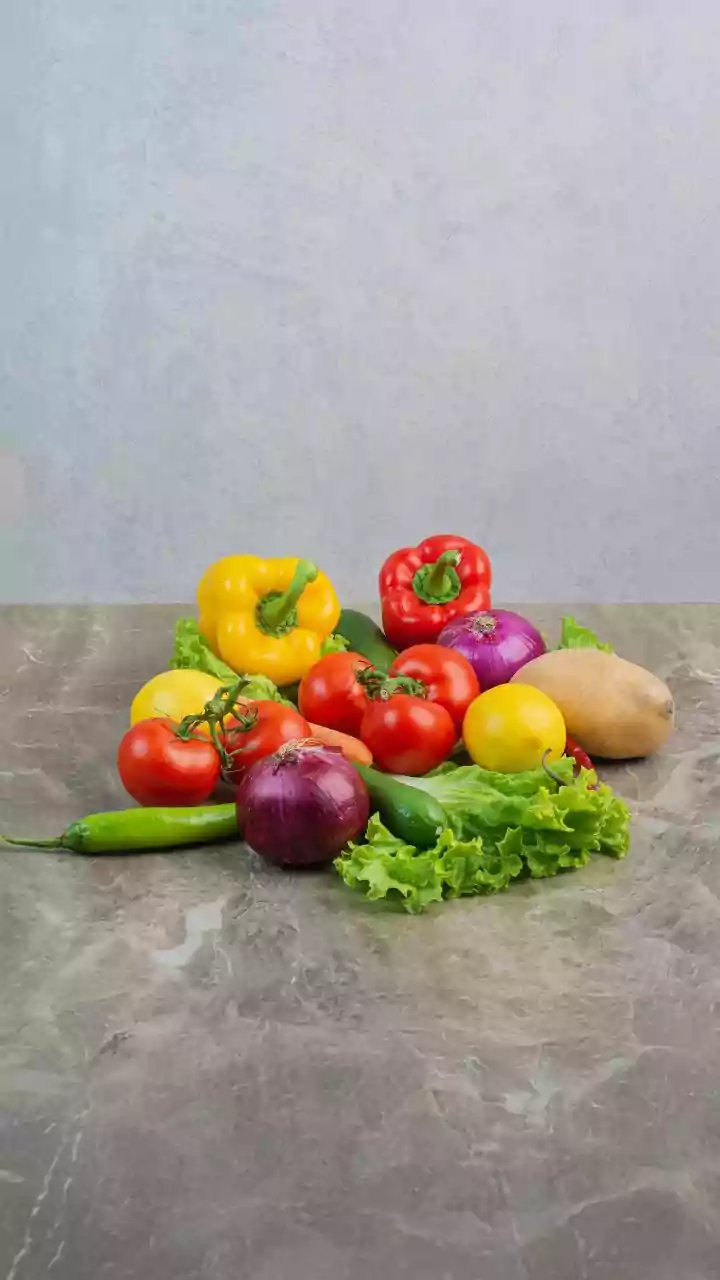
Have you ever heard that one bad apple can spoil the whole bunch? There's real science behind that, and it’s a gas called ethylene. Ethylene is a natural plant hormone that some fruits produce in large quantities as they ripen, and it can cause other, more sensitive produce to spoil faster. High-ethylene producers include apples, ripe bananas, avocados, and tomatoes. Ethylene-sensitive items include leafy greens, cucumbers, broccoli, carrots, and potatoes. To prevent premature spoilage, store your high-ethylene fruits separately from your sensitive vegetables. This is why your refrigerator often has separate crisper drawers; they help segregate produce to manage humidity and ethylene exposure. Don't store your potatoes and onions together, for example, as the gases from the onions can cause the potatoes to sprout.
Proper Storage for Longevity
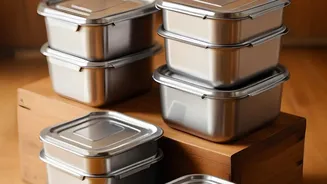
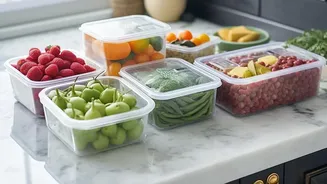
Beyond just where you put your produce, how you store it matters. Leafy greens like spinach and lettuce stay crisper when stored in a breathable bag or wrapped in a slightly damp paper towel inside the crisper drawer to maintain humidity. Similarly, fresh herbs like cilantro and parsley can be treated like flowers: place them upright in a glass with a bit of water, cover them loosely with a bag, and keep them in the fridge. For produce like carrots or celery, wrapping them can help retain moisture and crunch. Using clear containers for cut-up veggies or leftovers in the fridge not only keeps them organised but also ensures they remain visible, reminding you to use them up.
Give Overripe Items a New Purpose
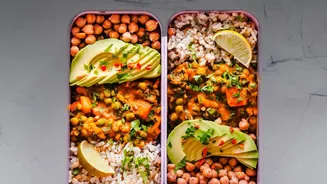
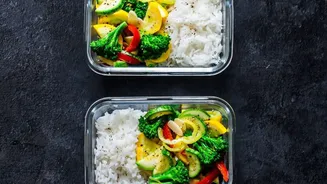
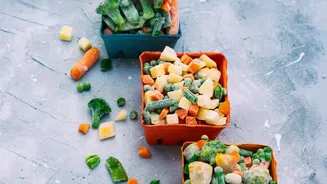
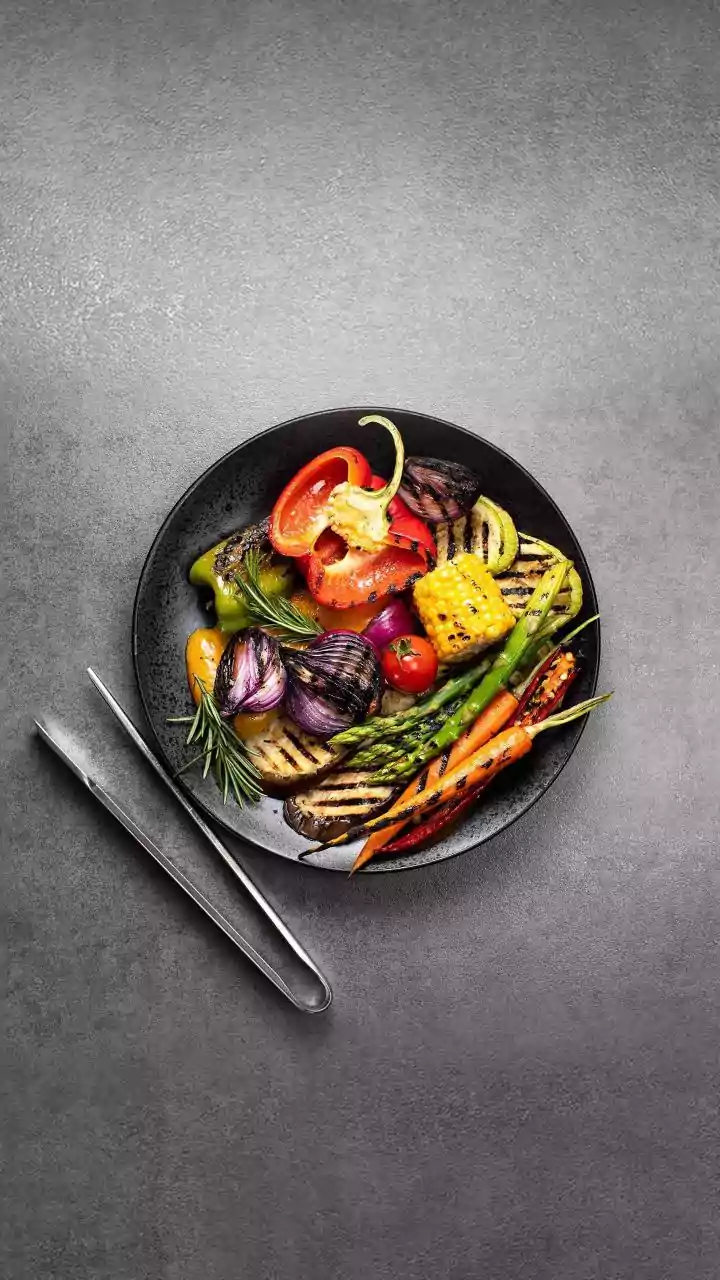
Even with the best storage strategies, sometimes produce gets a little too soft or bruised for fresh eating. This is not a failure; it's an opportunity. Overripe fruits are often sweeter and perfect for other uses. Those spotty bananas are ideal for making banana bread or muffins. Soft peaches or berries can be simmered into a quick jam, blended into smoothies, or used as a topping for yogurt or ice cream. On the savoury side, vegetables that have lost their crispness, like carrots, celery, and peppers, are perfect for simmering into soups, stocks, or flavourful pasta sauces. Blending soft veggies can create a base for a creamy soup or a healthy salad dressing. Freezing is another excellent option; chopped, overripe fruit can be frozen for future smoothies, and vegetable scraps can be collected in a bag in the freezer to make a rich homemade stock later on.