

The Enduring Reign of Iced Coffee
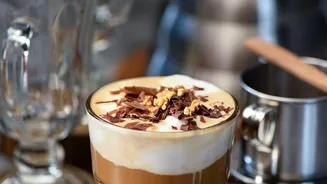
For years, the go-to cold beverage for urban Indians has been a tall glass of iced coffee. Whether it's the rich, frothy, and sweet 'cold coffee' that’s a hybrid of a latte and a frappuccino, or the more recent wave of artisanal cold brews, coffee culture
is deeply embedded in city life. Cafés have become our second offices and third places, hubs for work, meetings, and creative pursuits, all powered by caffeine. The classic metro iced coffee is more than just a drink; it's a ritual, a familiar comfort, and a symbol of a fast-paced, ambitious lifestyle. It delivers a quick, strong jolt of energy, a flavour profile that is bold, and often, satisfyingly sweet.
The Emerald Upstart: What is a Green Latte?
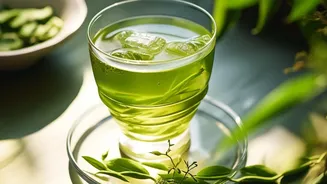
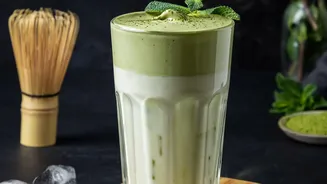
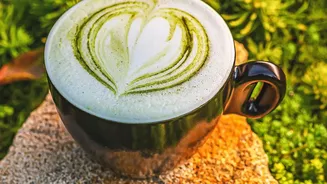
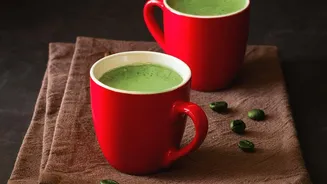
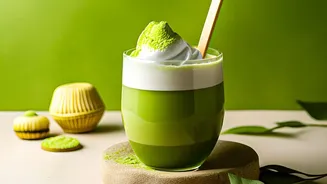
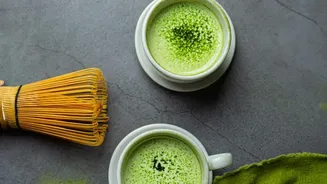
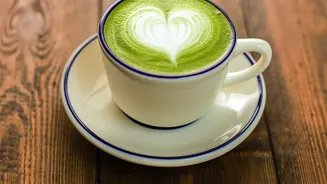
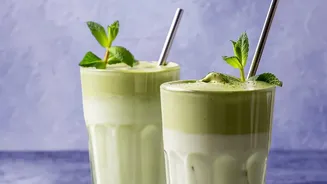
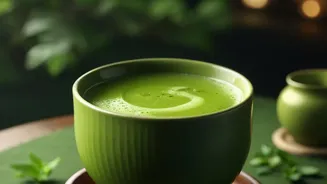
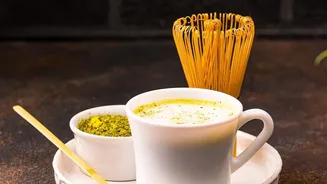
The green latte, most commonly made with matcha, is a finely ground powder of specially grown and processed green tea leaves from Japan. Unlike a regular tea that is steeped, with matcha, you consume the entire leaf, which is whisked into a paste and then combined with steamed or cold milk, often a plant-based option like oat or almond milk. This method delivers a concentrated dose of nutrients and a unique flavour. While matcha is the star, the 'green latte' category also includes drinks made from other superfood powders like moringa or spirulina, all promising a wellness-focused experience. Its vibrant colour and the perception of it being a healthier choice have made it an Instagram sensation and a menu staple in third-wave coffee shops.
The Health Showdown: Jitters vs. Calm Focus
Here's where the 'healthy competition' gets real. A typical iced coffee contains more caffeine (around 90-120 mg) than a matcha latte (around 60-80 mg). Coffee's caffeine hits fast and hard, which can sometimes lead to anxiety, jitters, and the dreaded afternoon crash. Matcha, on the other hand, contains an amino acid called L-theanine. This unique compound works with caffeine to create a state of 'calm alertness', providing sustained energy for several hours without the spikes and dips associated with coffee. Matcha is also packed with antioxidants, particularly EGCG, which is studied for its anti-inflammatory and metabolism-boosting properties. While coffee has its own beneficial antioxidants, matcha's nutritional profile is often considered more robust because you ingest the whole leaf.
A Clash of Flavours and Palates
No one would mistake the taste of matcha for coffee. Classic iced coffee is often characterized by its bold, roasted, and sometimes bitter notes, which are usually balanced with milk and sugar. Artisanal cold brews offer more complex profiles, but the core flavour is distinctly 'coffee'. Matcha has a completely different profile: it's earthy, grassy, and has a subtle, savoury 'umami' quality. For those accustomed to the sweetness of traditional Indian beverages, the taste can be an adjustment. However, when prepared as a latte with milk and a touch of sweetener, it becomes a creamy, smooth, and complex drink that is winning over a new generation of Indian consumers who are increasingly open to global flavours.
The Culture, The Cost, and The Choice
The rise of the green latte is about more than just health; it's a cultural statement. It aligns with a global wellness movement and a desire for new, aesthetically pleasing experiences. This premium positioning is often reflected in the price; a matcha latte typically costs more than a standard iced coffee in most cafes. In cities like Bangalore, Mumbai, and Delhi, the market for matcha is growing at a rapid pace, nearly double that of the broader tea market, driven by health-conscious millennials and Gen Z. The choice is no longer just between a cappuccino and a latte. It's now between the familiar, powerful kick of coffee and the smooth, mindful energy of matcha.